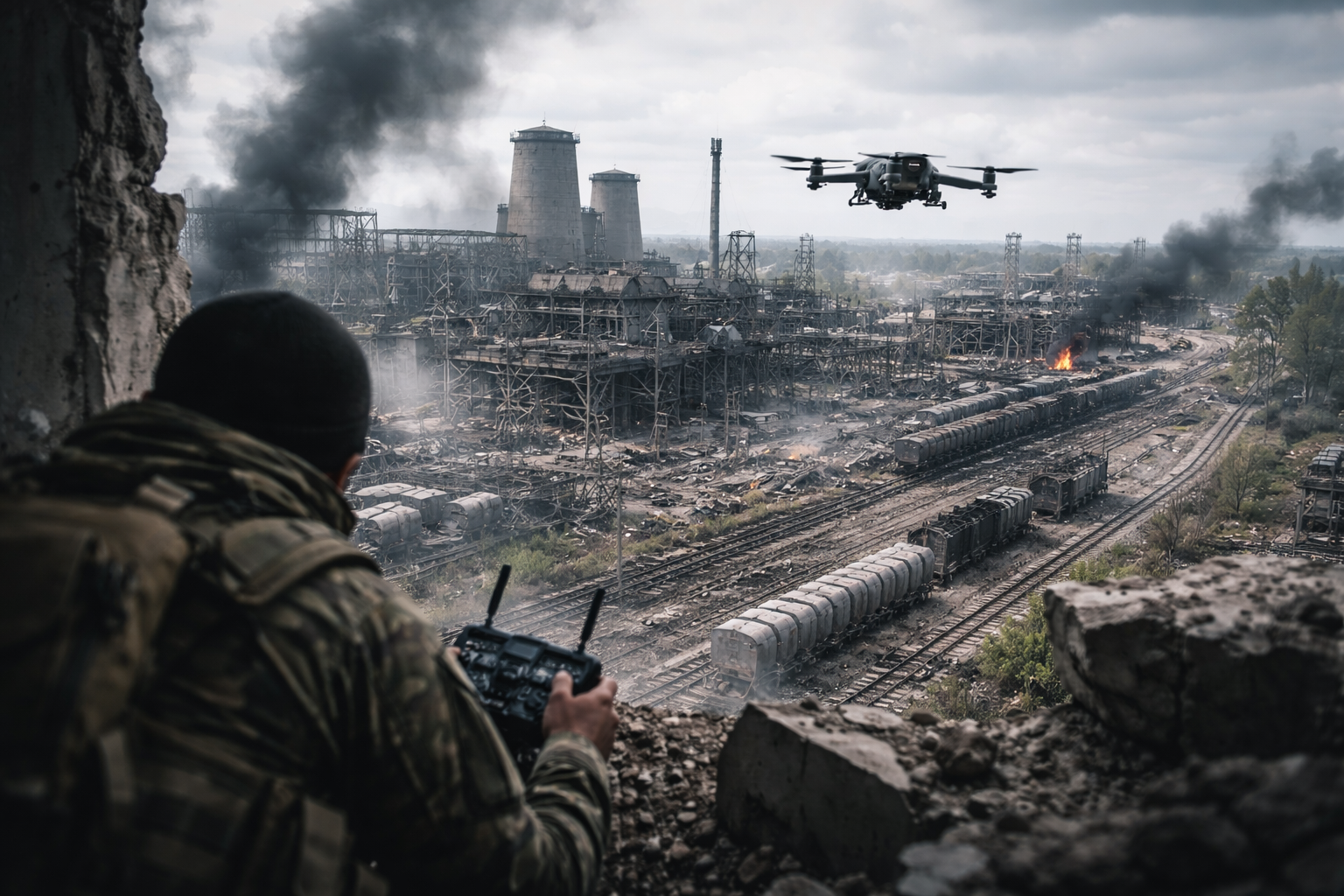
In recent months, guerrilla warfare has shaped conflicts worldwide, highlighting its adaptability and resilience amid shifting political and military landscapes. From peace negotiations to the evolution of tactics on the battlefield, here are the most significant developments related to guerrilla warfare worldwide.
Since this article was first published in January 2025, each of these conflicts has seen major developments:
- Colombia: The Catatumbo crisis erupted in January 2025 when the ELN launched a coordinated offensive against FARC dissidents, killing over 100 people and displacing an estimated 78,000 civilians. Peace talks were suspended. In February 2026, the ELN declared a unilateral ceasefire ahead of Colombia’s March congressional elections.
- Myanmar: Resistance forces made territorial gains following Operation 1027 but the junta reversed some losses in 2025 through escalated airstrikes — up 30% over 2024. The NUG has established 356 PDF battalions across 235 townships. Over 13,700 conflict-related deaths were recorded in 2025.
- Hezbollah: Following the November 2024 ceasefire with Israel, the group has continued to regroup. The conflict caused massive destruction in southern Lebanon and Beirut, with Hezbollah’s military infrastructure significantly degraded.
The original analysis below provides essential context for understanding these ongoing conflicts.
Colombia: A Mixed Path of Negotiation and Renewed Violence
Colombia remains a focal point for discussions on guerrilla warfare, with the government pursuing peace talks alongside facing renewed hostilities.
- Peace Negotiations with Segunda Marquetalia: In June 2024, Colombia began peace talks with Segunda Marquetalia, a dissident FARC faction. This group, led by Luciano Marín (alias Iván Márquez), had rearmed in 2019 after initially demobilizing under the 2016 peace agreement. FARC originated in 1964 as a Marxist-Leninist guerrilla group fighting for land reform and social justice in Colombia. The negotiations aim to create a framework for sustainable peace, with disarmament being a key condition for progress. These talks are seen as a pivotal moment in President Gustavo Petro’s ambitious “Total Peace” strategy. For further reading, consider “Guerrillas and Revolution in Latin America” by Timothy P. Wickham-Crowley.
- ELN’s Renewed Hostilities: Meanwhile, the National Liberation Army (ELN), Colombia’s oldest guerrilla force, resumed attacks in September 2024 following the expiration of a ceasefire. Founded in 1964 with inspiration from the Cuban Revolution, the ELN has historically targeted infrastructure and the oil industry. The ELN’s recent actions, including targeting the oil industry and government forces, escalate violence and pose a significant challenge to the government’s peace initiatives. These developments highlight the persistent complexities of Colombia’s armed conflict, even as efforts for resolution continue.
Myanmar: Guerrilla Tactics Meet Conventional Warfare
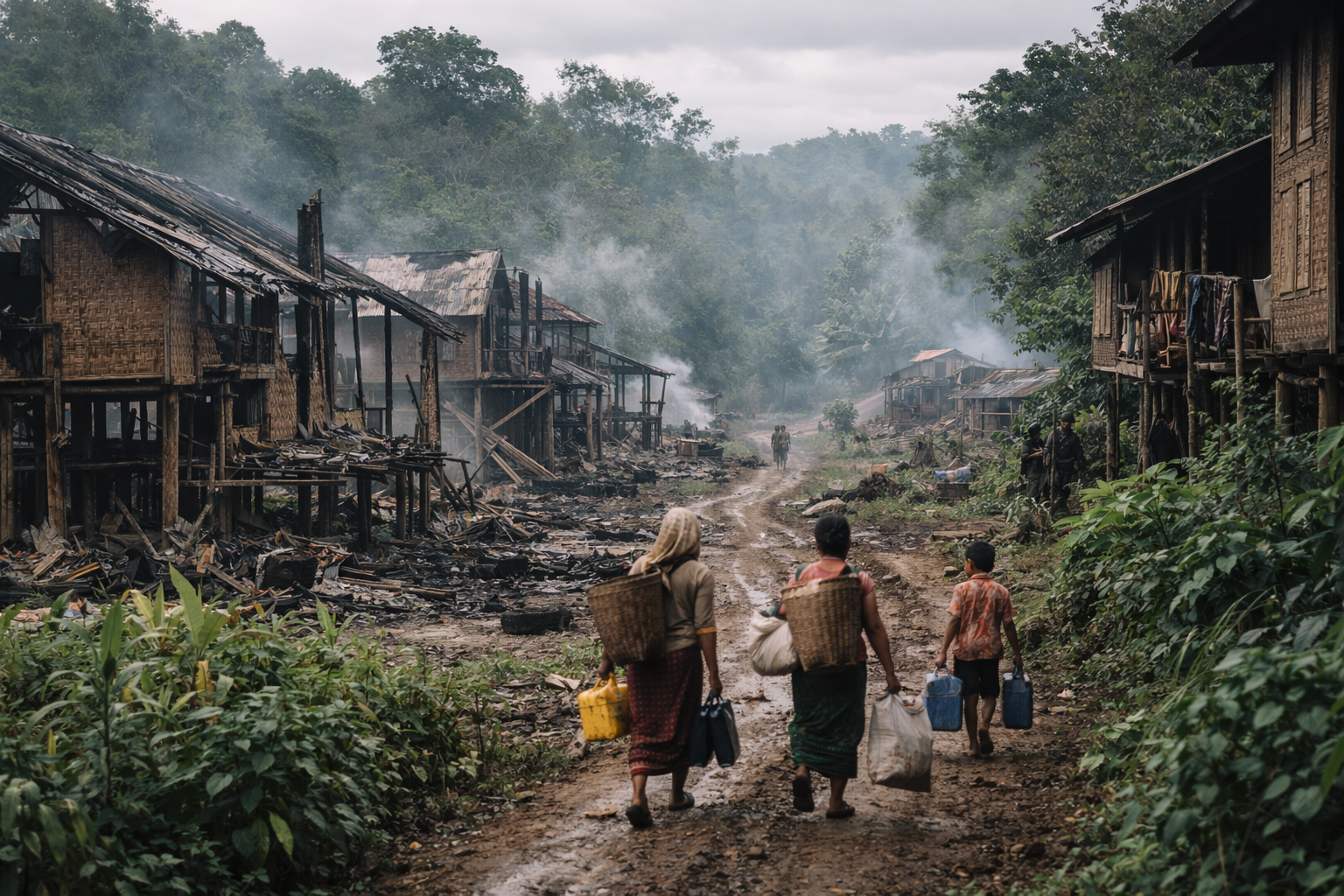
Myanmar’s internal conflict has evolved dramatically, with ethnic armed organizations and resistance forces, such as the People’s Defence Forces (PDFs), adapting to new forms of warfare. Traditionally reliant on guerrilla strategies rooted in revolutionary doctrine, these groups have begun incorporating elements of conventional warfare.
- Increased Use of Heavy Firepower: Recent reports indicate a growing reliance on drones, artillery, and coordinated urban occupations, signaling a shift in the conflict’s dynamics. Since its inception in 2021 following the military coup, the PDFs have transitioned from small-scale guerrilla tactics to a hybrid model combining traditional insurgency with larger coordinated offensives. This convergence of guerrilla and conventional tactics underscores the resilience and adaptability of resistance forces in Myanmar as they contend with the country’s military junta. For additional context, explore “The Art of Not Being Governed: An Anarchist History of Upland Southeast Asia” by James C. Scott.
Lebanon: Hezbollah’s Tactical Reassessment
Hezbollah, one of the most prominent guerrilla organizations in the Middle East, is undergoing a significant transformation following substantial losses, including the assassination of its leader, Hassan Nasrallah, in October 2024.
- Return to Traditional Tactics: Founded in the early 1980s during the Lebanese Civil War, Hezbollah originally gained prominence through asymmetric guerrilla tactics against Israeli forces in southern Lebanon. Analysts predict that Hezbollah will revert to its roots in guerrilla warfare, relying on smaller, autonomous cell operations. These tactics, reminiscent of the group’s strategies during the 1980s and 1990s, will likely emphasize ambushes and localized attacks. This tactical shift reflects the group’s attempt to recalibrate after heightened engagement and heavy losses. To delve deeper, consider reading “Hezbollah: The Global Footprint of Lebanon’s Party of God” by Matthew Levitt.
Affiliate Disclosure
As an Amazon Associate and affiliate partner, The Resistance Hub earns from qualifying purchases at no extra cost to you.
Conclusion
The global landscape of guerrilla warfare remains dynamic, with groups adapting to evolving challenges through negotiation, innovation, and tactical reassessment. From Colombia’s peace initiatives to Myanmar’s hybrid warfare and Hezbollah’s strategic recalibration, these developments illustrate the enduring relevance of guerrilla tactics in contemporary conflicts. As governments and armed groups navigate these complexities, the trajectory of these conflicts will likely continue to influence regional and global stability.
Understanding these shifts is crucial for policymakers, analysts, and observers to address conflict’s root causes and foster sustainable peace. Guerrilla warfare, with its ability to adapt and endure, remains a critical aspect of the modern battlefield. For deeper analysis on the theoretical foundations of guerrilla warfare, explore our profiles of Mao Zedong and Che Guevara, or browse the Essential Books on Resistance.
Sources
- Colombian peace talks with Segunda Marquetalia — The Defense Post
- ELN’s renewed attacks in Colombia — Yahoo News
- Myanmar’s evolving warfare dynamics — Myanmar Now
- Hezbollah’s tactical shift — France 24
