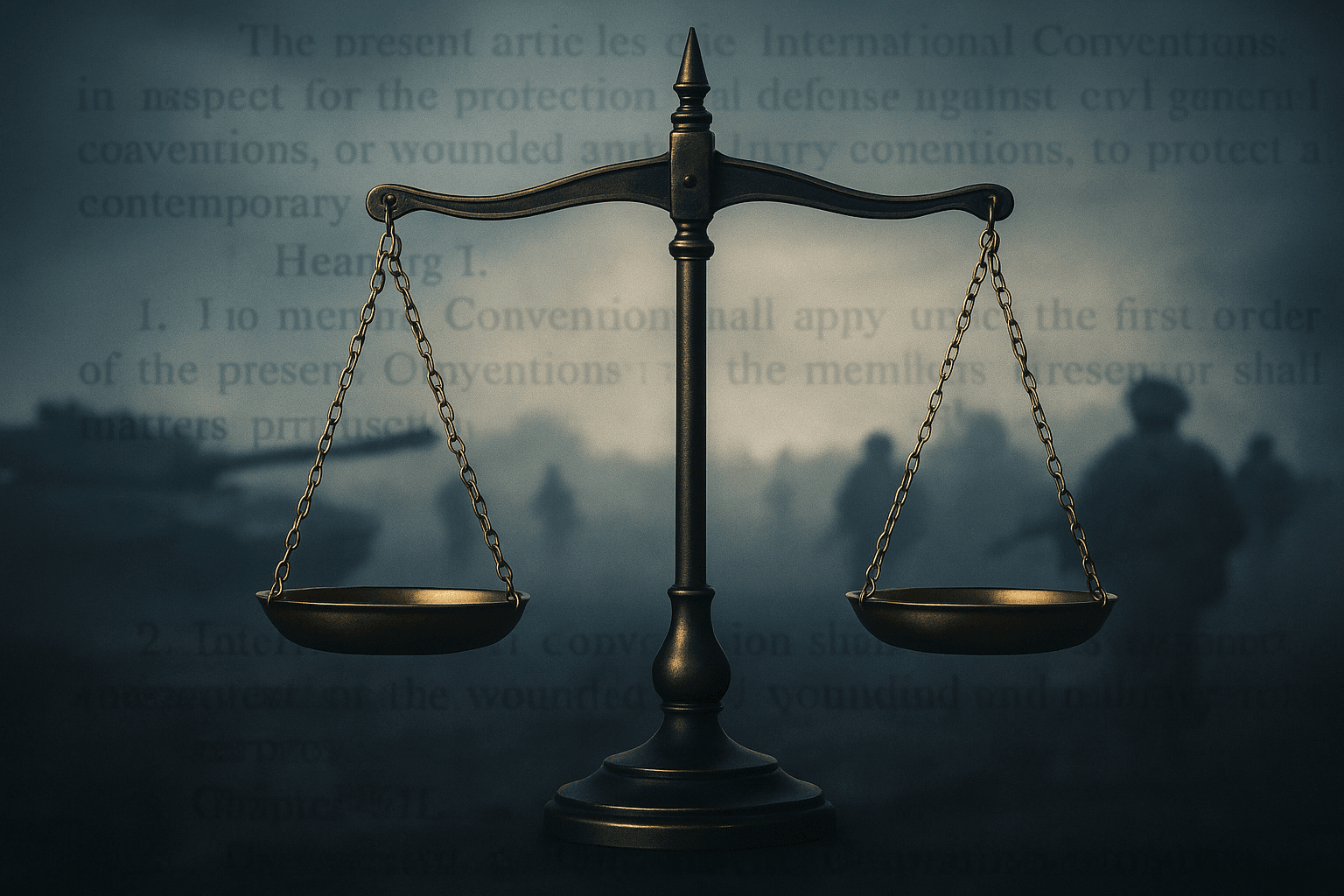
International Humanitarian Law (IHL), commonly referred to as the law of armed conflict, establishes the rules that balance military necessity with humanitarian protection. These legal frameworks bind both state and non-state actors, including resistance movements and irregular combatants. Yet, the application of IHL in modern conflicts is increasingly complex, particularly when addressing proportionality, targeting, and legal accountability in environments where combatants and civilians often intermingle.
This article examines the legal status of resistance fighters, the operational and ethical challenges of applying IHL in irregular warfare, and the evolving mechanisms for international accountability. Drawing on historical precedents and current conflicts, including documented violations during Russia’s invasion of Ukraine, it explores the legal and ethical dilemmas that define modern armed resistance.
Since this article was originally published, the Geneva Academy has judged international humanitarian law to be at a “critical breaking point” in its February 2026 War Watch report, which analyzed 23 active armed conflicts and found systematic violations against civilians across Gaza, Sudan, Ukraine, and Myanmar. The report stops short of describing the threat to IHL as existential.
The ICC has faced unprecedented political pressure: the Trump administration imposed multiple rounds of sanctions on ICC judges and staff in 2025 to 2026 for investigating U.S. and Israeli nationals. Despite this, ICC Pre-Trial Chamber I confirmed all charges in the Duterte case in April 2026 and committed the former Philippine president to trial, which is scheduled to open on 30 November 2026. Rodrigo Duterte is the first former head of state from Asia to be surrendered to the court. The judges also rejected Israel’s legal challenge to the Gaza investigation.
Armed drone use by non-state actors has expanded rapidly, with groups including JNIM in the Sahel, Islamic State in Somalia, and the Arakan Army in Myanmar now deploying them. That expansion raises urgent questions about attribution, accountability, and the principle of distinction.
The Global Initiative to Galvanize Political Commitment to International Humanitarian Law, launched on 27 September 2024 and co-led by Brazil, China, France, Jordan, Kazakhstan and South Africa with the ICRC, continues to recruit state backing. Its High-Level Conference on Humanity in War is to be held in Jordan in 2026.
These developments are reflected in updated sections throughout this article. For TRH’s broader coverage of legal frameworks in resistance, see Know the Law →
Also on Apple Podcasts and Amazon Music.
This article is intended for informational and educational purposes only and does not constitute legal advice. It should not be used as a substitute for consultation with qualified legal professionals regarding specific situations or legal obligations. The views expressed in this article are based on general principles and publicly available information and do not represent the official position of any organization or entity. Readers are encouraged to seek professional legal counsel for advice tailored to their circumstances.
Defining Key Terms and Principles in Armed Conflict
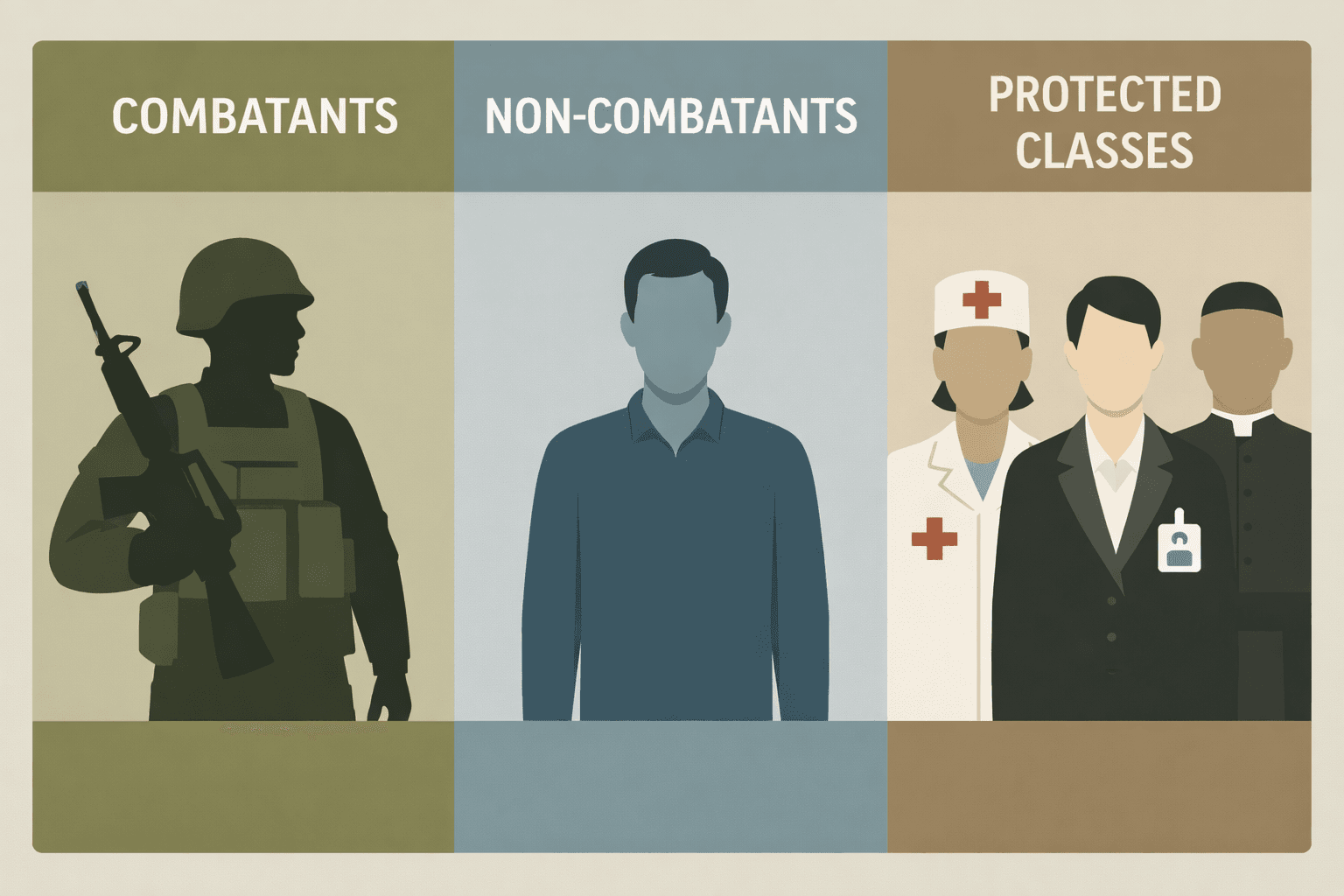
Combatants, Non-Combatants, and Protected Classes
Under International Humanitarian Law (IHL), also known as the law of armed conflict, individuals involved in warfare fall into clearly defined legal categories. These distinctions are critical for determining rights, protections, and lawful conduct during hostilities.
| Category | Definition | IHL Protections | Key Risk |
|---|---|---|---|
| Lawful Combatant | Member of state or recognized non-state armed forces who carries arms openly, operates under responsible command, and distinguishes self from civilians | POW status upon capture; immunity from prosecution for lawful acts of war | Lawful target during hostilities |
| Unlawful Combatant | Fighter who participates in hostilities without meeting Geneva Convention criteria (e.g., no insignia, no chain of command). Not a term of art in the Geneva Conventions; the label originates in United States practice | No POW status; still protected by Common Article 3 minimum guarantees | Subject to domestic criminal prosecution for acts of war |
| Civilian | Any person not a member of the armed forces and not directly participating in hostilities | Cannot be deliberately targeted; protected under Geneva Convention IV | Loses protection if directly participating in hostilities |
| Protected Persons | Medical personnel, humanitarian workers, religious officials, journalists | Special protection; deliberate attacks constitute grave breaches of IHL | Attacks prosecutable as war crimes before international tribunals |
| Foreign Fighter | External volunteer who joins a party to the conflict; may or may not be integrated into regular forces | Depends on integration status: if part of armed forces, same as lawful combatant; if independent, may be classified as mercenary | Mercenary classification removes all combatant protections |
Legitimate Military Targets and Dual-Use Infrastructure
Under Article 52 of Additional Protocol I to the Geneva Conventions, a military objective is any object that contributes effectively to military action. Destroying, neutralizing, or capturing it must offer a definite military advantage. These rules are central to IHL, which governs how and when targets may be attacked. Military objectives often include weapons stockpiles, communication and command centers, and military transport infrastructure, all of which directly support combat operations. These objects are lawful targets because their destruction can reduce the enemy’s ability to fight.
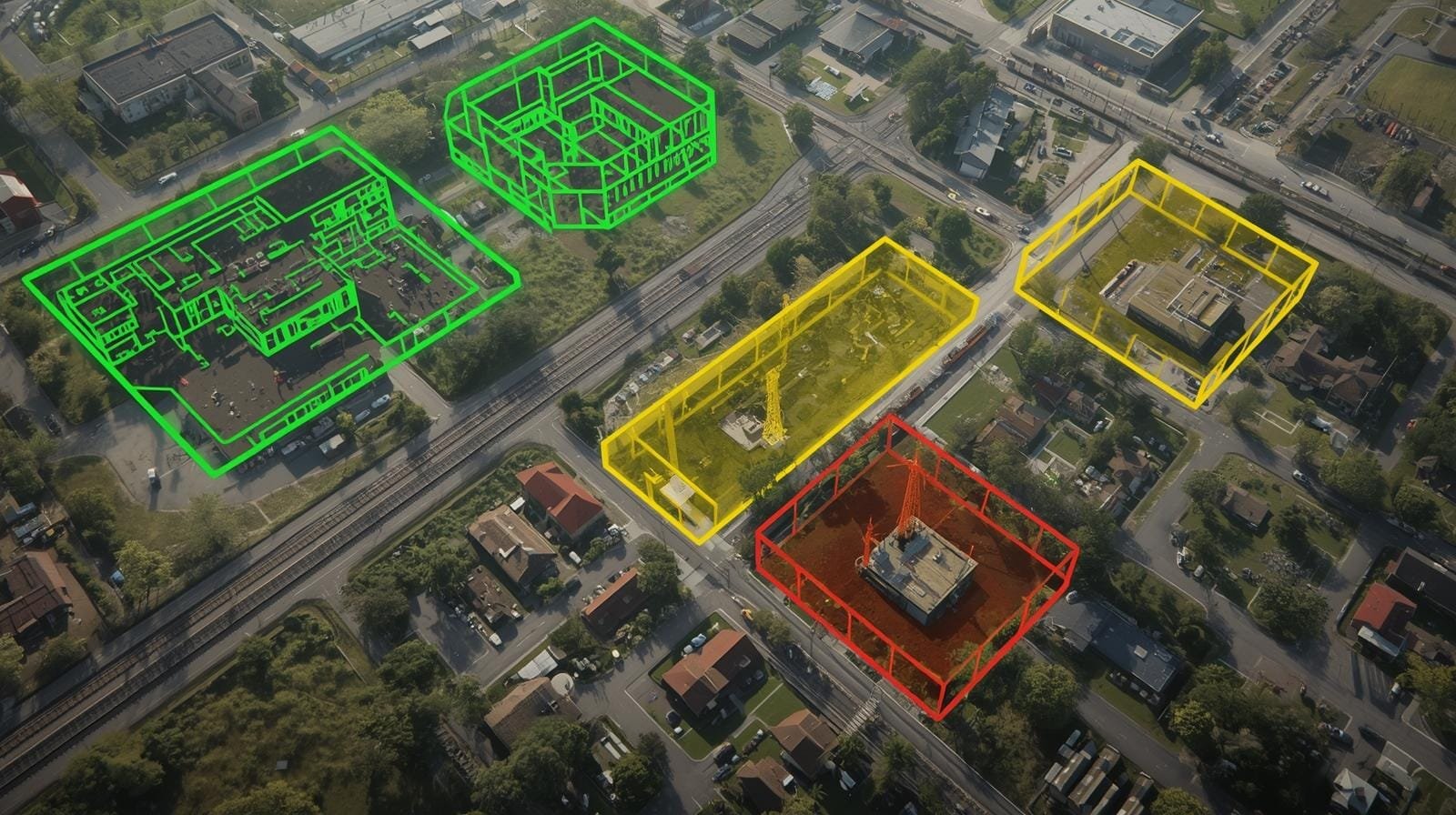
Civilian objects such as schools, hospitals, and residential homes are protected under IHL. They lose this protection only if they are being used for military purposes. Even then, any attack must meet the proportionality test to minimize civilian harm. Dual-use infrastructure presents one of the most difficult targeting decisions in modern warfare: bridges and roads used for both civilian and military transport, telecommunication networks serving command-and-control functions, and energy facilities essential to both civilian life and military capability. Under IHL, these may only be attacked when the military advantage clearly outweighs expected civilian harm. Some infrastructure, including water treatment plants, hospitals, and religious and cultural sites, receives special protection under IHL and can only be targeted under the narrowest exceptions. Attacks on these sites can lead to humanitarian crises and prosecution for war crimes. For a deeper look at how critical infrastructure becomes a target in irregular conflicts, see TRH’s analysis of infrastructure defense.
Legal Status of Resistance Fighters and Irregular Combatants
The legal position of resistance fighters under IHL depends on their conduct during armed conflict. Resistance movements often operate under irregular conditions, but certain rules must still be followed for their members to be recognized as lawful combatants. These rules determine whether fighters receive protections such as prisoner-of-war (POW) status or face prosecution under domestic law.
Resistance Movements Under International Law
Resistance movements, often composed of irregular combatants, may not have formal uniforms or clear chains of command. However, under the Geneva Conventions, non-state armed groups can still qualify for lawful combatant status under Geneva Convention III, Article 4A(2), which sets four conditions: they must be commanded by a person responsible for subordinates, wear a fixed distinctive sign recognizable at a distance, carry arms openly, and conduct their operations in accordance with the laws and customs of war. Meeting these criteria is essential. Failure to do so can result in being classified as an unlawful combatant, which removes POW protections and exposes fighters to domestic criminal prosecution. This is especially risky for forces operating in occupied territories or conducting asymmetric warfare against a militarily superior opponent.
Fighters in Civilian Attire and the Principle of Distinction
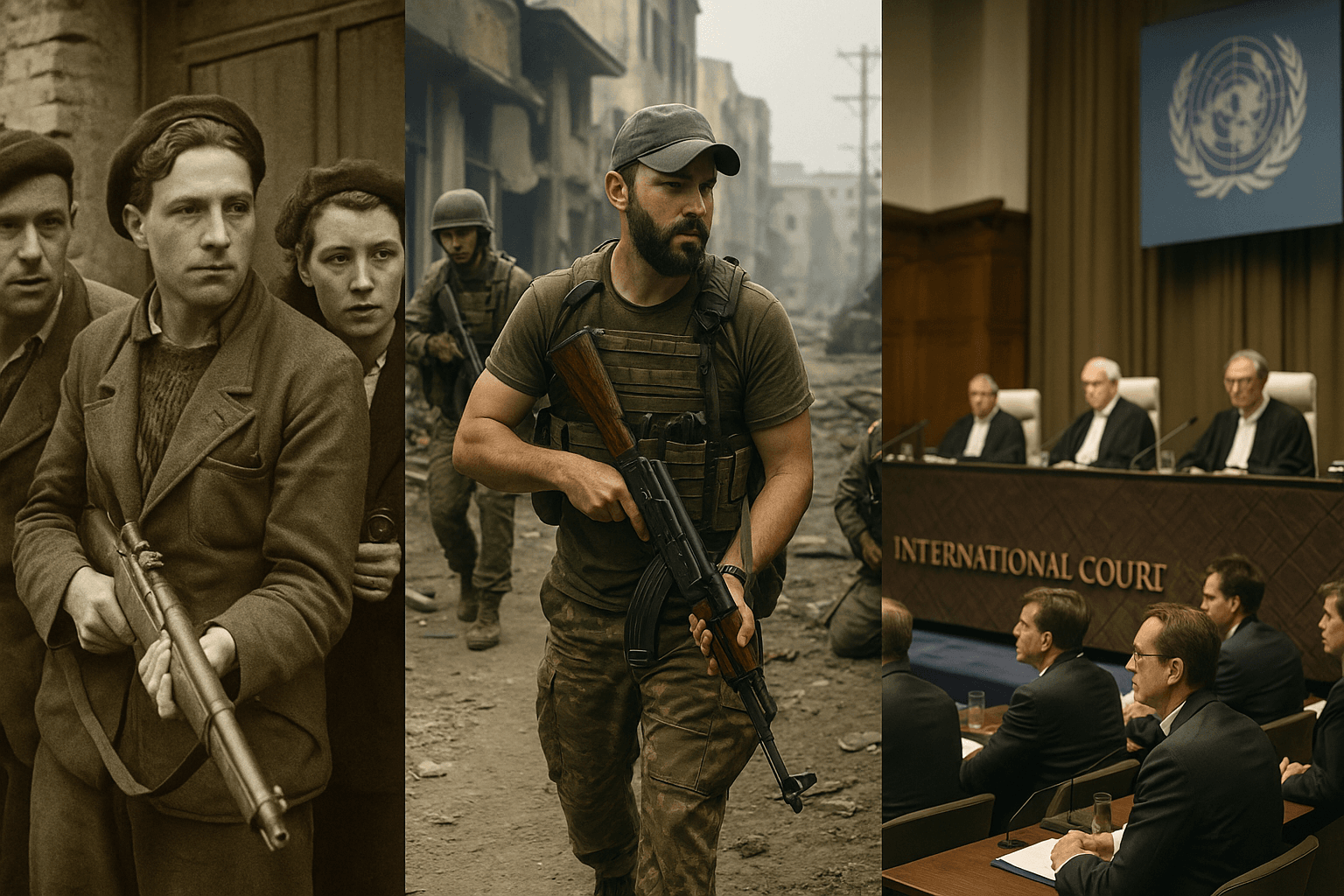
International law allows irregular fighters to wear civilian clothing in certain circumstances, particularly when operating in occupied areas. However, during attacks, they must distinguish themselves from civilians to protect the non-combatant population. During World War II, members of the French Resistance faced severe reprisals when they did not clearly separate themselves from the civilian population. Groups that never took up arms at all, such as the White Rose circle in Munich, were tried under domestic criminal law rather than the law of armed conflict. Partisan fighters in Eastern Europe encountered similar problems, balancing operational secrecy with the legal requirement to maintain distinction. This legal obligation remains relevant in modern conflicts. Irregular forces must weigh the tactical advantage of blending in against the legal consequences and humanitarian risks of doing so.
Human Rights, Proportionality, and Civilian Harm in Modern Conflict
The principle of proportionality is a cornerstone of IHL. It prohibits attacks where the expected harm to civilians would be excessive compared to the anticipated military advantage. Commanders must carefully balance operational objectives with humanitarian obligations, requiring continuous assessment of both the target’s military value and the potential for civilian casualties. Precautionary measures such as issuing advance warnings when feasible are encouraged to reduce harm. Maintaining this balance is not only a legal requirement under the Geneva Conventions but also a practical necessity: excessive civilian harm can undermine the legitimacy of military operations and erode international support.
Modern conflicts, especially in urban warfare environments, often blur the line between combatants and civilians. Armed groups may position civilians near military assets as human shields, complicating lawful targeting decisions. Dual-use facilities force commanders into difficult proportionality assessments. Prolonged sieges restrict access to food, water, and medical care, raising humanitarian concerns that may breach IHL if civilian suffering is excessive. Addressing these challenges demands not only strict legal compliance but also operational innovation.
Legal Mechanisms for Accountability in Warfare
IHL establishes legal frameworks for prosecuting serious violations such as war crimes, crimes against humanity, and genocide. Institutions like the International Criminal Court (ICC) and ad hoc tribunals handle these cases. While these mechanisms are effective for certain conflicts, prosecuting irregular combatants presents unique challenges including jurisdictional limits, lack of cooperation from states, and difficulties in collecting admissible evidence from active conflict zones.
Russia’s 2022 invasion of Ukraine has triggered multiple international investigations into potential breaches of IHL. Independent organizations such as Amnesty International and Human Rights Watch have documented indiscriminate shelling of civilian infrastructure, use of prohibited weapons including cluster munitions, and targeting of protected persons such as aid workers and medical personnel. The ICC issued arrest warrants for Israeli Prime Minister Netanyahu and former Defense Minister Gallant in November 2024 for alleged war crimes in Gaza, and confirmed all charges in the Duterte case in April 2026, committing the former Philippine president to a trial scheduled to open on 30 November 2026. These developments underscore both the reach of international legal mechanisms and the political obstacles they face, including U.S. sanctions against ICC personnel.
Emerging Trends in Warfare and IHL Adaptation
The character of armed conflict is changing rapidly. IHL must adapt to address new forms of warfare that challenge traditional legal frameworks, a pressure visible in states such as India, where insurgency, cyber operations and hybrid warfare now overlap.
Cyber Warfare and Legal Considerations
Cyber operations against civilian infrastructure such as hospitals, water systems, or power grids fall under IHL’s core principles. The proportionality principle prohibits cyber actions where civilian harm would be excessive in relation to the military advantage gained. Using malware to disable a hospital’s systems, for example, would likely violate IHL, especially if civilian lives are at risk as a result.
Drones and Autonomous Weapons
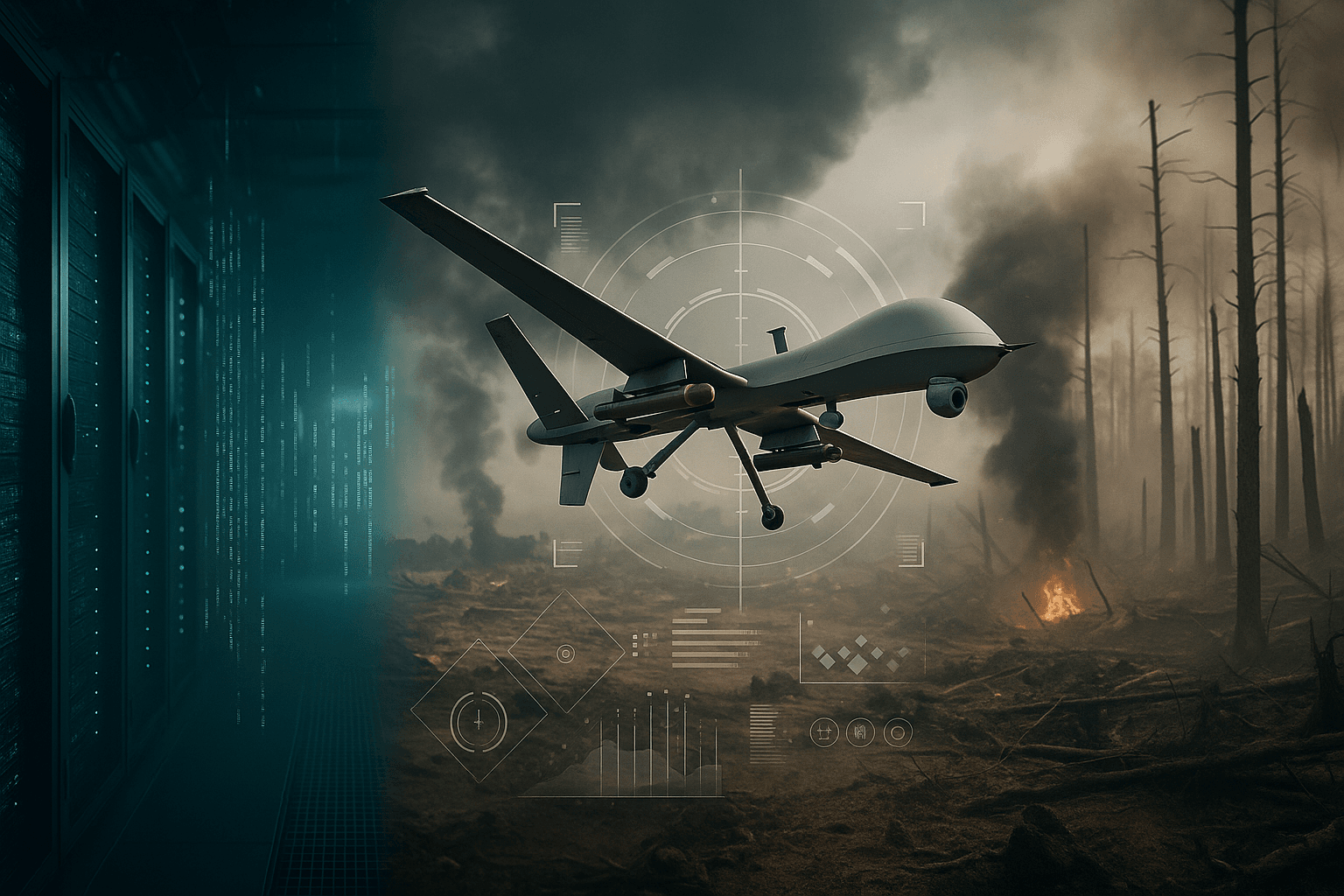
The rapid growth of autonomous weapons systems and armed drones introduces new ethical and legal concerns. These platforms can operate with minimal or no direct human control, making compliance with the principles of distinction and proportionality increasingly difficult. Distinguishing between combatants and civilians may be beyond current autonomous targeting technology, raising questions about accountability when violations occur. The expansion of armed drone use by non-state armed groups, including JNIM in the Sahel, Islamic State in Somalia, and the Arakan Army in Myanmar, has made these questions urgent for IHL scholars and practitioners.
Environmental Damage as a War Crime
Protocol I to the Geneva Conventions prohibits methods of warfare that cause “widespread, long-term, and severe damage” to the environment. The use of Agent Orange in the Vietnam War caused massive deforestation, long-term soil contamination, and severe health impacts for civilian populations. That campaign predates Protocol I, adopted in 1977, so it illustrates the harm the rule was written to prevent rather than a breach of it. Under IHL, deliberate environmental destruction can qualify as a war crime.
Resistance Movements, Foreign Fighters, and International Support
Support for resistance movements has always been a politically charged and legally complex issue under IHL. Humanitarian assistance, including food, medicine, and medical support, is universally permitted, even in occupied territories or active war zones. Such aid must be delivered impartially and without favoring any party to the conflict.
Military assistance, however, introduces serious legal and geopolitical complications. Supplying weapons, providing combat training, or offering logistical support to resistance movements must comply with IHL and may be restricted under international arms control agreements. Covert training missions or arms shipments to irregular forces may be viewed as direct participation in hostilities, potentially making the supporting state a party to the conflict under IHL.
The participation of foreign fighters adds another layer of complexity. Historical cases such as the International Brigades during the Spanish Civil War show how external volunteers can blur the line between lawful combatants and mercenaries. Foreign fighters may qualify for lawful combatant status if they are integrated into the armed forces of a party to the conflict and comply with IHL requirements. Those acting independently or motivated by personal gain risk being classified as mercenaries, removing combatant protections and leading to prosecution under domestic or international law. Modern conflicts in Ukraine and Syria have seen thousands of foreign fighters on both sides, raising urgent questions about jurisdiction, extradition, and accountability.
Resistance and the Cyber Domain extends the legal questions raised here into cyberspace, where attribution, distinction and proportionality are hardest to apply.
View on Amazon →The Ongoing Role of International Humanitarian Law
IHL remains the central legal framework for regulating armed conflict. It ensures civilian protection, limits methods of warfare, and establishes systems of accountability for violations. However, the realities of modern warfare, from urban combat to hybrid tactics and the use of emerging technologies, continue to challenge these legal principles. Resistance movements and irregular combatants must balance operational effectiveness with compliance, a complex task when fighting in environments where civilians and combatants share the same space.
As warfare evolves, so must the mechanisms for IHL enforcement. Strengthening accountability systems, expanding the reach of international courts, and improving cooperation between states are vital steps. The February 2026 Geneva Academy report’s finding that IHL is at a “critical breaking point” reinforces the urgency: without credible enforcement, humanitarian principles risk being undermined by political and military expediency. Ensuring compliance is not only a legal obligation but also a strategic advantage. Adherence to IHL can preserve legitimacy, maintain international support, and reduce the risk of long-term instability after conflict.
Resources for Further Study
The Law of Armed Conflict: International Humanitarian Law in War, Gary D. Solis. Detailed examination of IHL principles through real-world case studies relevant to both conventional and irregular warfare.
Just and Unjust Wars: A Moral Argument with Historical Illustrations, Michael Walzer. A seminal work on the ethical and moral dimensions of warfare and their intersection with international law.
International Humanitarian Law and the Changing Technology of War, Dan Saxon (ed.). How advancements in military technology challenge the application of established IHL principles in modern conflicts.
International Review of the Red Cross. Leading journal on IHL development and application in armed conflicts.
Journal of Conflict and Security Law. Covers international law, armed conflict, and security issues.
“Asymmetric Warfare and International Humanitarian Law”, Noam Lubell (European Journal of International Law) · “Cyber Operations and the Law of Armed Conflict”, Heather Harrison Dinniss
International Committee of the Red Cross (ICRC) · Geneva Academy of IHL and Human Rights · OHCHR · International Criminal Court · RULAC Project
