Latest posts
China’s Fishing Flotillas as Paramilitary Economic Warfare
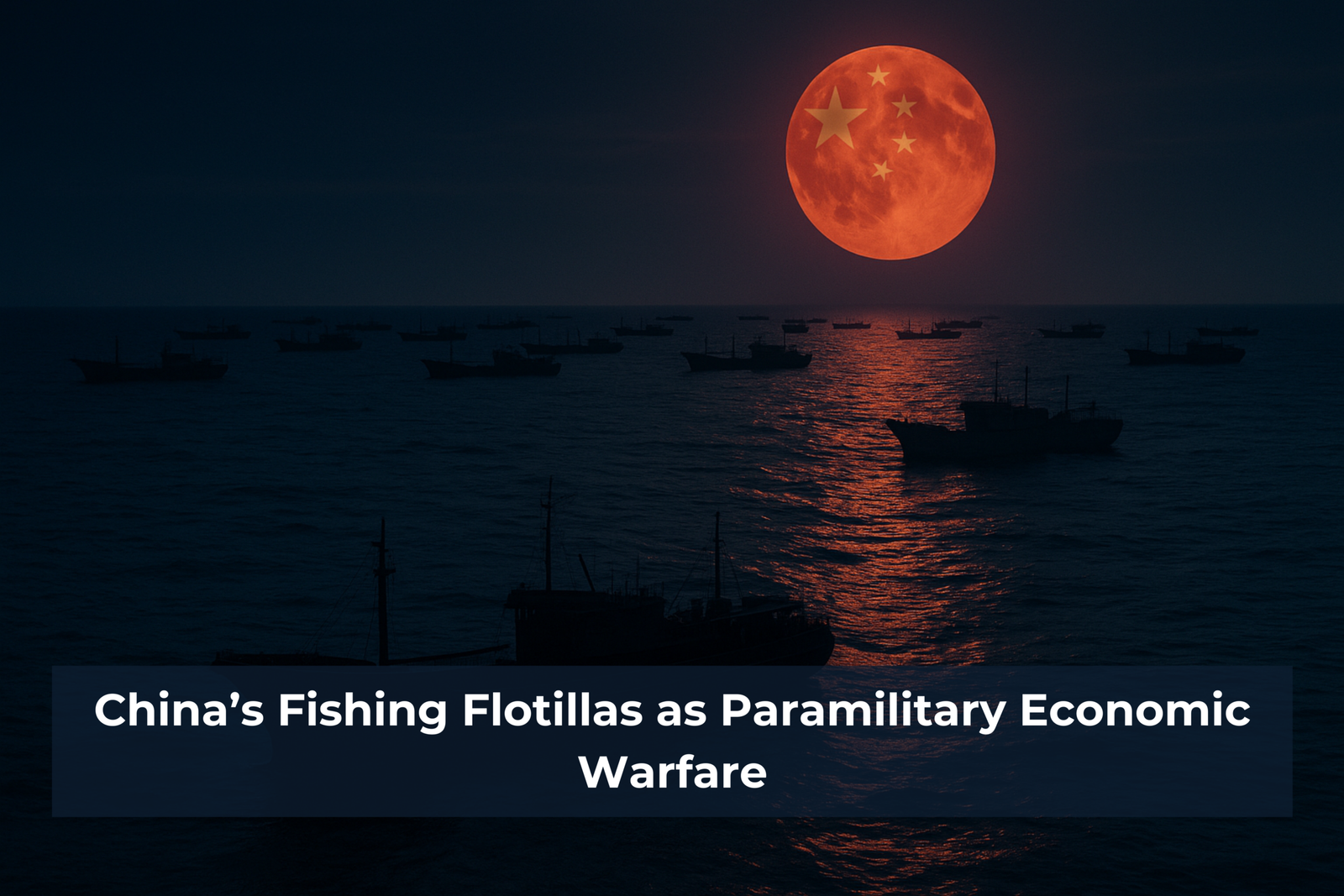
In the darkness of the eastern Pacific, a floating city of light drifts beyond Ecuador’s territorial waters. Hundreds of Chinese fishing vessels illuminate the horizon, their floodlights cutting through the night while satellite transponders flicker off one by one. To the untrained eye, this looks like ordinary commerce. To regional navies and maritime analysts, it
Political Will: The Secret Weapon in Great-Power Competition
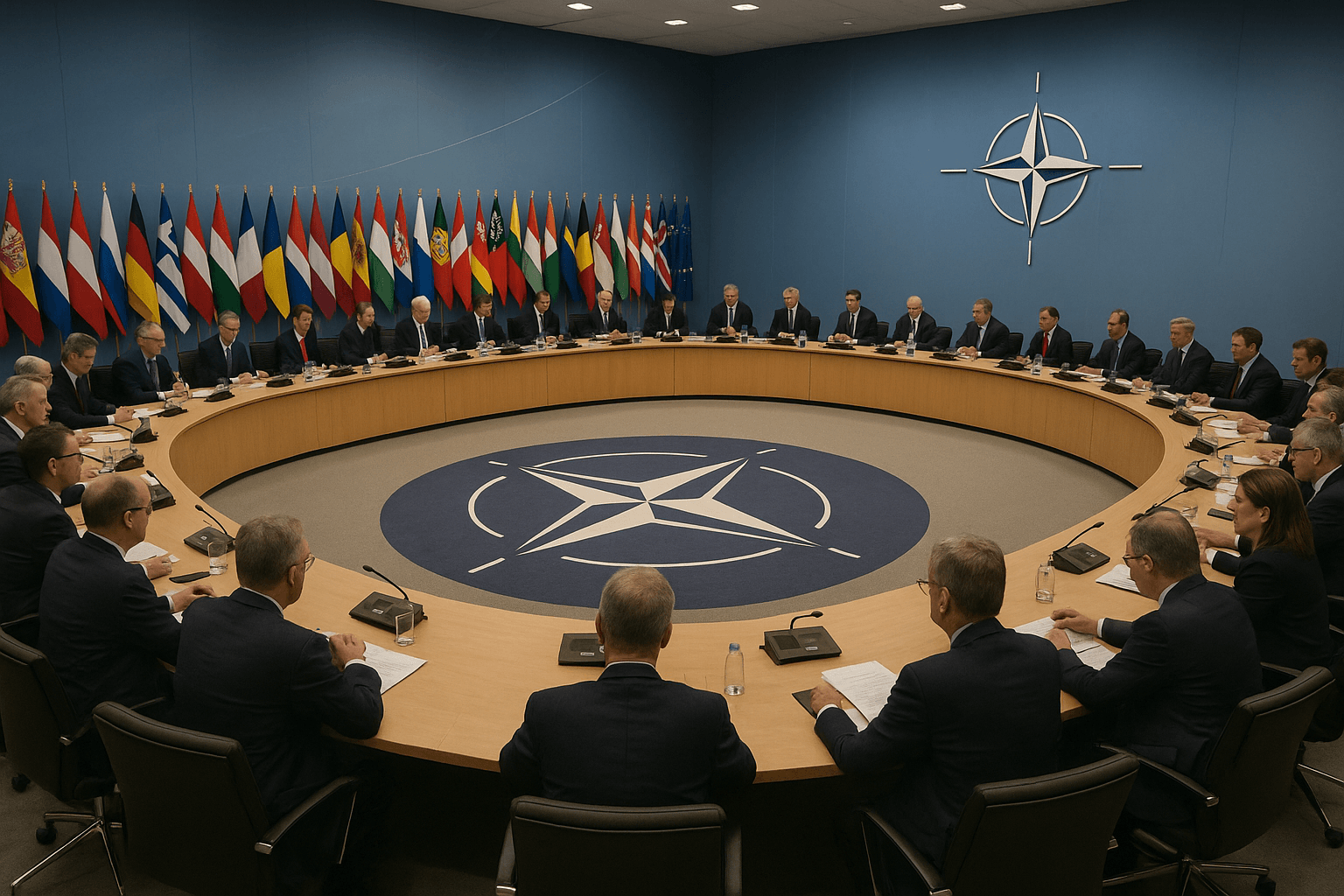
The Fear That Governs Action Nuclear weapons define the outer boundary of great-power conflict, but it is not the warhead that decides whether a fighter jet is shot down or a convoy is struck. It is a matter of political will, the readiness of leaders, parliaments, and alliances to bear the risks of escalation. Capabilities
Deceived and Deployed: How Russia Lures Foreign Nationals Into Its War in Ukraine
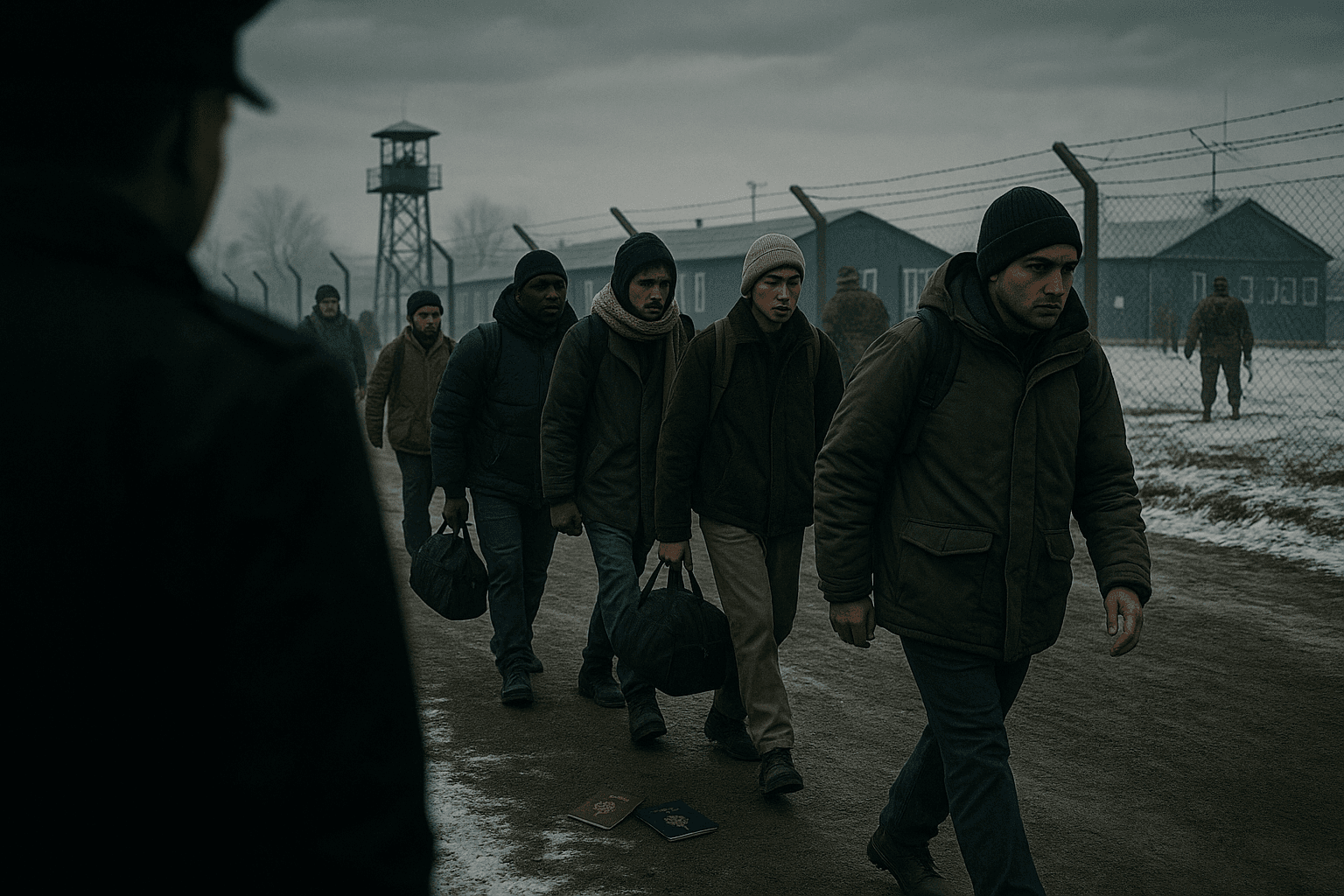
The War That Found Them Russia is drawing foreign nationals from Asia, Africa, and Latin America into its war in Ukraine under false pretenses. They arrive believing they have secured legitimate jobs, university placements, or fast-track residency opportunities. Within days, or in some cases, mere hours, they find themselves on a battlefield they never agreed
Romania’s Militant Democracy Movement: Defending the System, or Undermining It?

In March 2025, Romania’s Constitutional Court upheld a controversial decision to bar far-right candidate Călin Georgescu from running in a rerun of the presidential election. This ruling followed Romania’s top electoral body invalidating the results of the December 2024 election. They cited alleged Russian interference and violations of electoral law that had favored Georgescu. Supporters
Irregular Warfare During Jimmy Carter’s Presidency
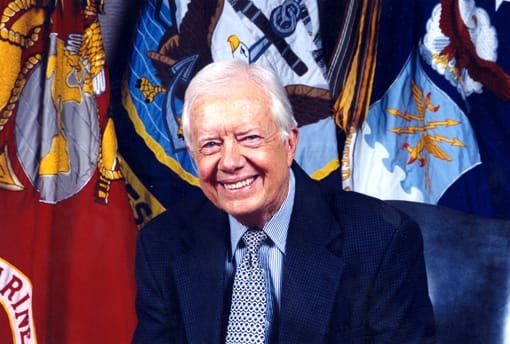
The presidency of Jimmy Carter (1977–1981) coincided with a global wave of irregular warfare that stretched from the mountains of Afghanistan to the jungles of Central America. Carter entered office promising a foreign policy rooted in human rights. He left it having authorized covert operations, weathered a hostage crisis that defined his presidency, and watched
Applying International Law to Resistance and Irregular Combatants
International Humanitarian Law (IHL)—commonly referred to as the law of armed conflict—establishes the rules that balance military necessity with humanitarian protection. These legal frameworks bind both state and non-state actors, including resistance movements and irregular combatants. Yet, the application of IHL in modern conflicts is increasingly complex, particularly when addressing proportionality, targeting, and legal accountability