Latest posts
The Knights Dilemma: Evolution of Elite Warfare
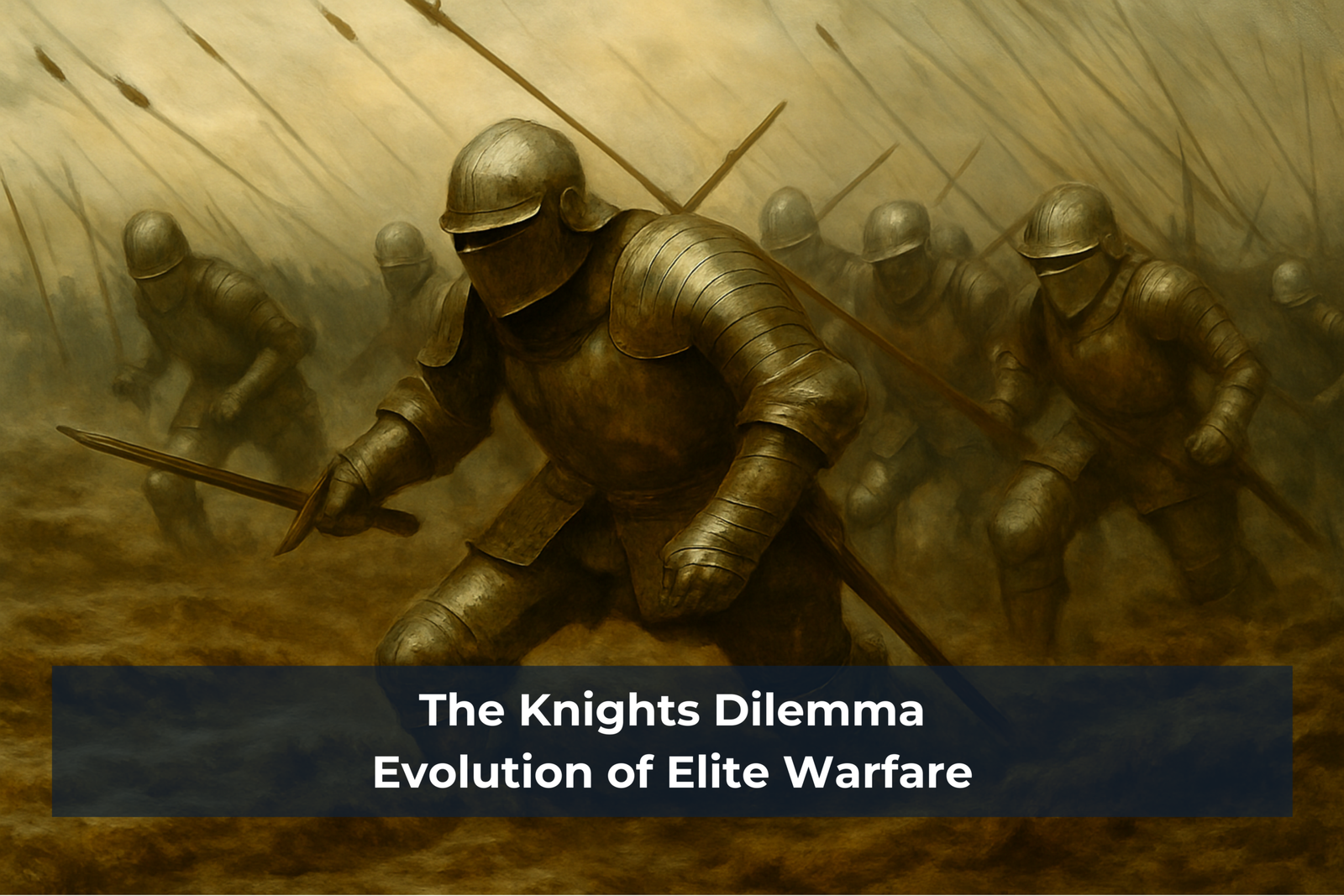
On October 25, 1415, in a muddy French field, the age of the knight began to die. The Battle of Agincourt was a collision of peak military capability, the feudal knight, and the battlefield introduction of cheap massed fires from the British longbow. Thousands of armored nobles, bound by centuries of skill, ritual, and pride,
Political Will: The Secret Weapon in Great-Power Competition
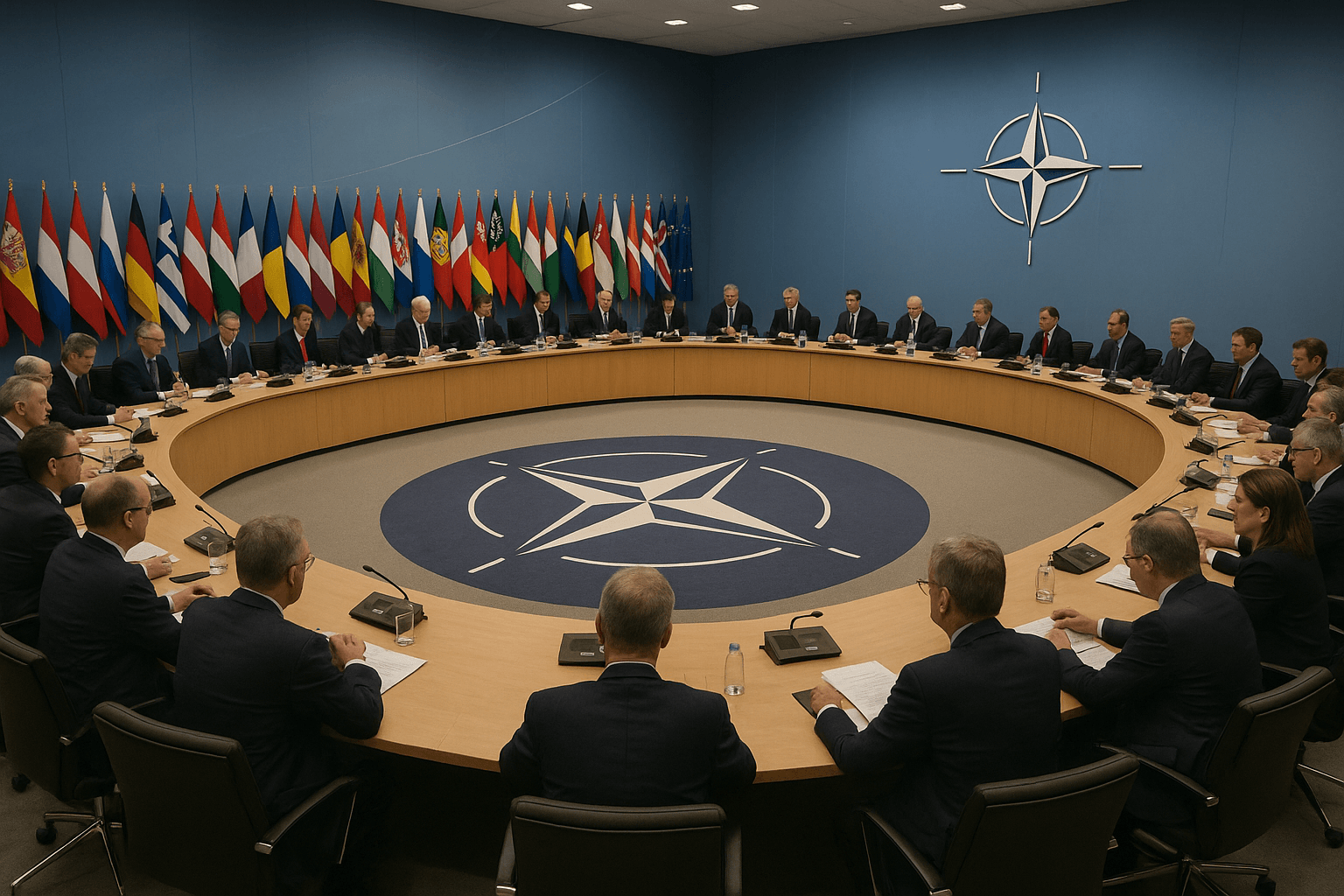
The Fear That Governs Action Nuclear weapons define the outer boundary of great-power conflict, but it is not the warhead that decides whether a fighter jet is shot down or a convoy is struck. It is a matter of political will, the readiness of leaders, parliaments, and alliances to bear the risks of escalation. Capabilities
Revolution in Our Roots: America’s Founding as a Case Study in Irregular Warfare

One of the things that sets the United States apart on the global stage is its singular independence. In much of the world, particularly across Eastern Europe, independence is a cycle. It is declared, lost, reclaimed, and redefined. Ukraine has at least three independence anniversaries. Georgia celebrates its break from the Russian Empire, the Soviet
Irregular, Asymmetric, Hybrid, and Guerrilla Warfare: Sorting the Terms That Shape Modern Conflict
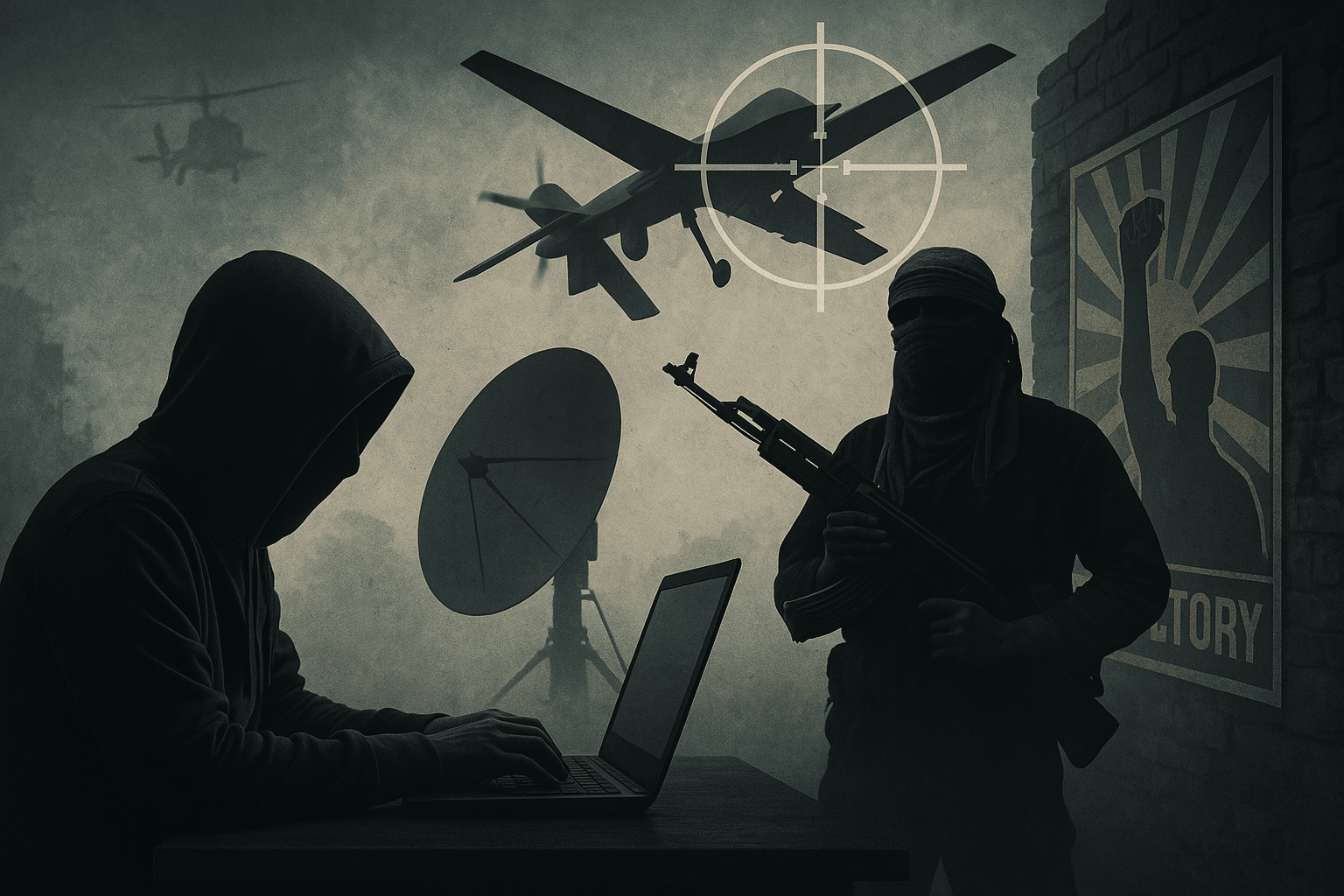
The modern battlefield is no longer confined to tanks, trenches, and clearly drawn front lines. Today’s conflicts merge propaganda with cyber attacks, insurgents with drones, and militias with memes. As this environment evolves, so too does the language we use to describe it. Irregular Asymmetric Hybrid and Guerrilla Warfare are four of the most commonly
Much Ado About Drones
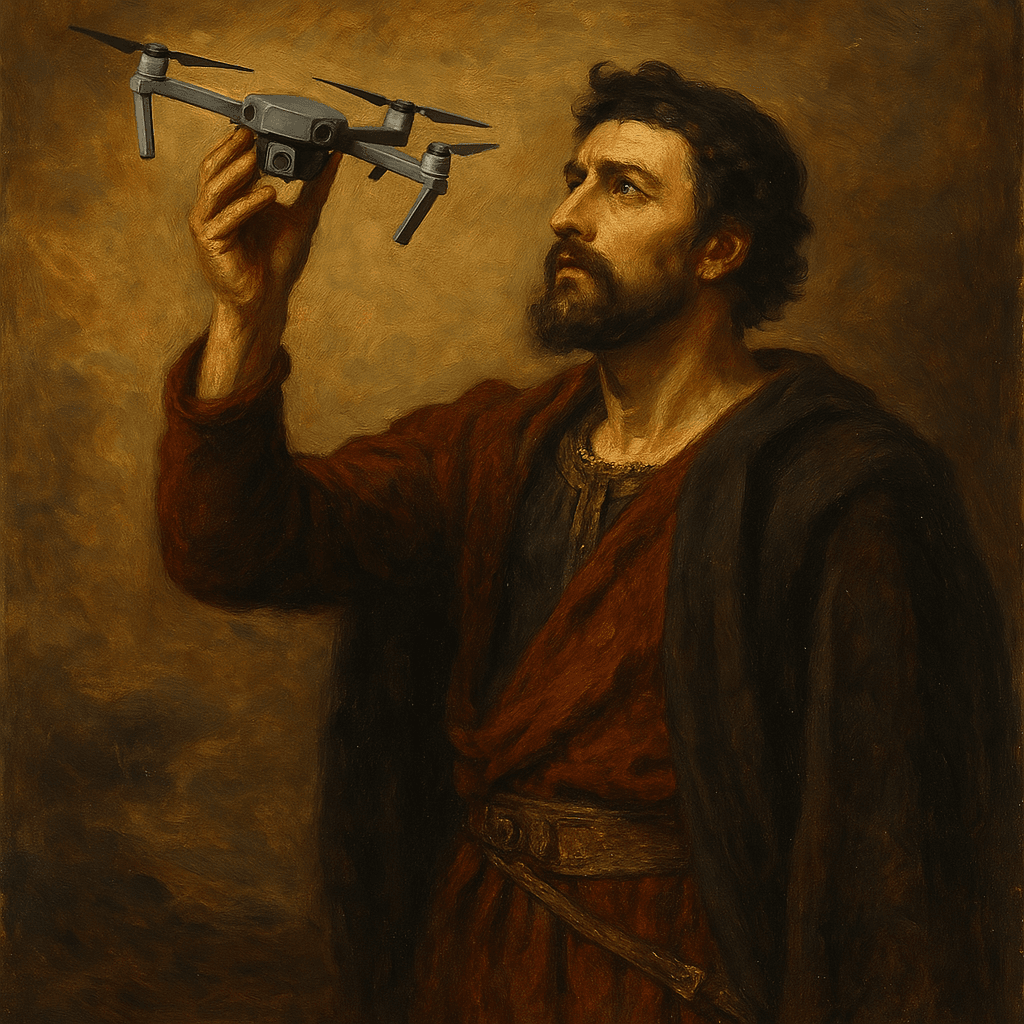
Why Unmanned Aerial Systems Are Evolutionary, Not Revolutionary for U.S. Warfare Disclaimer: The views expressed in this article are those of the author and do not reflect the official policy or position of the Department of Defense or the U.S. Government. The appearance of external hyperlinks does not constitute endorsement by the United States Department
Revolutionary Spirits Explores the Enduring Legacy of Che Guevara’s Guerrilla Doctrine
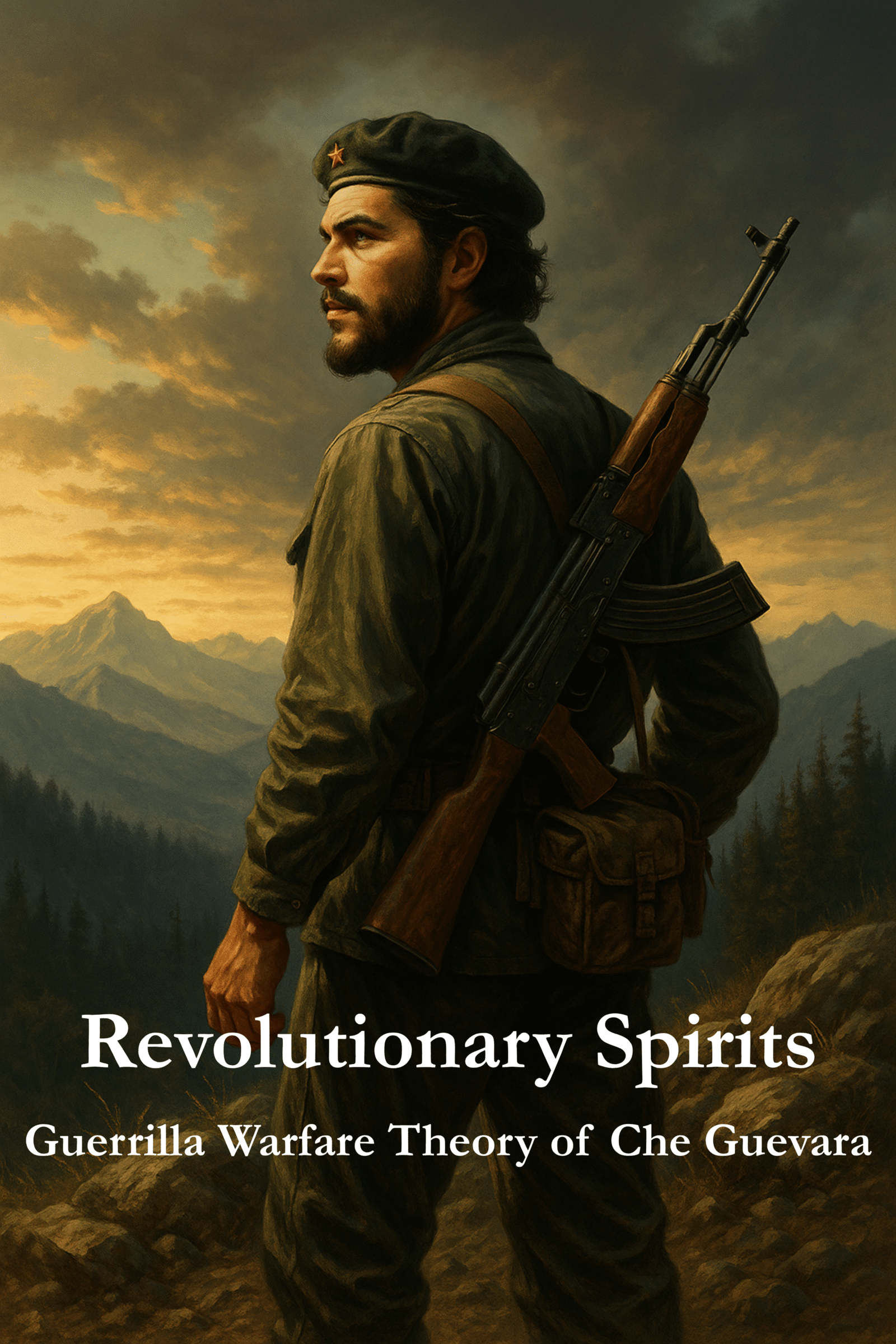
What remains of Che Guevara’s theory of revolution in the 21st century? In an era shaped by cyber conflict, proxy insurgencies, and state surveillance, a return to Guevara’s foundational ideas might seem anachronistic—or surprisingly prescient. A new title released this week by Distillery Press, Revolutionary Spirits: Guerrilla Warfare Theory of Che Guevara, invites readers to
OSS Simple Sabotage Manual: A Guide to Covert Disruption
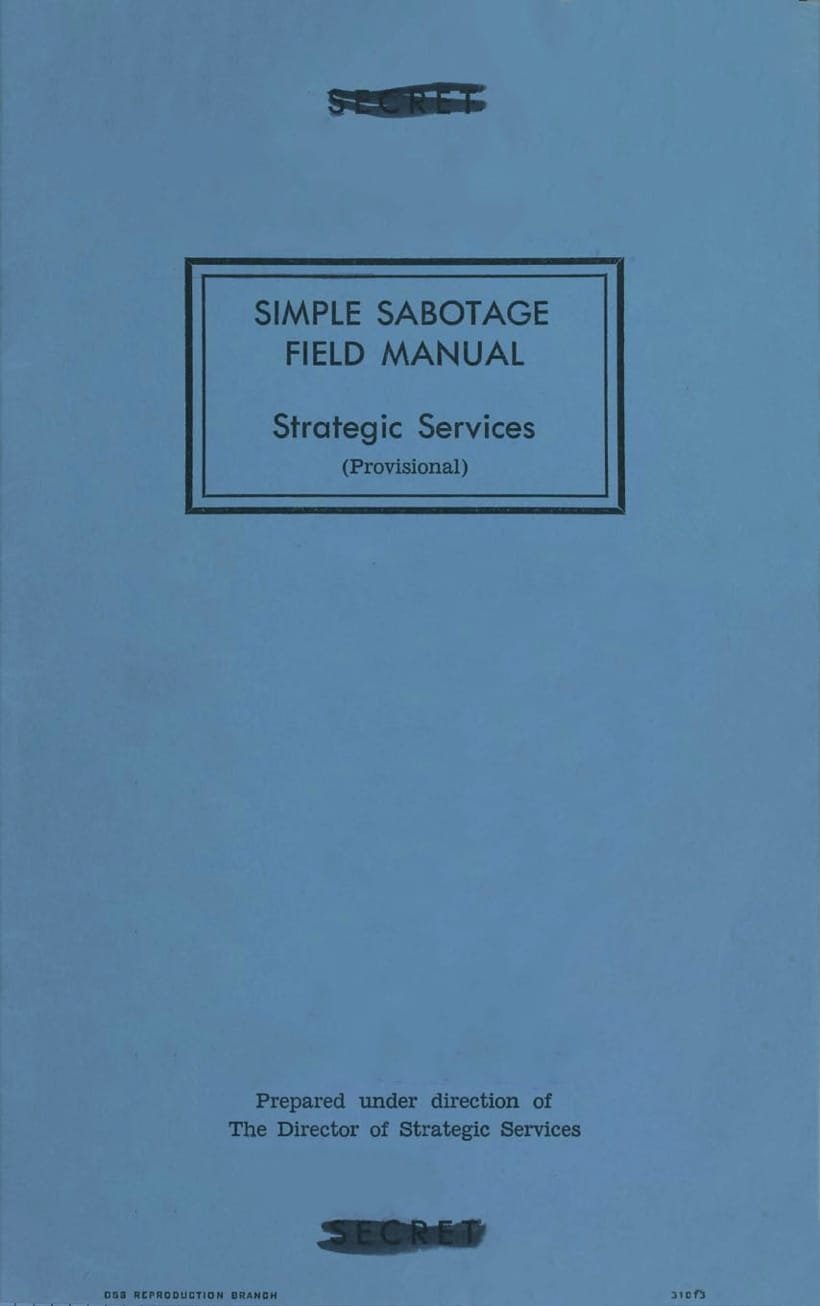
// UPDATE — MARCH 2026 This article has been updated with improved structure, expanded historical context, and analysis of the manual’s modern relevance — from Russia’s documented sabotage campaign across Europe to corporate applications of counter-sabotage principles. Internal links added throughout to connect with TRH’s broader sabotage and irregular warfare coverage. The CIA declassified the
Irregular Warfare During Jimmy Carter’s Presidency
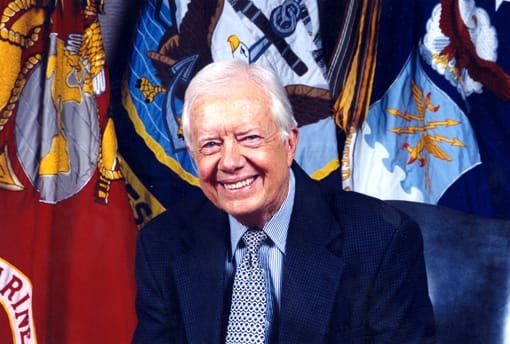
The presidency of Jimmy Carter (1977–1981) coincided with a global wave of irregular warfare that stretched from the mountains of Afghanistan to the jungles of Central America. Carter entered office promising a foreign policy rooted in human rights. He left it having authorized covert operations, weathered a hostage crisis that defined his presidency, and watched