Latest posts
Georgian Protest Movements
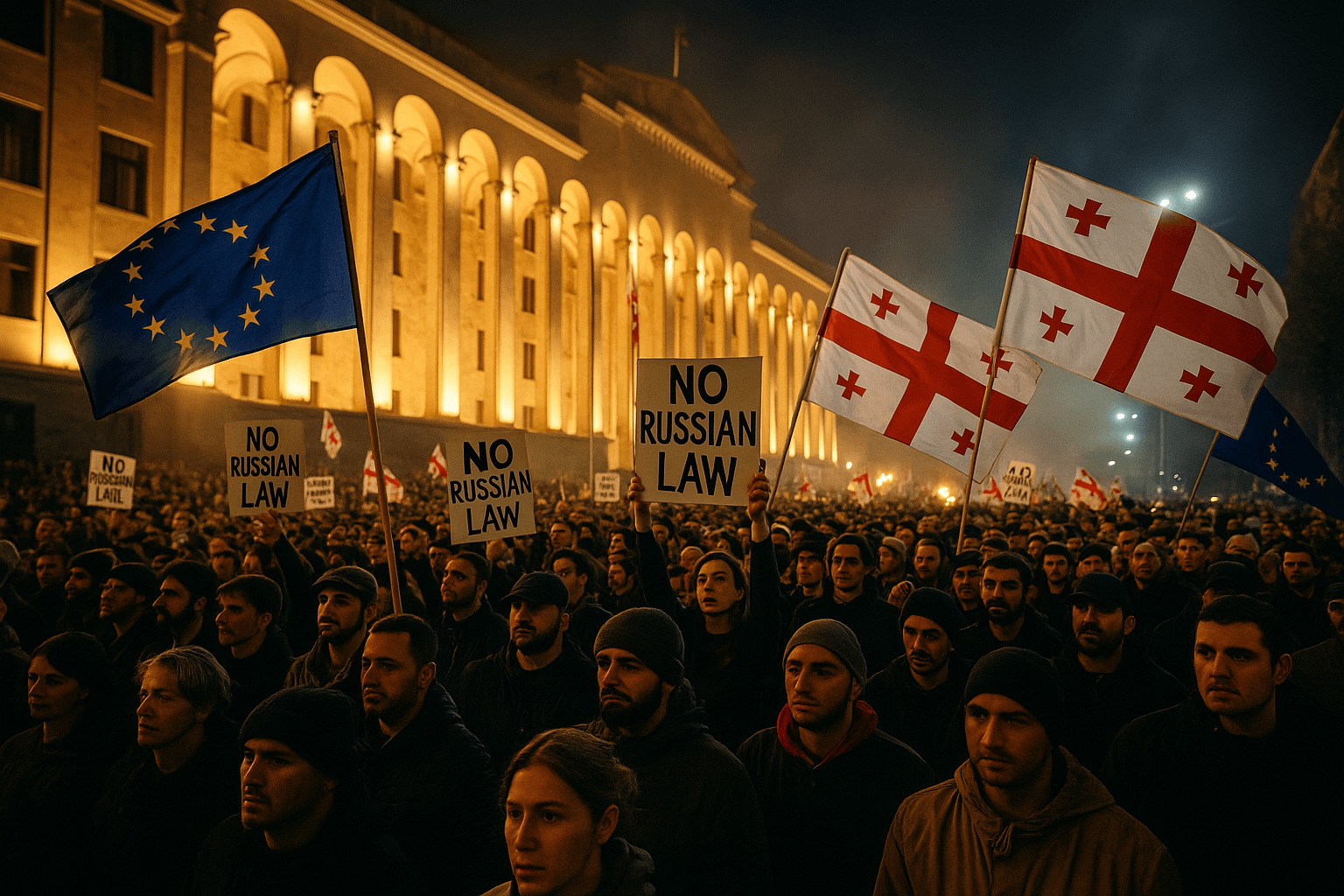
Since 2023, Georgia has become one of the most significant theaters of mass civic resistance in Europe. Hundreds of thousands of Georgians have taken to the streets repeatedly, first to defeat a Russian-style “foreign agents” law in 2023, then to contest disputed parliamentary elections in October 2024, and finally to confront the ruling Georgian Dream…
Applying International Law to Resistance and Irregular Combatants
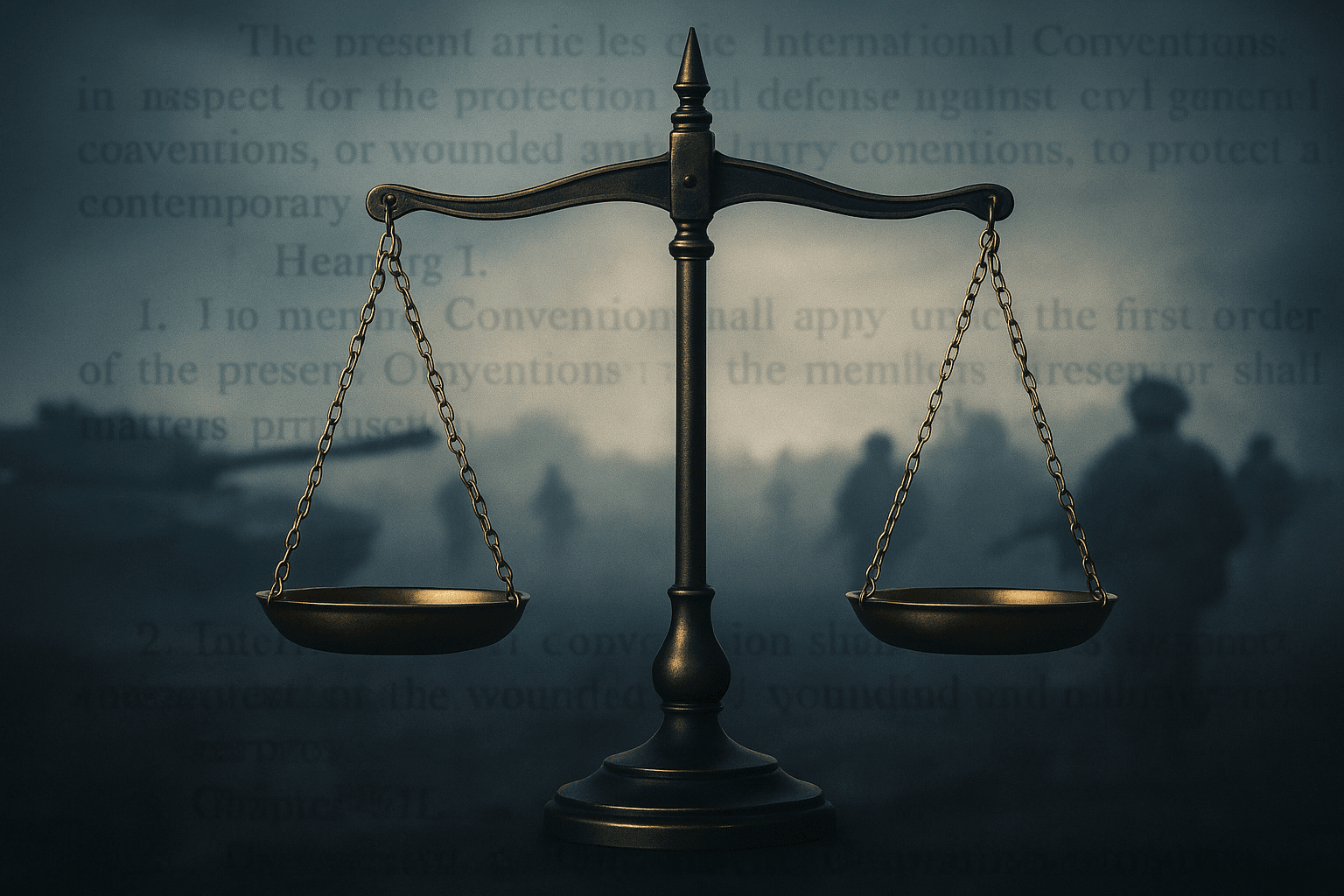
International Humanitarian Law (IHL), commonly referred to as the law of armed conflict, establishes the rules that balance military necessity with humanitarian protection. These legal frameworks bind both state and non-state actors, including resistance movements and irregular combatants. Yet, the application of IHL in modern conflicts is increasingly complex, particularly when addressing proportionality, targeting, and…
Resistance Movements in Occupied Territories: A Historical Perspective
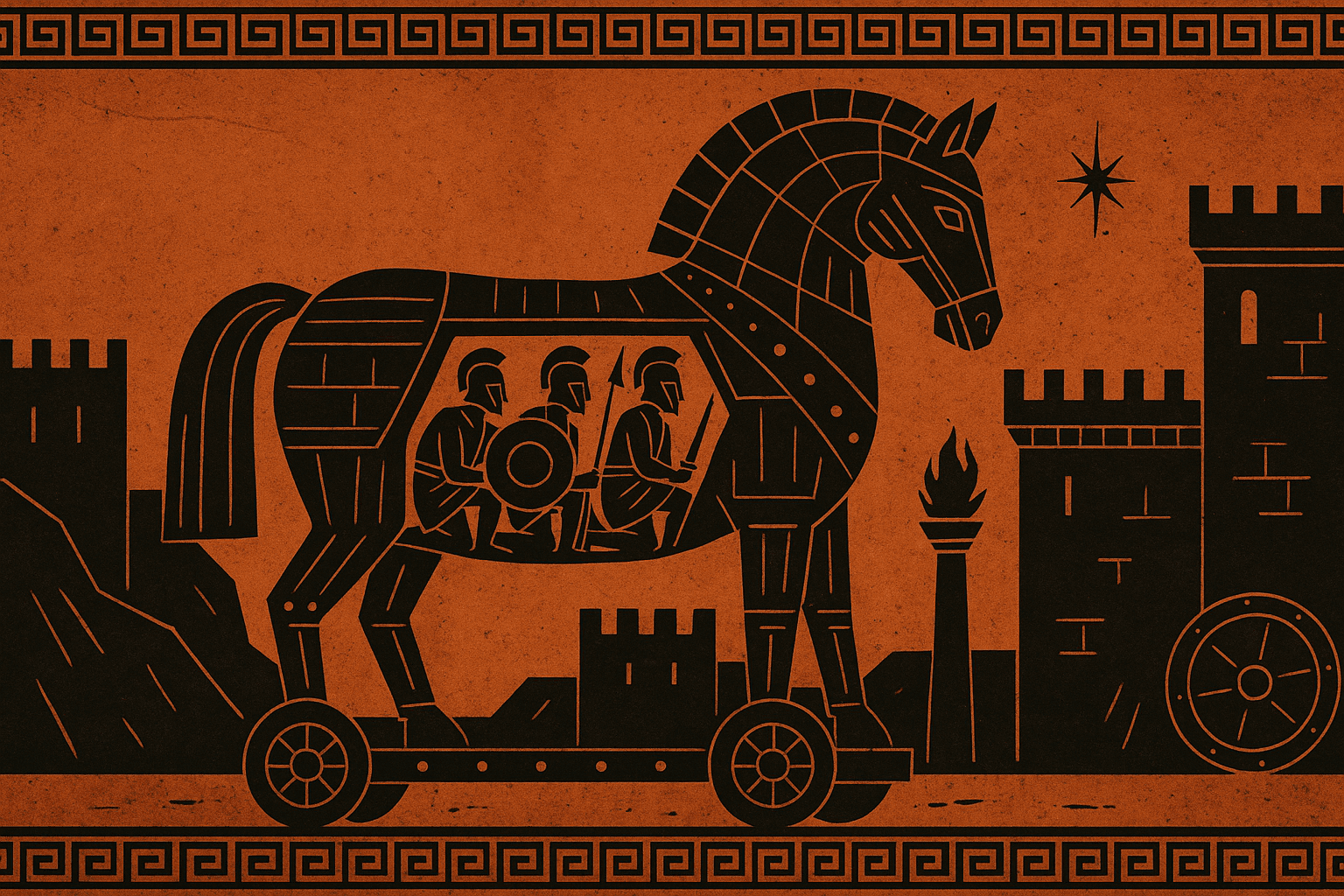
// UPDATE: AUGUST 2026 This article has been substantially expanded with deeper historical analysis, Cold War-era cases, and modern examples including Ukrainian territorial resistance, Myanmar’s civil disobedience movement, and Sudan’s resistance committees. Internal links and reading resources updated throughout. Throughout history, resistance movements in occupied territories have been vital to the human spirit’s quest for…
Subversion: Unseen Forces That Reshape History
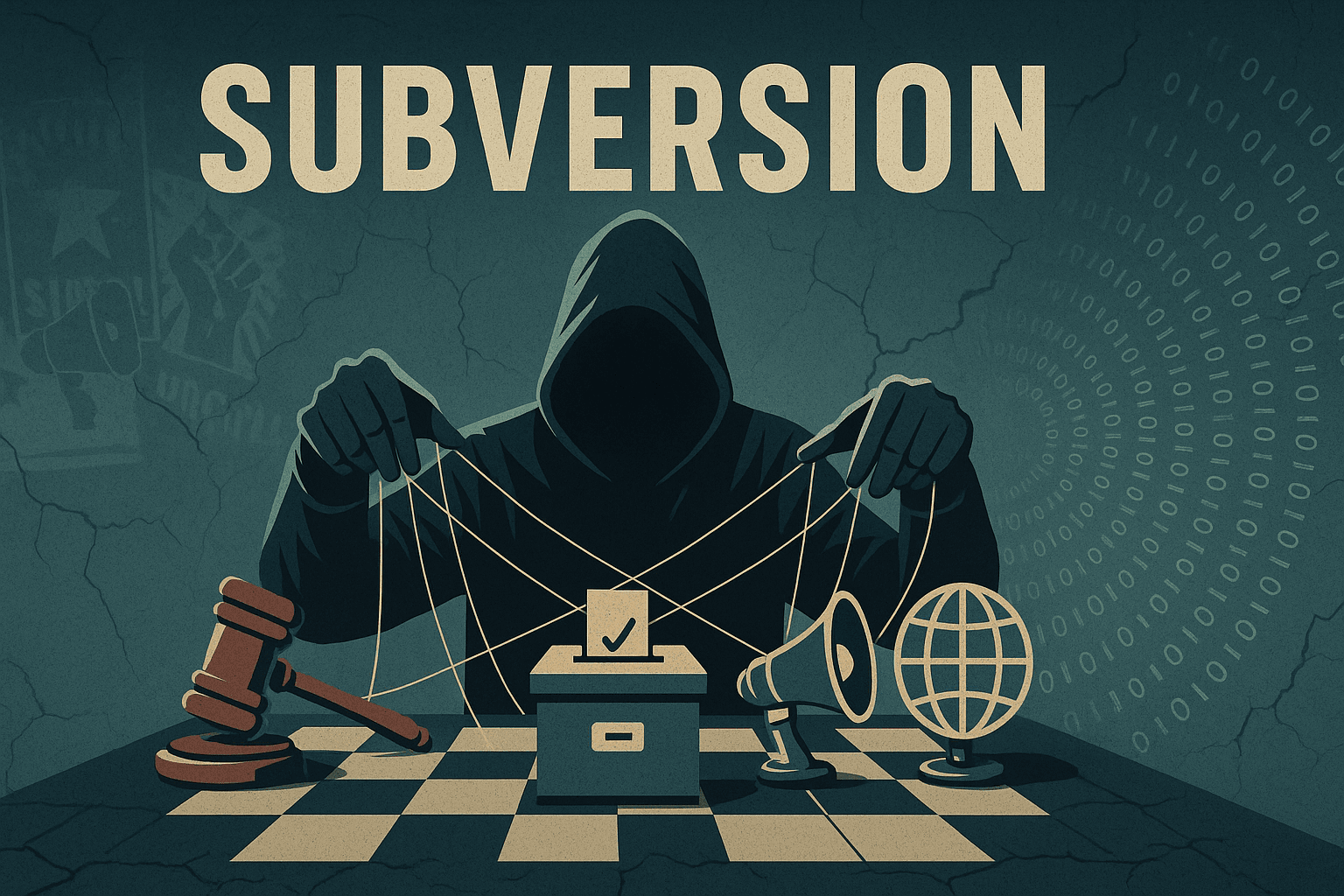
Subversion is best understood not through definitions but through its application. For a foundational overview of what subversion is and how it operates, see our core guide on subversion. These subversion case studies pick up where that guide stops. This article examines the practice itself: the movements that wielded subversion to reshape nations, the theoretical…
The Use of Espionage by Resistance Movements
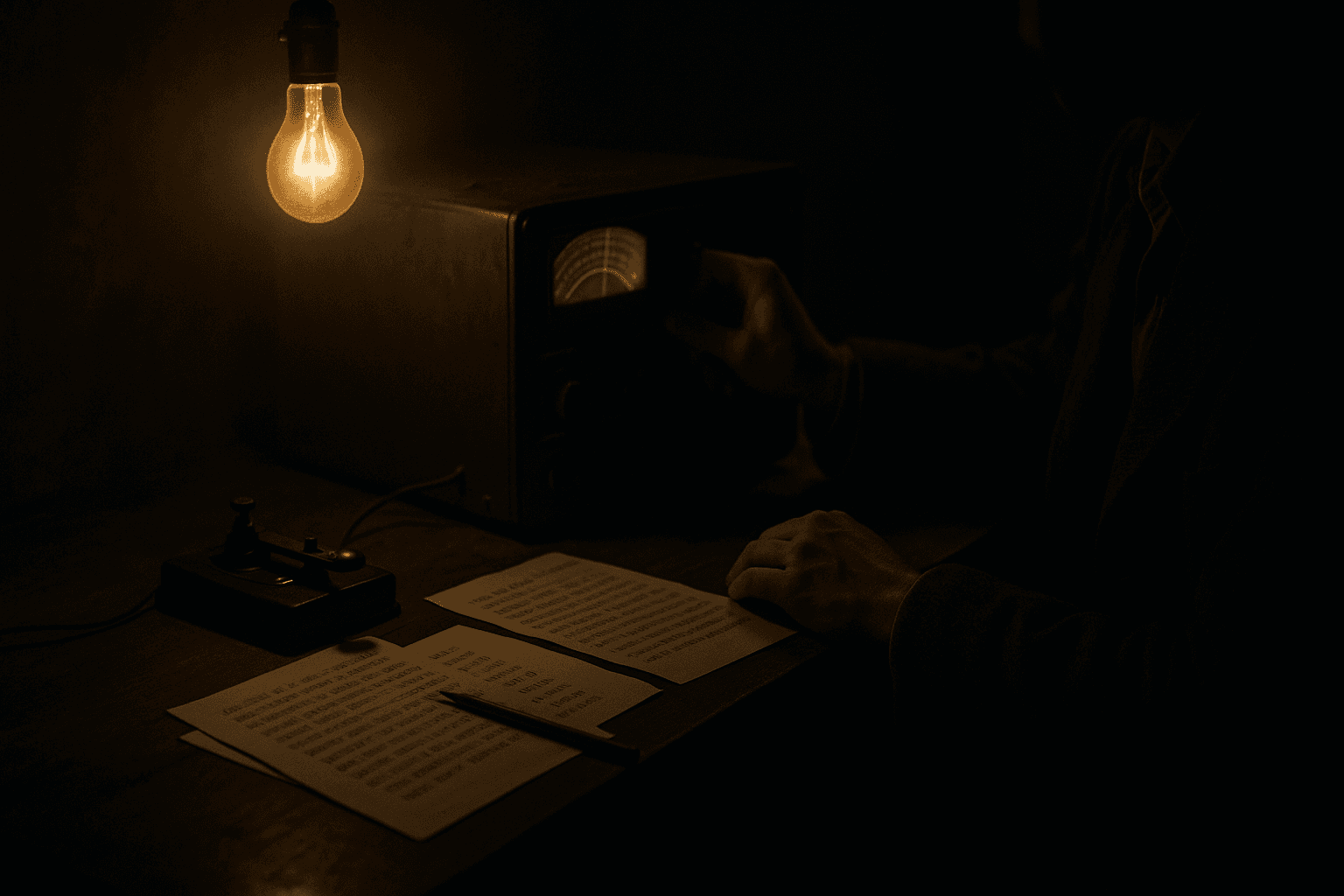
The Invisible Foundation of Resistance Espionage in resistance movements is the first tool of the fight, the act of gathering, concealing, and transmitting knowledge when discovery means death. In denied territory, where an occupying power controls the instruments of state and surveillance, open defiance is impossible. Underground networks connect isolated cells, protect leadership, and turn…
Subversion

Subversion in resistance movements is among the most potent and least understood tactics in the underground arsenal. It is the art of undermining an adversary’s power structures from within, using psychological, social, and political tools to destabilize institutions and delegitimize authority. Movements that master it convert diffuse discontent into organized resistance mobilization without ever massing…
Turmoil In South Korea

South Korea faced its most severe political upheaval in decades after President Yoon Suk Yeol declared martial law on December 3, 2024. Yoon said the move was necessary to counter “anti-state forces.” The National Assembly annulled the order within hours, marking a decisive moment for the country’s democracy. While the reversal showed the strength of…
Social Network Analysis

Mapping Resistance Networks: The Power of Social Network Analysis Resistance movements, whether peaceful or armed, do not appear by chance. They grow, survive, or collapse based on the strength of the networks that connect them. Trust, communication, and influence are the foundations of these systems. Social Network Analysis (SNA) provides the framework to understand how…