Latest posts
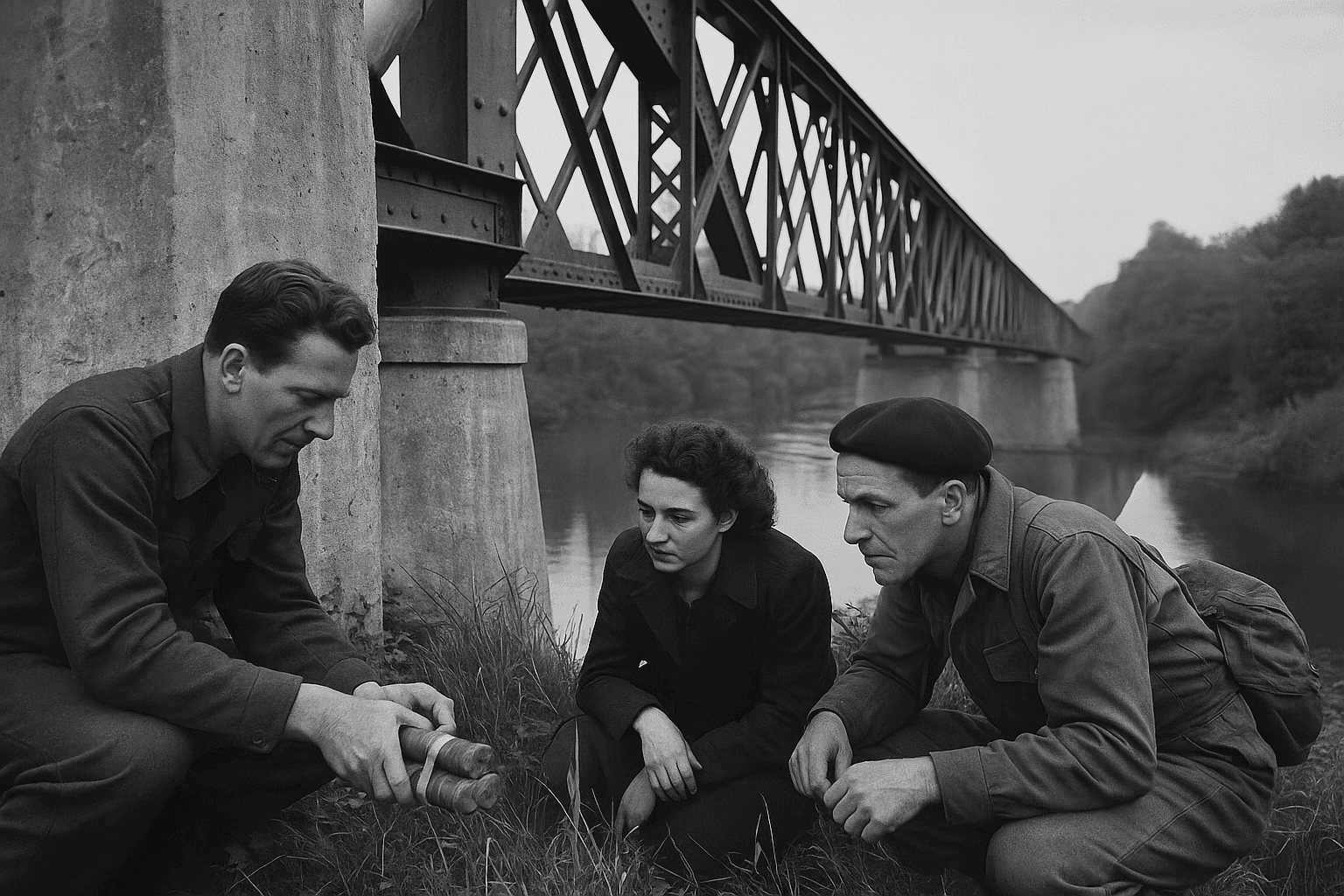
Sabotage in Warfare: A Brief History

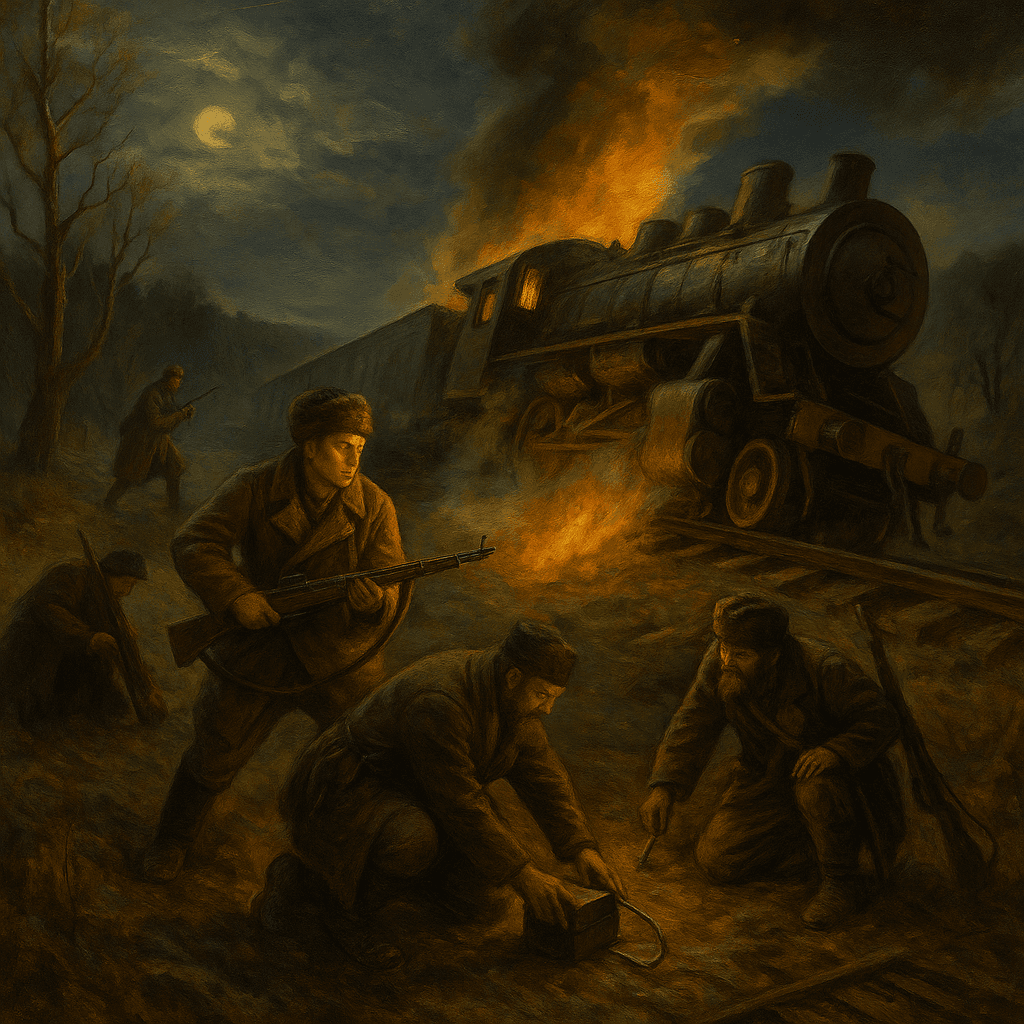
Sabotage — the deliberate destruction or disruption of resources, operations, or systems — has long been a vital tactic in warfare. Often wielded by smaller forces unable to confront enemies directly, it allows them to erode the power and momentum of larger, better-equipped adversaries. From the physical destruction of ancient siege engines to the precision
The Revolutionary Strategies of Che Guevara

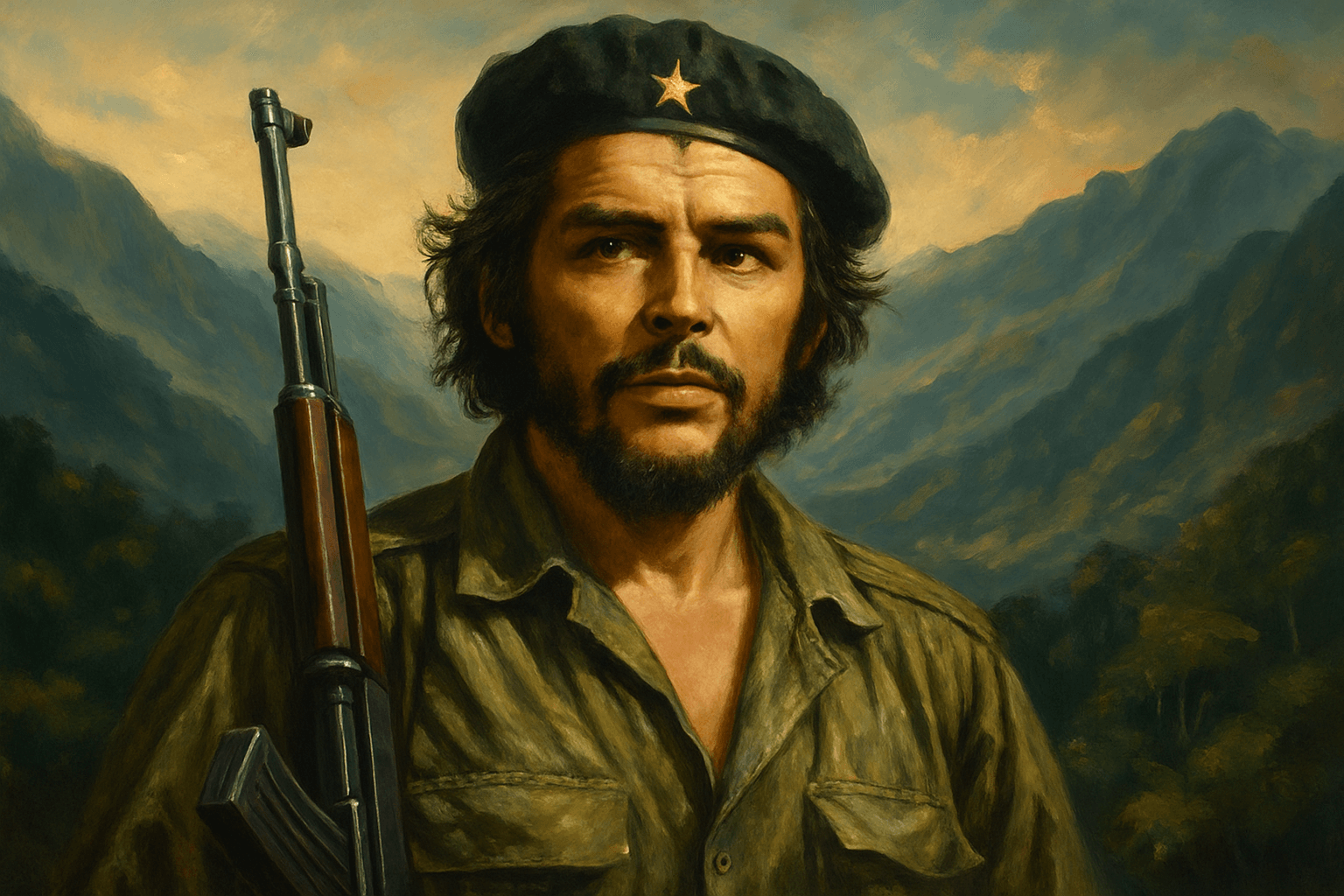
Che Guevara: Revolutionary Icon, Guerrilla Strategist, and Controversial Legacy Few figures in modern history evoke as much debate as Ernesto “Che” Guevara. His name is often linked to revolution, guerrilla warfare, and defiance against imperialism. Yet the iconic image on T-shirts and protest banners only scratches the surface. Behind the symbol was a complex strategist
T.E. Lawrence
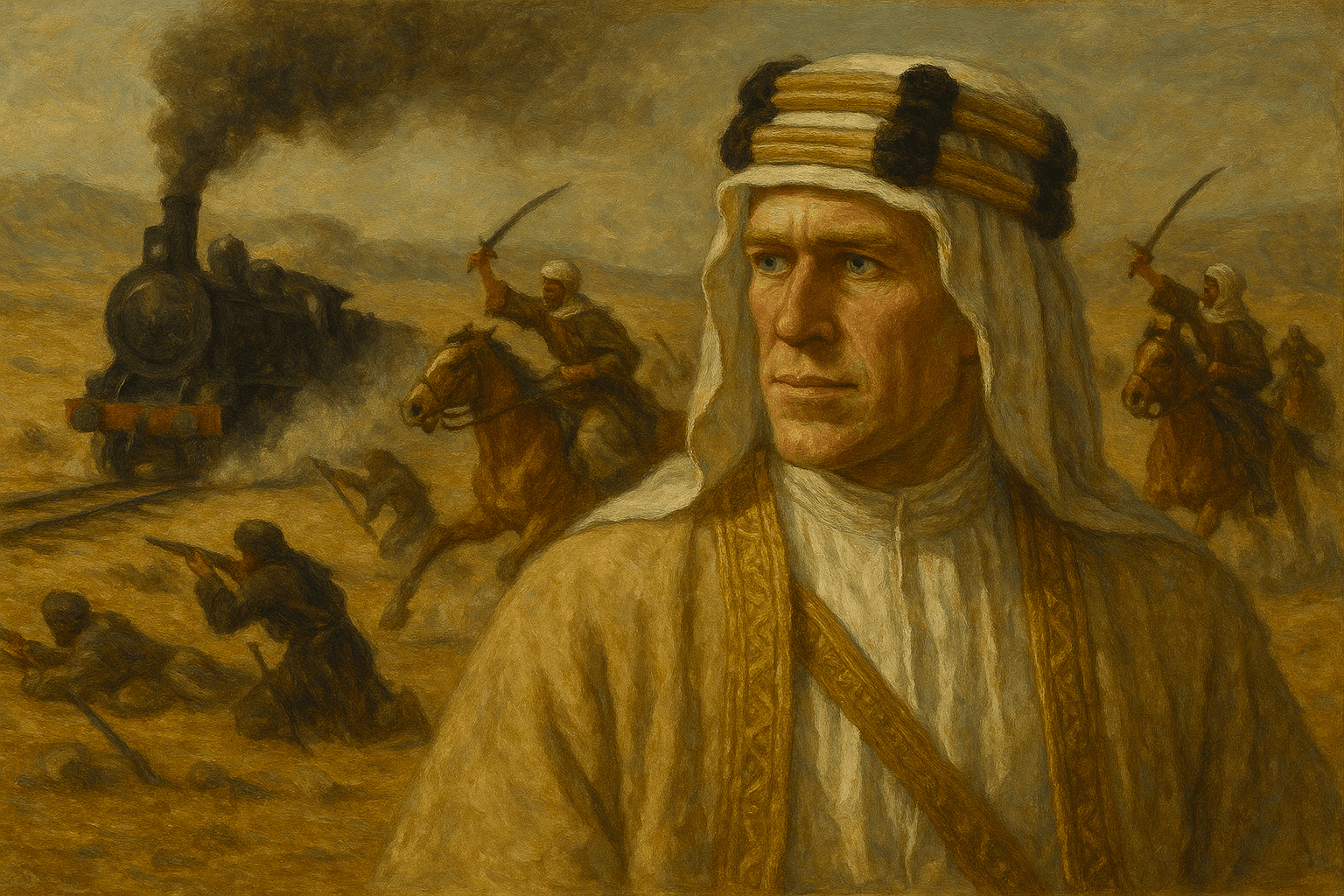
T.E. Lawrence, celebrated as Lawrence of Arabia, transformed the art of irregular warfare. His campaigns during the Arab Revolt against the Ottoman Empire combined strategic brilliance with cultural sensitivity, changing the way modern militaries think and operate. Operating in the harsh deserts of the Arabian Peninsula during World War I, Lawrence partnered with Bedouin tribes
Mao Zedong’s Guerrilla Strategies
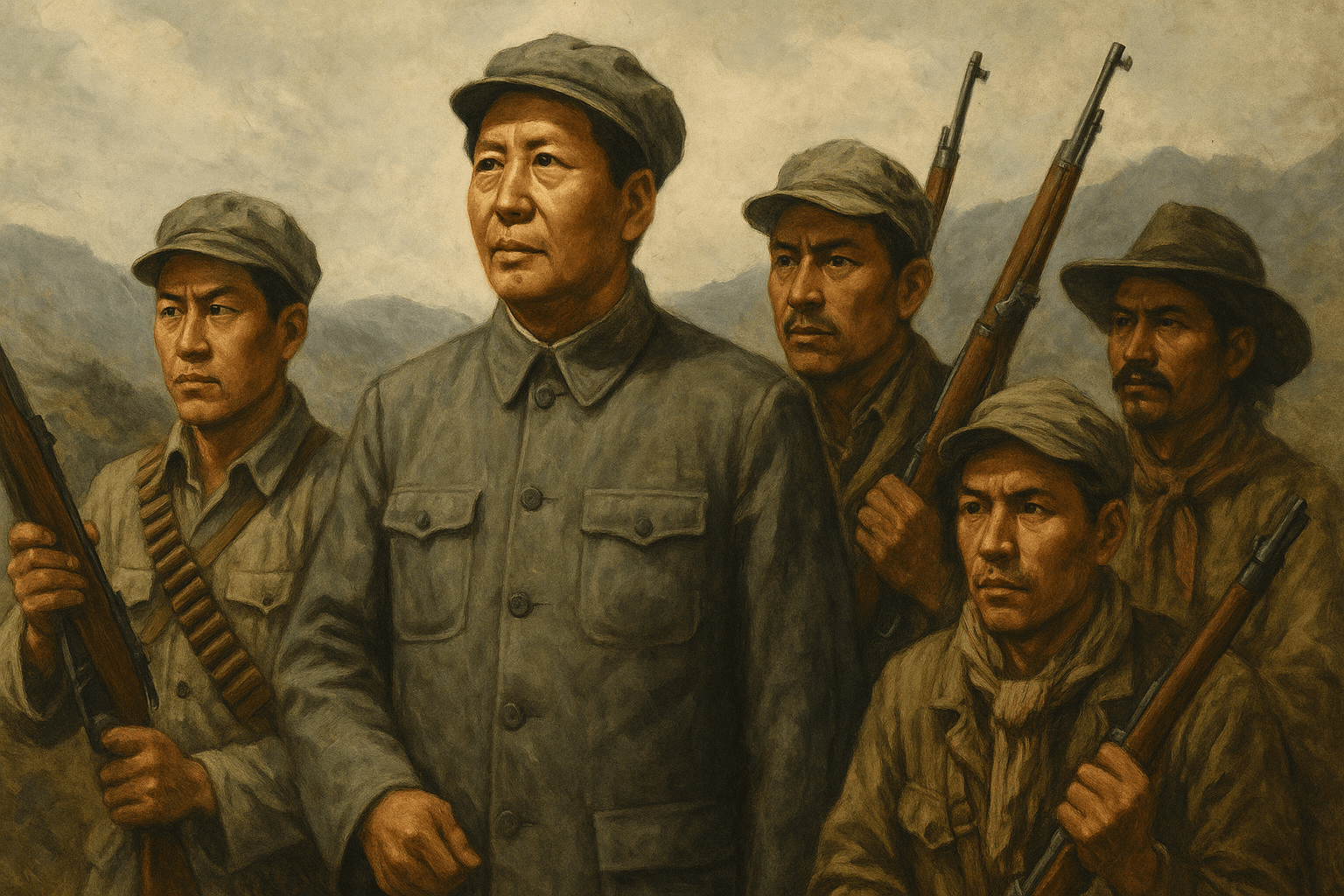
Mao Zedong and the Foundations of Guerrilla Warfare Mao Zedong revolutionized 20th-century insurgency by blending military tactics with political ideology and social mobilization. His strategy—especially the idea of People’s War—emphasized class power, protracted struggle, and political-military integration. These principles helped the Chinese Communist Party win the Chinese Civil War. They later influenced guerrilla movements in
The Three Most Influential Thinkers in Counterinsurgency Theory
Counterinsurgency, often referred to as COIN, is a vital discipline within military and political science. It combines strategy, governance, and human behavior into a single operational framework aimed at defeating insurgent movements. These movements usually stem from deep political, economic, or social grievances that traditional military force alone cannot resolve. Counterinsurgency theory therefore extends beyond
The Use of Espionage by Resistance Movements
The Invisible Foundation of Resistance Espionage is the first tool of resistance, the act of gathering, concealing, and transmitting knowledge when discovery means death. In denied territory, where an occupying power controls the instruments of state and surveillance, open defiance is impossible. Underground networks connect isolated cells, protect leadership, and turn awareness into action. Through
Subversion
Subversion is among the most potent — and least understood — tactics in the arsenal of resistance movements. It is the art of undermining an adversary’s power structures from within, using psychological, social, and political tools to destabilize institutions and delegitimize authority. From the Cold War’s covert campaigns to the grassroots uprisings of the Arab
Sabotage: History, Tactics & Strategy in Resistance Movements
Sabotage has long been a hallmark of resistance movements—an action that disrupts the powerful without demanding open battle. From damaged railway lines during the American Civil War to fuel pipeline shutdowns in the 21st century, targeted disruption remains one of the most accessible and effective forms of irregular warfare. Though tools have changed, the core