Latest posts
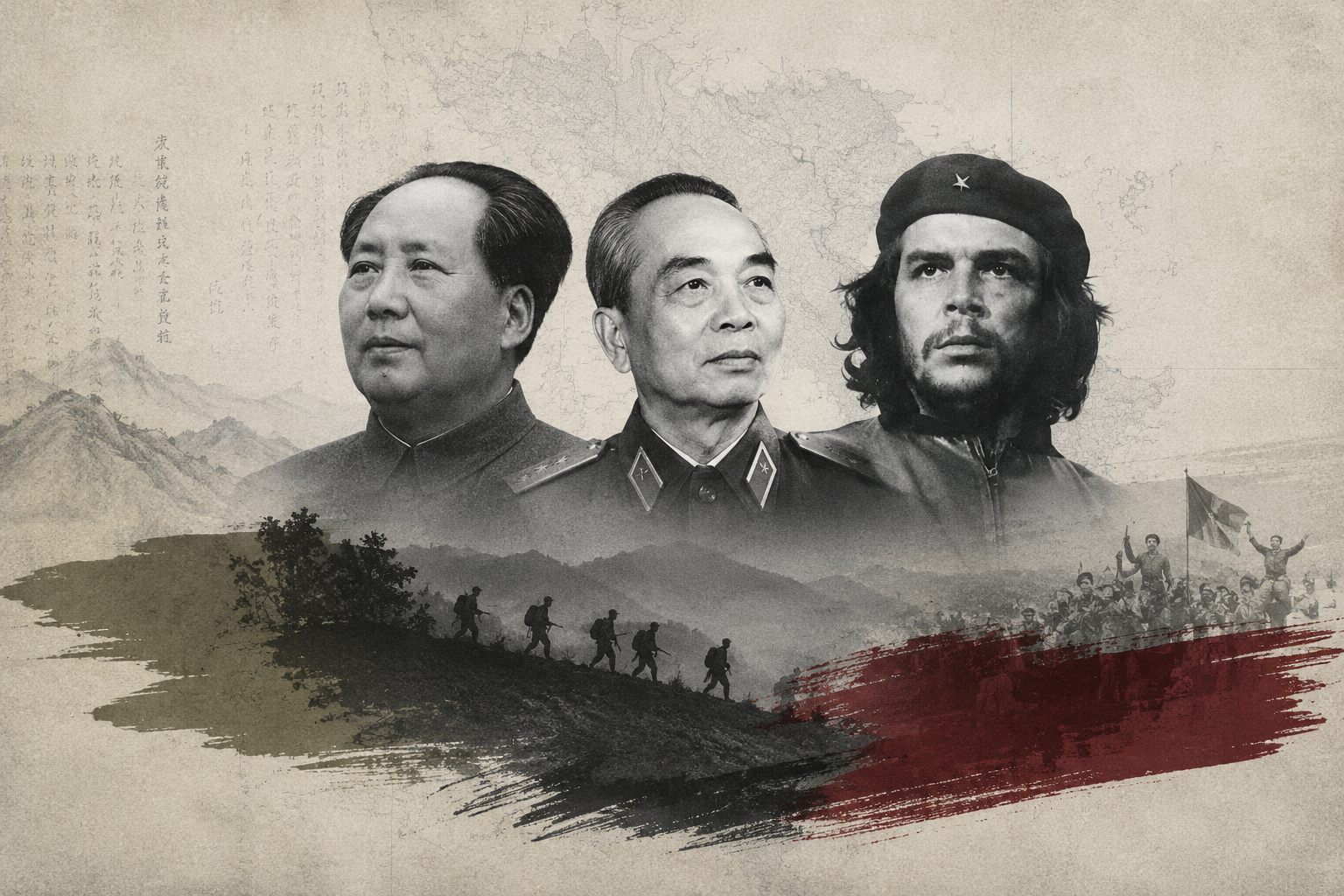
Revolutionary Warfare in Three Visions
Contributor MOE GYO Moe Gyo is a writer and consultant working with ethnic organizations in Myanmar. Writing from the Thai–Myanmar borderlands, he draws on years of direct engagement with communities shaped by conflict and informal governance under prolonged irregular warfare. His writing has appeared in the Small Wars Journal and the Journal of Special Operations…
India at the Crossroads of Modern Conflict: From Jungle Warfare to Cyber Frontlines
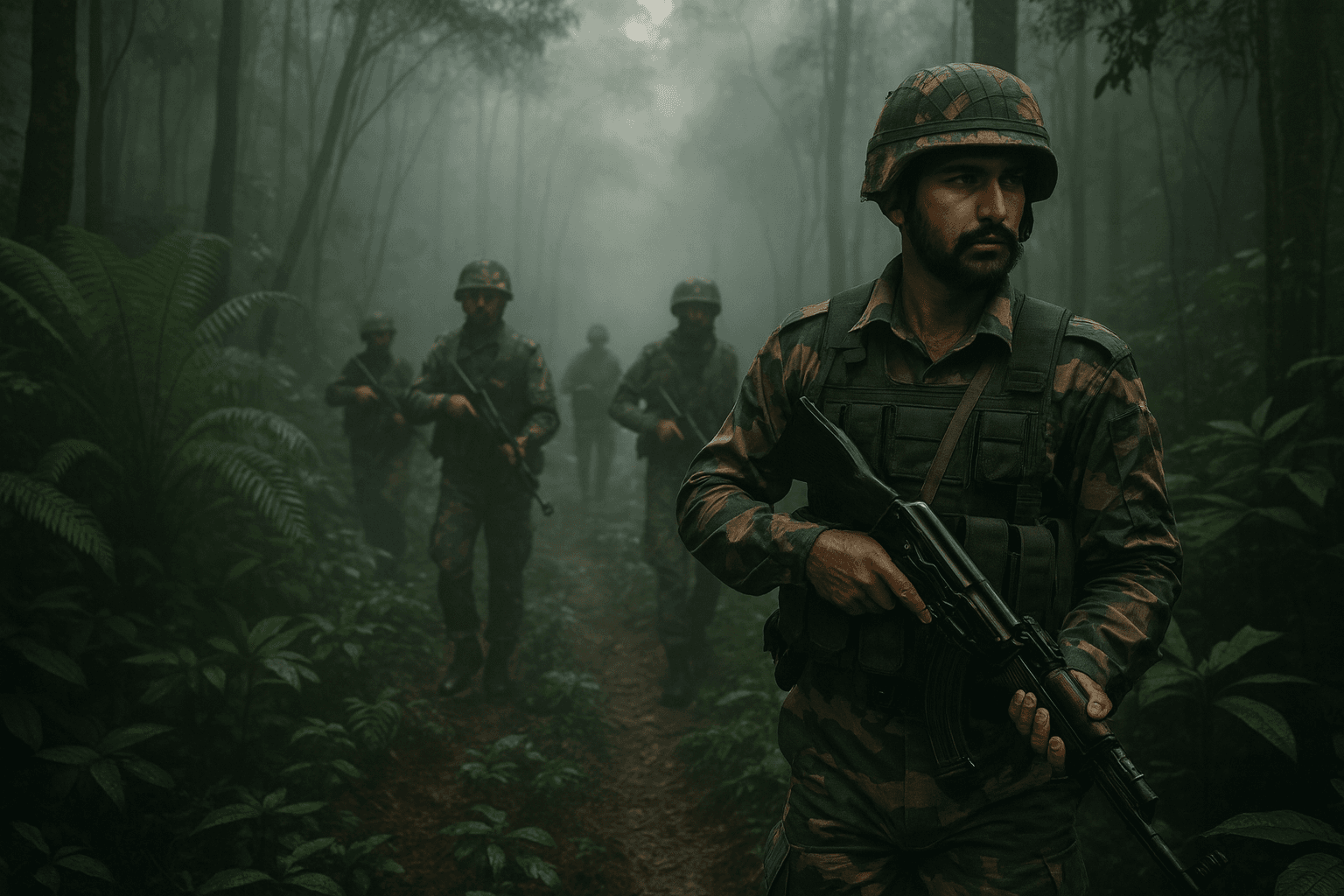
India now faces a complex security environment where conventional threats are merging with irregular challenges. From Chhattisgarh’s jungles to cyberspace, India’s security dilemmas reflect global conflict trends. These include a fusion of insurgency, cyber operations, and hybrid aggression, all blurring the lines between internal unrest and external threats. India Irregular Warfare: Blurring Conventional and Irregular…
Introducing Mao Zedong’s Principles of People’s War
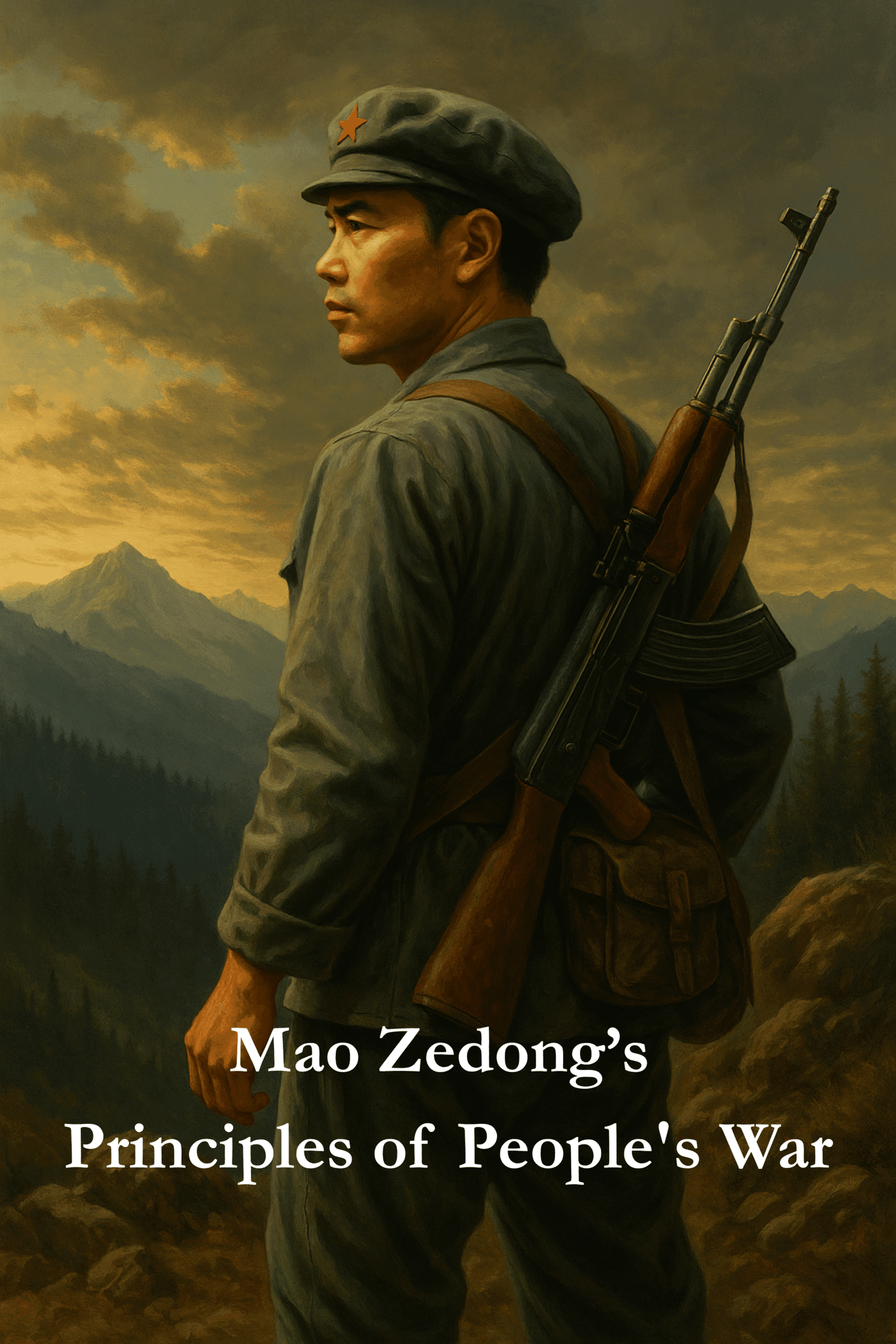
Mao Zedong’s Principles of People’s War is a comprehensive yet accessible guide to one of the most influential military doctrines of the 20th century. By distilling Mao’s revolutionary theories into their essential elements, this book offers readers a clear and concise understanding of guerrilla warfare, insurgency tactics, and the strategic principles that shaped conflicts across…
T.E. Lawrence
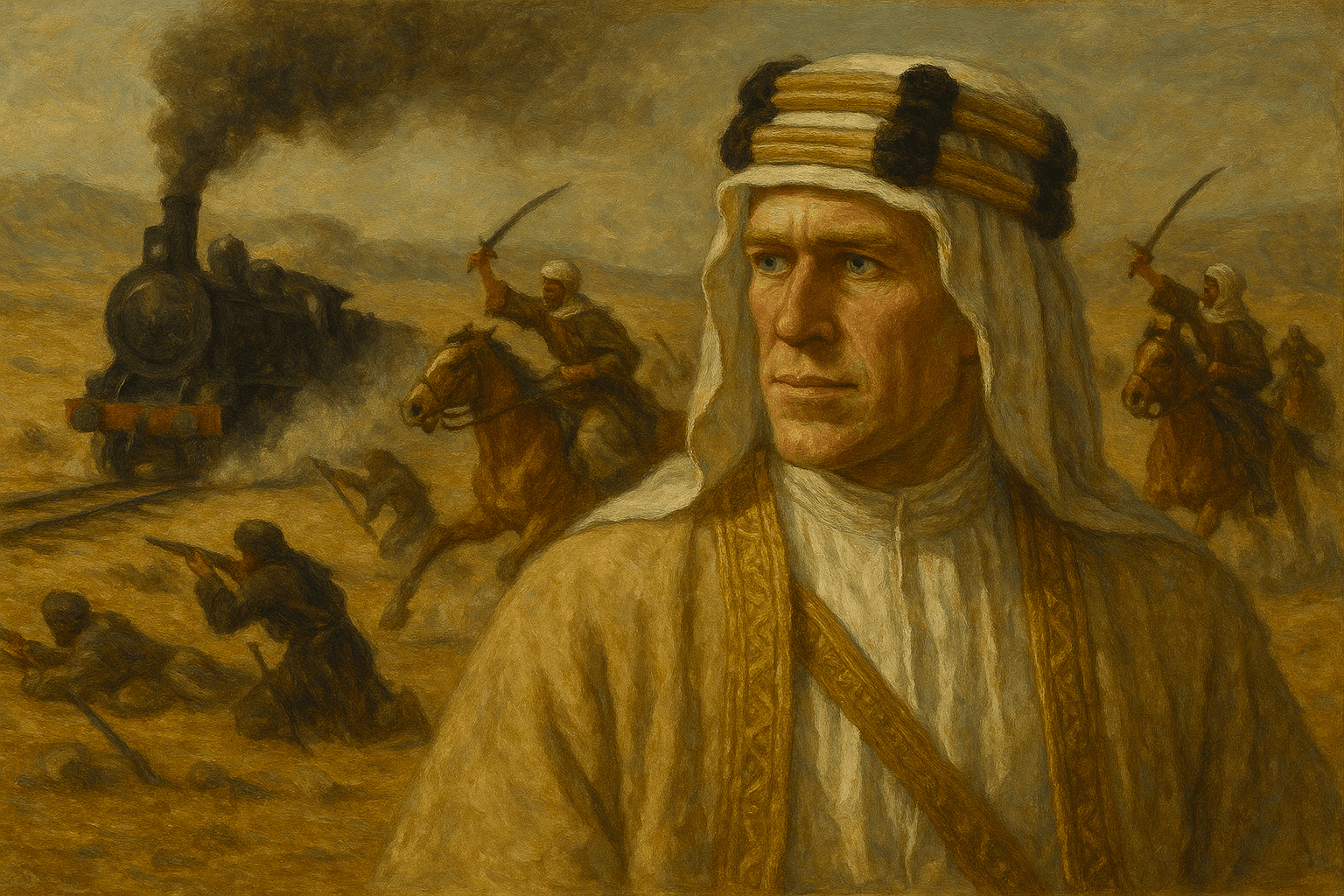
T.E. Lawrence, celebrated as Lawrence of Arabia, transformed the art of irregular warfare. His campaigns during the Arab Revolt against the Ottoman Empire combined strategic brilliance with cultural sensitivity, changing the way modern militaries think and operate. Operating in the harsh deserts of the Arabian Peninsula during World War I, Lawrence partnered with Bedouin tribes…
Mao Zedong’s Guerrilla Strategies
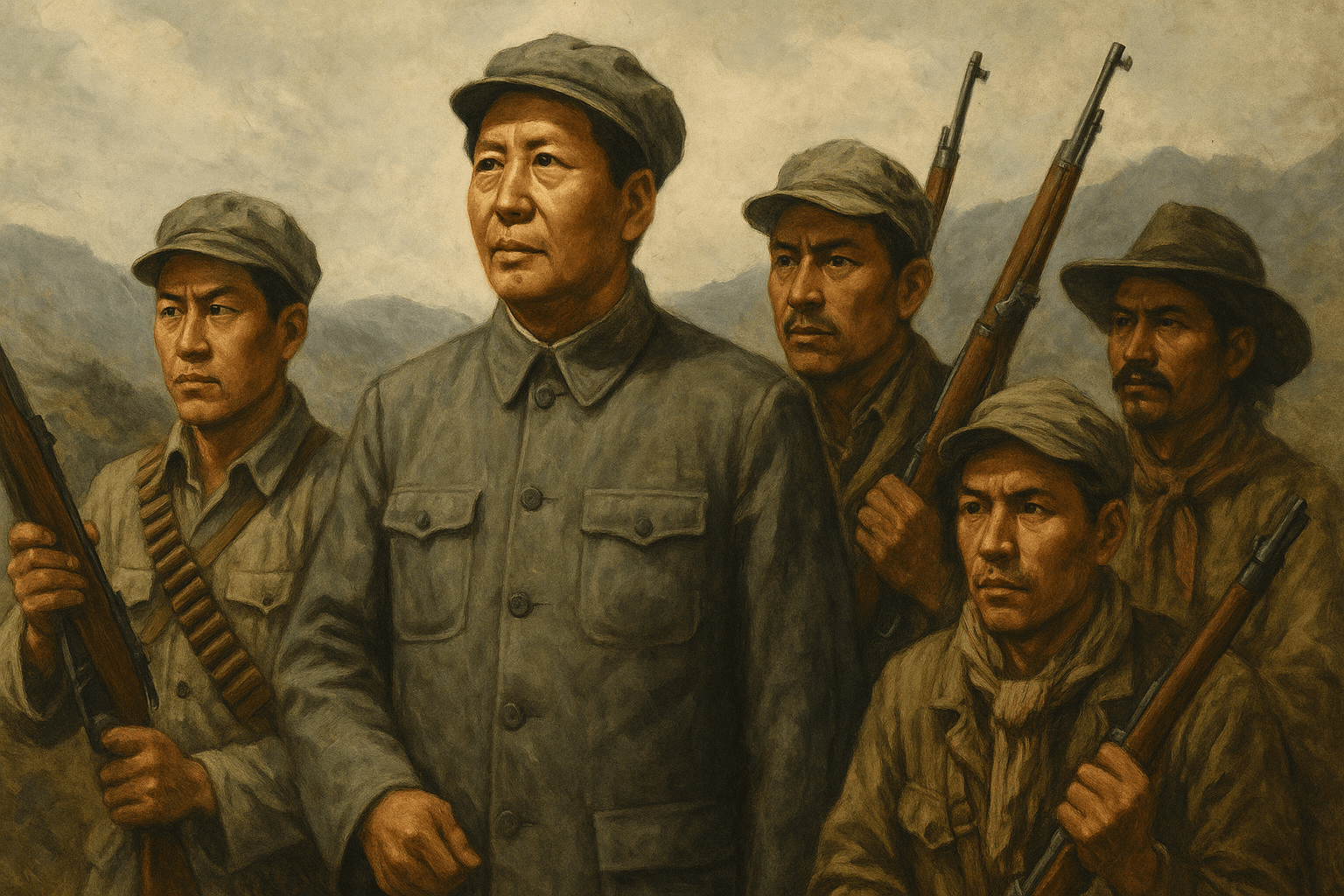
Mao Zedong and the Foundations of Guerrilla Warfare Mao Zedong reshaped 20th-century insurgency by fusing military tactics with political ideology and social mobilization. His doctrine of People’s War emphasized class power, protracted struggle, and the integration of political and military effort. These principles carried the Chinese Communist Party (CCP) through the Chinese Civil War and…
The Three Most Influential Thinkers in Counterinsurgency Theory

Counterinsurgency, often referred to as COIN, is a vital discipline within military and political science. It combines strategy, governance, and human behavior into a single operational framework aimed at defeating insurgent movements. These movements usually stem from deep political, economic, or social grievances that traditional military force alone cannot resolve. Counterinsurgency theory therefore extends beyond…
Guerrilla Ambush Tactics: How Resistance Fighters Use Terrain and Surprise

Guerrilla warfare thrives on one principle: never meet strength with strength. Victory belongs to those who master timing, terrain, and deception. Among the many tools in the irregular fighter’s arsenal, none delivers greater impact than the ambush. It is the most distilled expression of asymmetric warfare, swift, precise, and psychologically devastating. A well-executed ambush does…
Guerrilla Raids: Lessons from History for Irregular Warfare
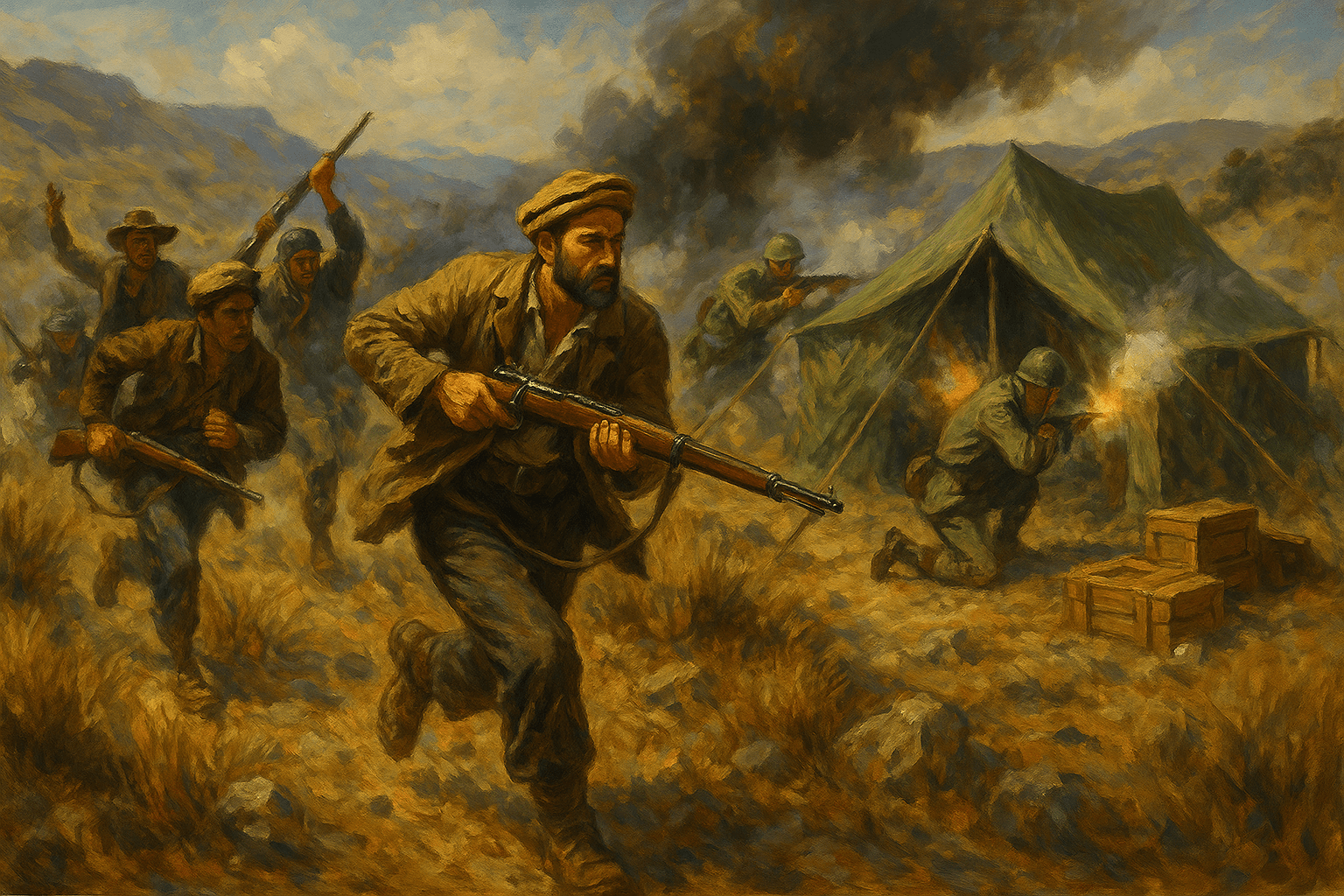
The Guerrilla Raid: Precision, Pressure, and Psychological Impact Guerrilla warfare depends on deception, mobility, and asymmetry. Few tactics embody these principles more clearly than the raid. When executed well, a raid can cripple enemy logistics, disrupt command nodes, and deliver a psychological shock that far exceeds its physical damage. But when executed poorly? A failed…