Latest posts
Easter Rising
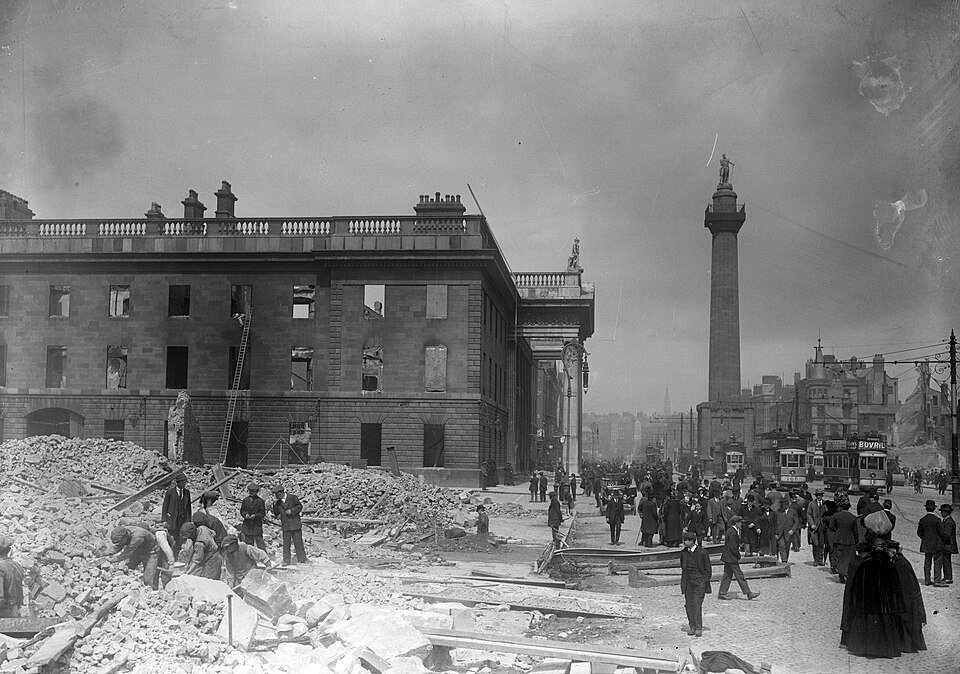
On Easter Sunday 2026, thousands gathered outside Dublin’s General Post Office (GPO) as President Catherine Connolly laid a wreath marking the 110th anniversary of the Easter Rising. Captain Eva Houlihan read the 1916 Proclamation from the same steps where Pádraig Pearse first declared an Irish republic, and military aircraft traced overhead paths that symbolize a
Cyber Security Differences Between States and Resistance Movements

Contributor COL (Ret.) Patrick D. Allen, Ph.D. COL (Ret.) Patrick D. Allen, Ph.D. is Associate Editor of the Cyber Defense Review, the U.S. Army’s peer-reviewed journal on cyberspace operations. He is the primary author of Chapter 4, “Resistance Security in the Cyber Domain,” in the USASOC publication Resistance and the Cyber Domain, part of the
What Is Non-Violent Resistance?

Nonviolent resistance — also called civil resistance, nonviolent action, or nonviolent struggle — is a method of waging conflict in which unarmed civilians use coordinated tactics to challenge power, resist oppression, and achieve political or social change without resorting to physical violence. These tactics range from symbolic protests and boycotts to mass non-cooperation, civil disobedience,
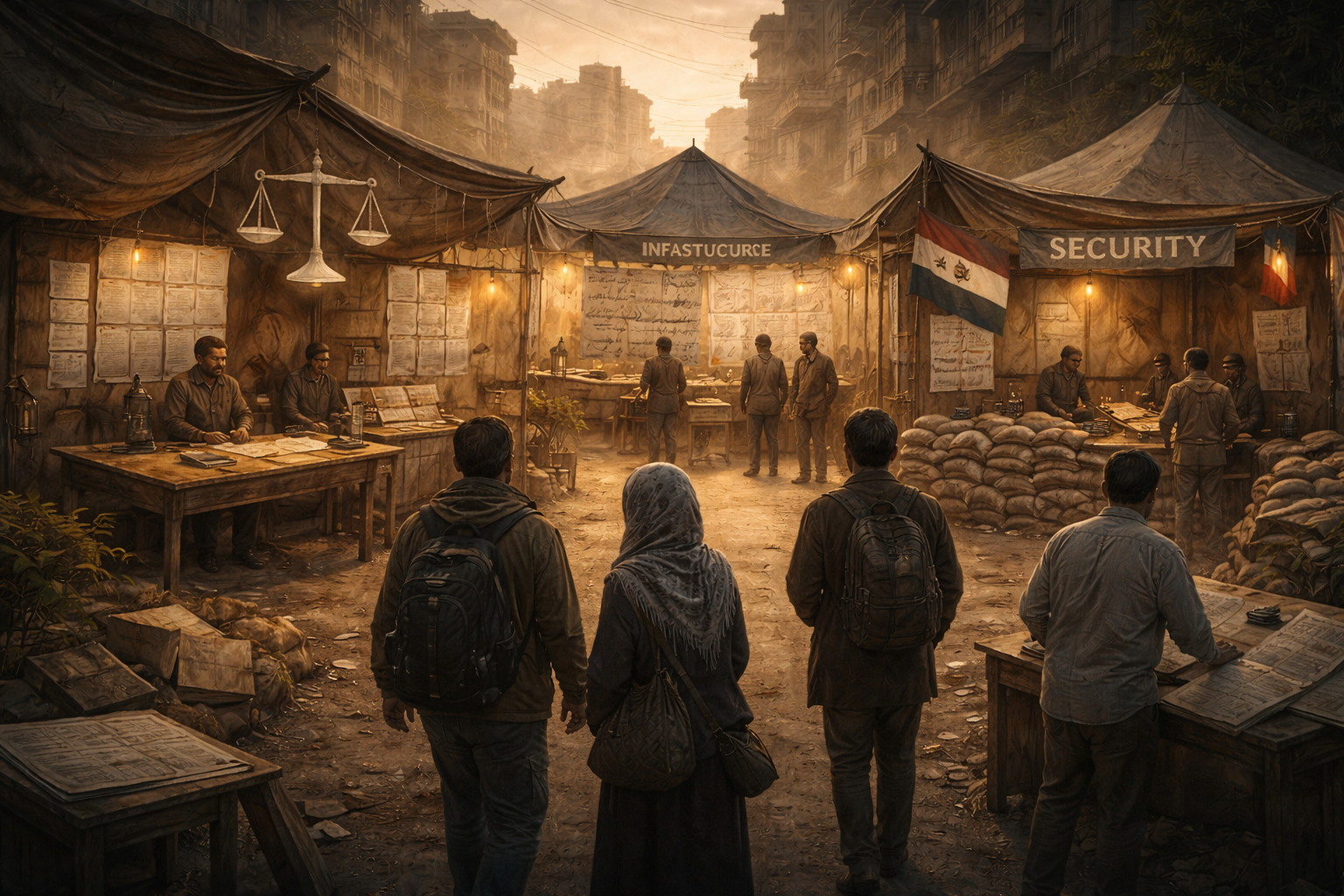
State-Insurgent Strategic Competition for Governance
Contributor MOE GYO Moe Gyo is a writer and consultant working with ethnic organizations in Myanmar. Writing from the Thai–Myanmar borderlands, he draws on years of direct engagement with communities shaped by conflict and disrupted health systems. His work captures firsthand how resilience and informal support networks develop under prolonged irregular warfare. His writing has
Venezuela Contingency Operation: Resistance Potential and Irregular Warfare Risk
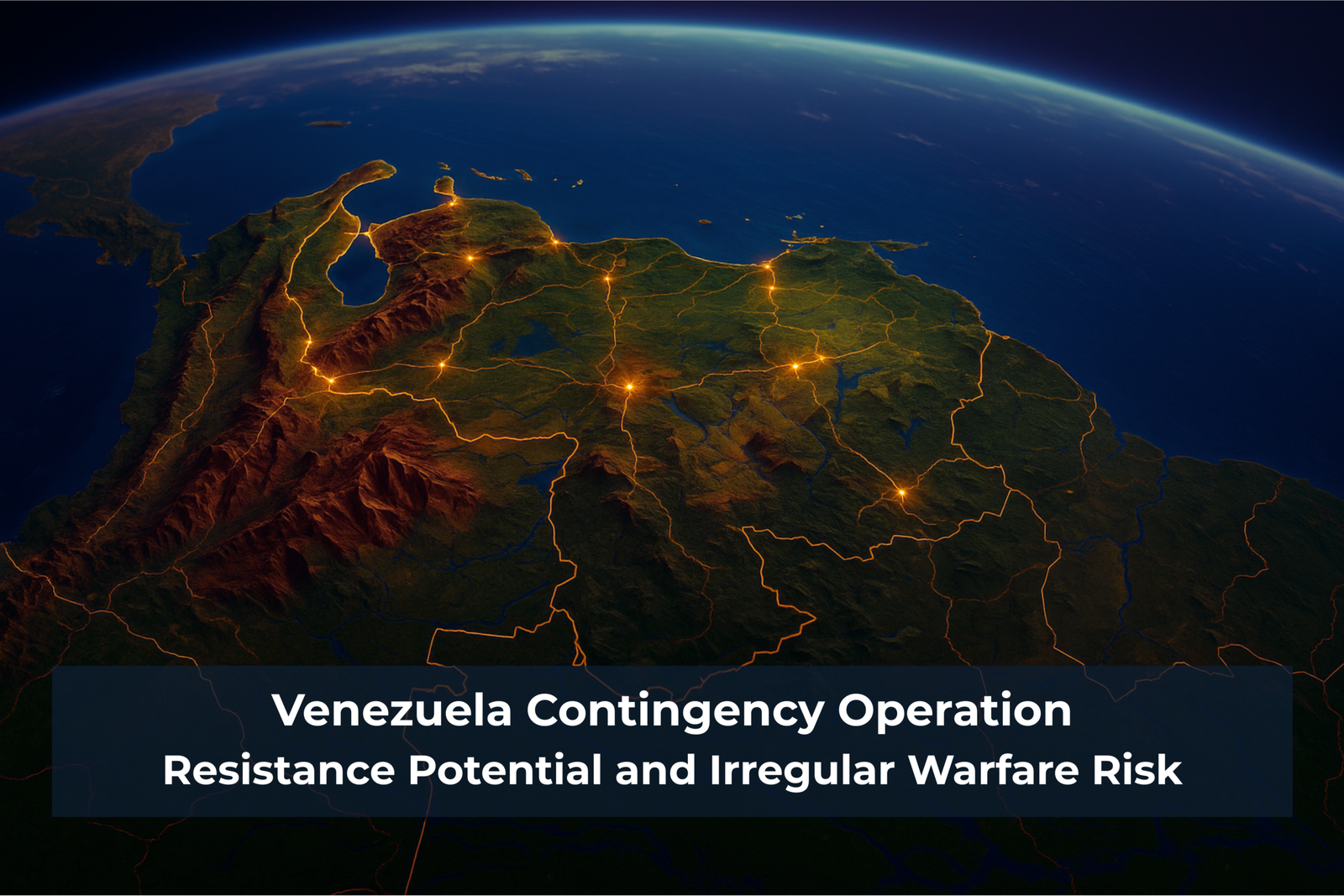
Update (January 2026): In a major escalation of U.S.–Venezuelan tensions, U.S. special operations forces conducted a surprise military operation in early January 2026 that resulted in the capture and removal of Venezuelan President Nicolás Maduro and his wife from Caracas; both were transported to New York to face federal narco-terrorism charges. Maduro’s departure has created
China’s Fishing Flotillas as Paramilitary Economic Warfare

In the darkness of the eastern Pacific, a floating city of light drifts beyond Ecuador’s territorial waters. Hundreds of Chinese fishing vessels illuminate the horizon, their floodlights cutting through the night while satellite transponders flicker off one by one. To the untrained eye, this looks like ordinary commerce. To regional navies and maritime analysts, it
A Tale of Two Campaigns: Domain Dominance and Divergent Doctrines in the War for Ukraine
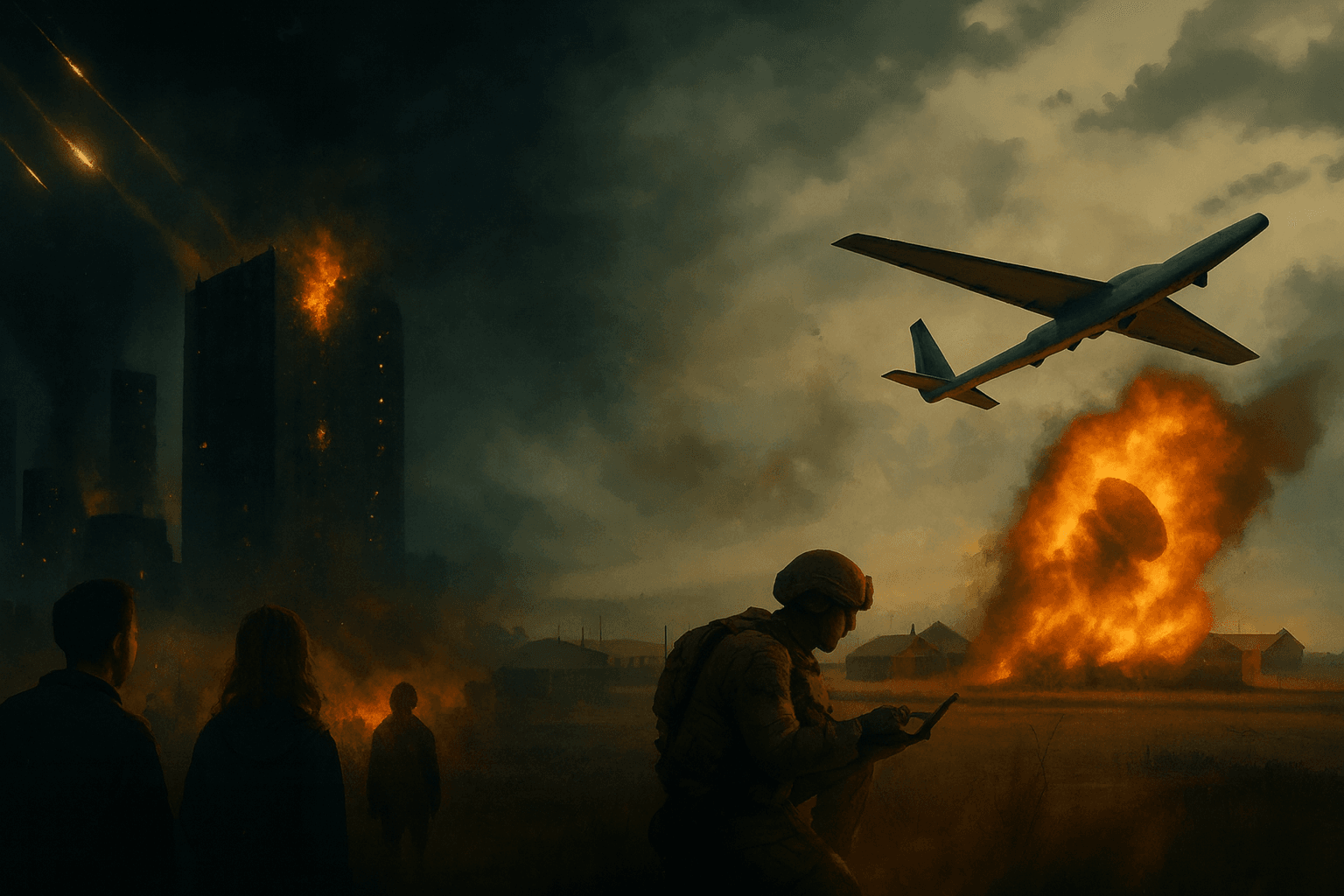
In recent weeks, Ukraine executed long-range drone strikes that disabled or destroyed over 40 Russian strategic aircraft across bases deep inside Russian territory. These strikes were not symbolic—they were targeted disruptions of Russia’s strike capacity. Meanwhile, Russia continues to fire missiles and drones at Ukrainian cities, hitting apartment buildings, energy infrastructure, and hospitals. These two
Crossing the Line of Control: How Irregular and Hybrid Warfare Could Shape a Renewed India-Pakistan Confrontation
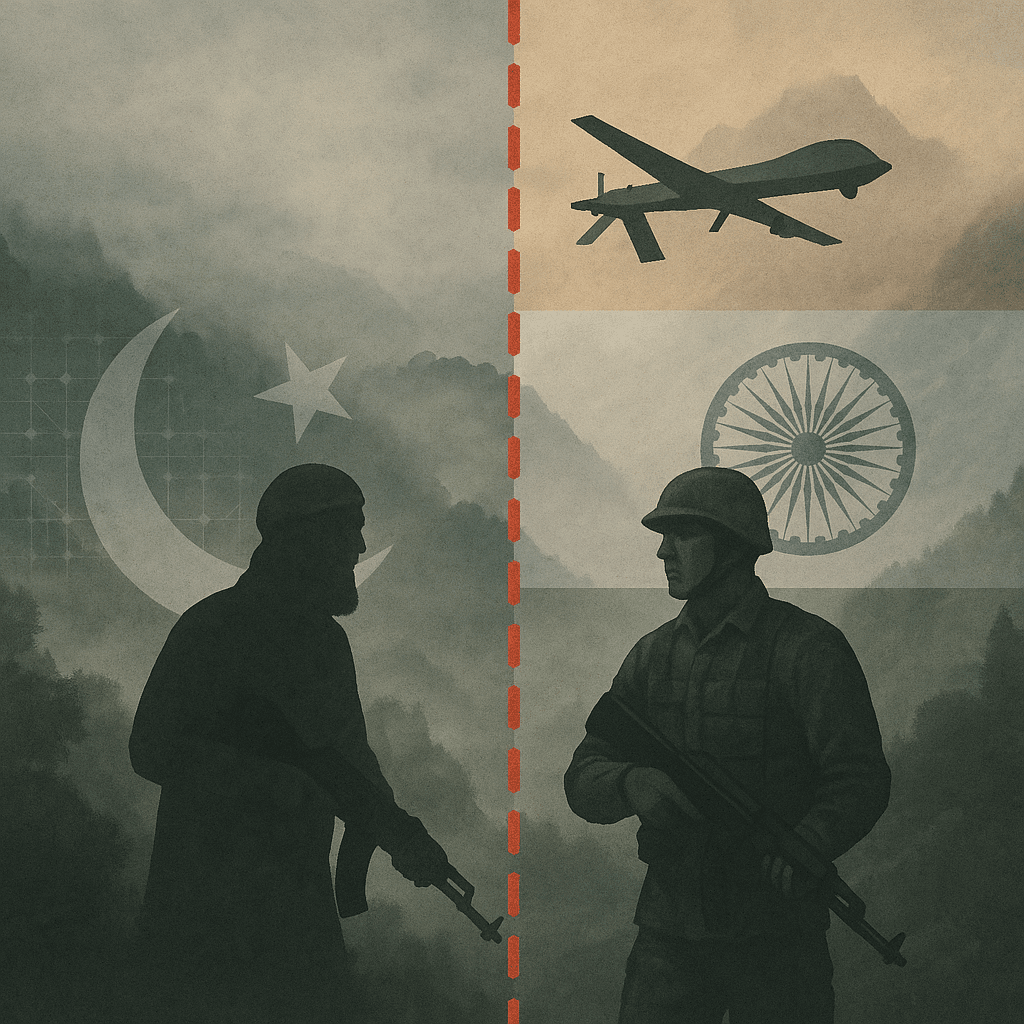
The Resistance Hub does not take positions on the India–Pakistan conflict or advocate for the use of force by any actor. This article analyzes irregular, asymmetric, hybrid, and unconventional warfare dimensions of the 2025 India-Pakistan confrontation. All assessments are based solely on publicly available information. The goal is to understand how non-conventional strategies were used