Latest posts
Influence in Irregular Warfare: The Power Behind Legitimacy and Resistance

Influence is the quiet power that determines how wars are fought and remembered. Long before tanks move or alliances form, beliefs are shaped, quietly, continuously, and often without awareness. In irregular warfare and resistance movements, this invisible contest decides legitimacy, cohesion, and endurance. Fighters may hold ground for a season, but narratives hold populations for
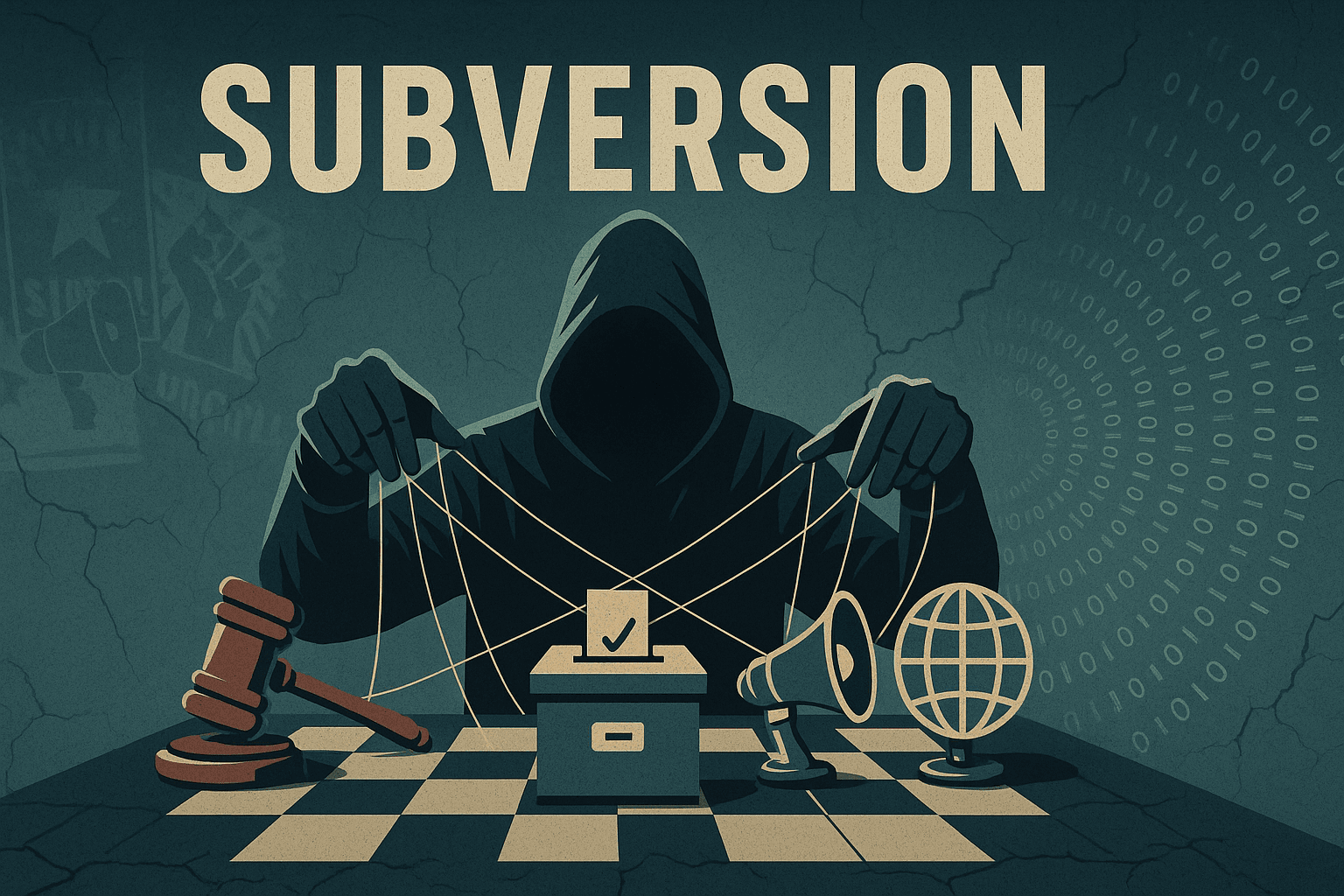
Subversion: Unseen Forces That Reshape History
Subversion has shaped the destinies of nations, altering history without requiring open conflict or conventional warfare. Unlike direct sabotage or military action, it works quietly and indirectly. Subversion infiltrates institutions, shifts public opinion, and reshapes ideologies from within. Its power lies in stealth, not speed. By patiently exploiting internal weaknesses, it slowly erodes authority without
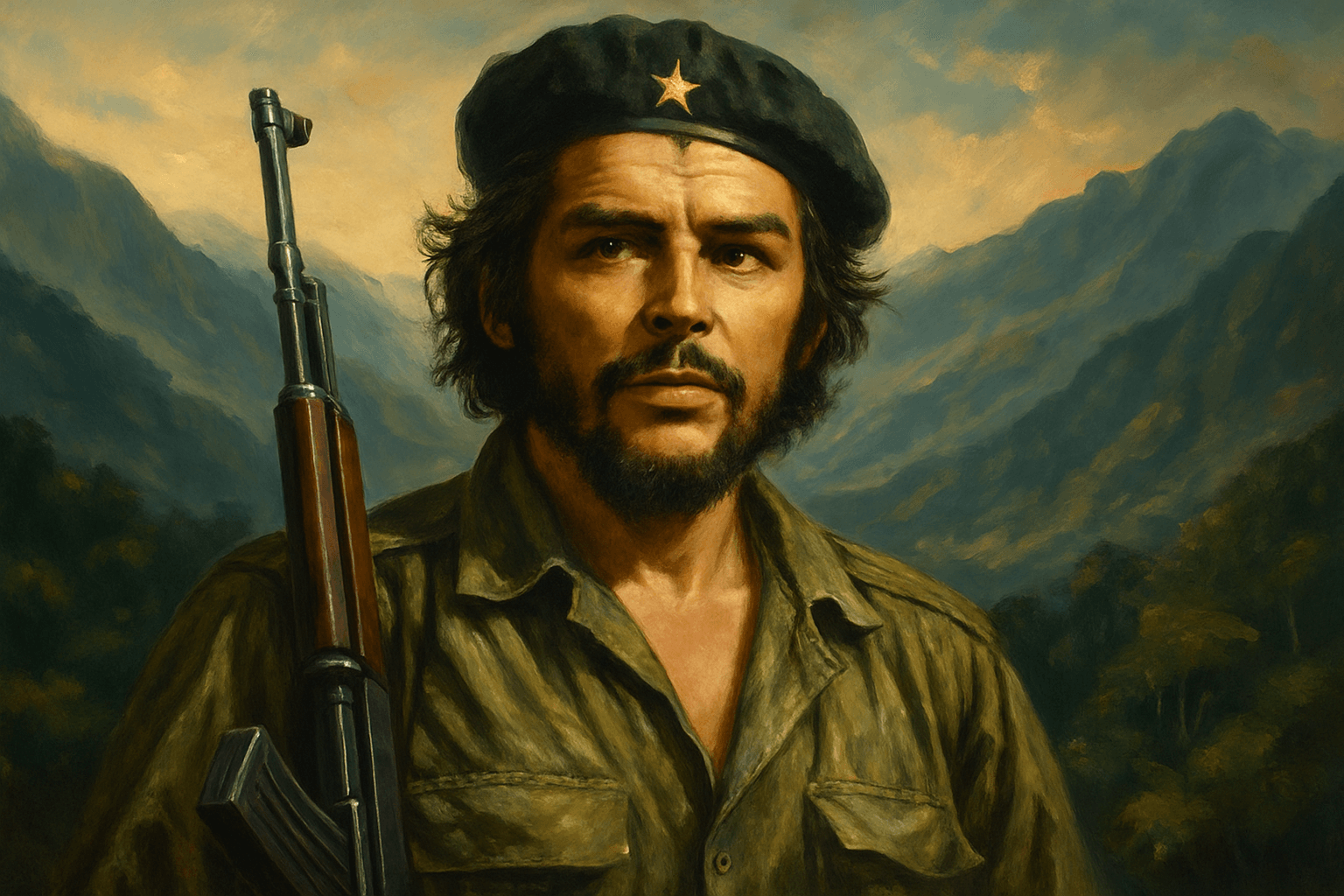
The Revolutionary Strategies of Che Guevara
Che Guevara: Revolutionary Icon, Guerrilla Strategist, and Controversial Legacy Few figures in modern history evoke as much debate as Ernesto “Che” Guevara. His name is often linked to revolution, guerrilla warfare, and defiance against imperialism. Yet the iconic image on T-shirts and protest banners only scratches the surface. Behind the symbol was a complex strategist
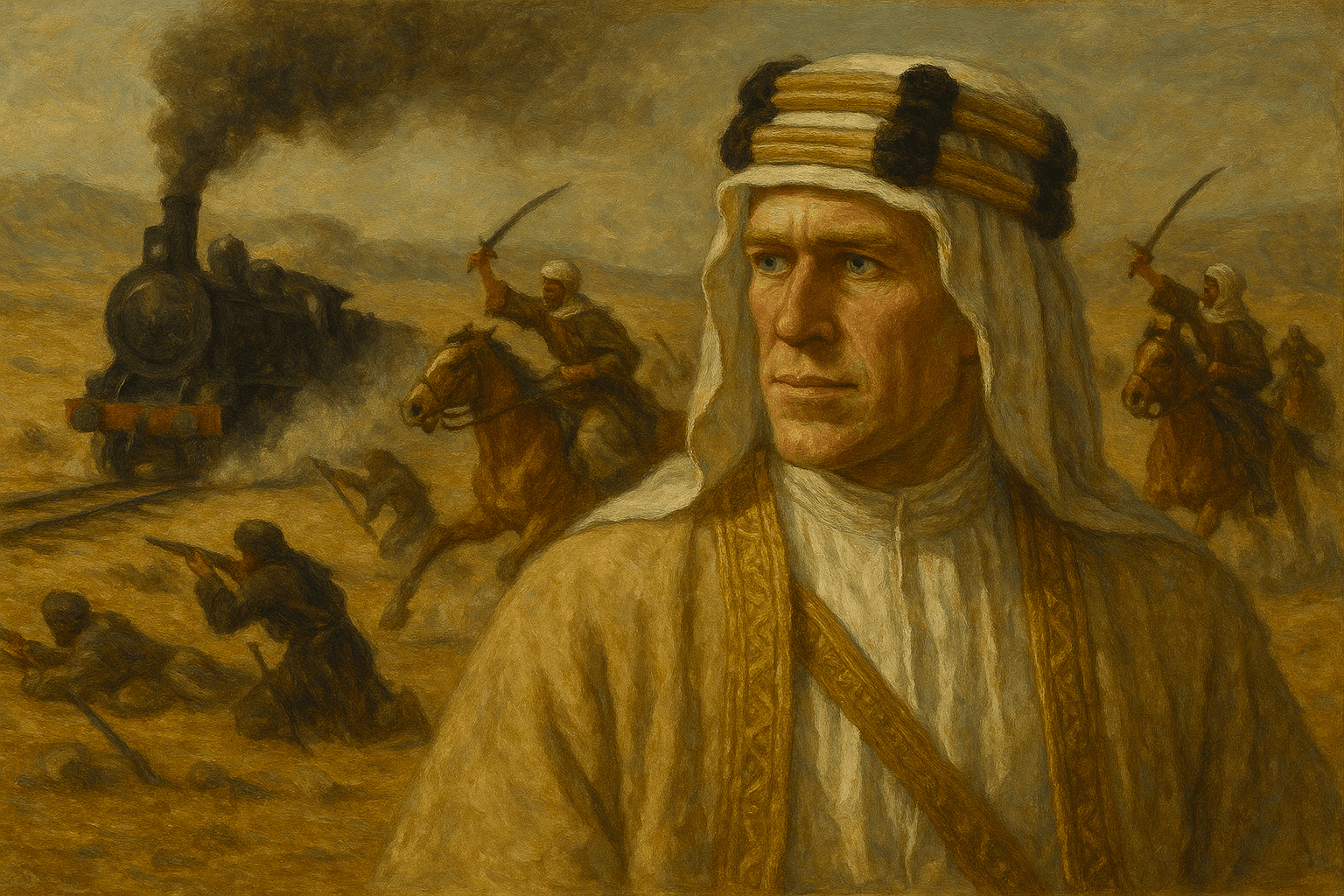
T.E. Lawrence
T.E. Lawrence, celebrated as Lawrence of Arabia, transformed the art of irregular warfare. His campaigns during the Arab Revolt against the Ottoman Empire combined strategic brilliance with cultural sensitivity, changing the way modern militaries think and operate. Operating in the harsh deserts of the Arabian Peninsula during World War I, Lawrence partnered with Bedouin tribes
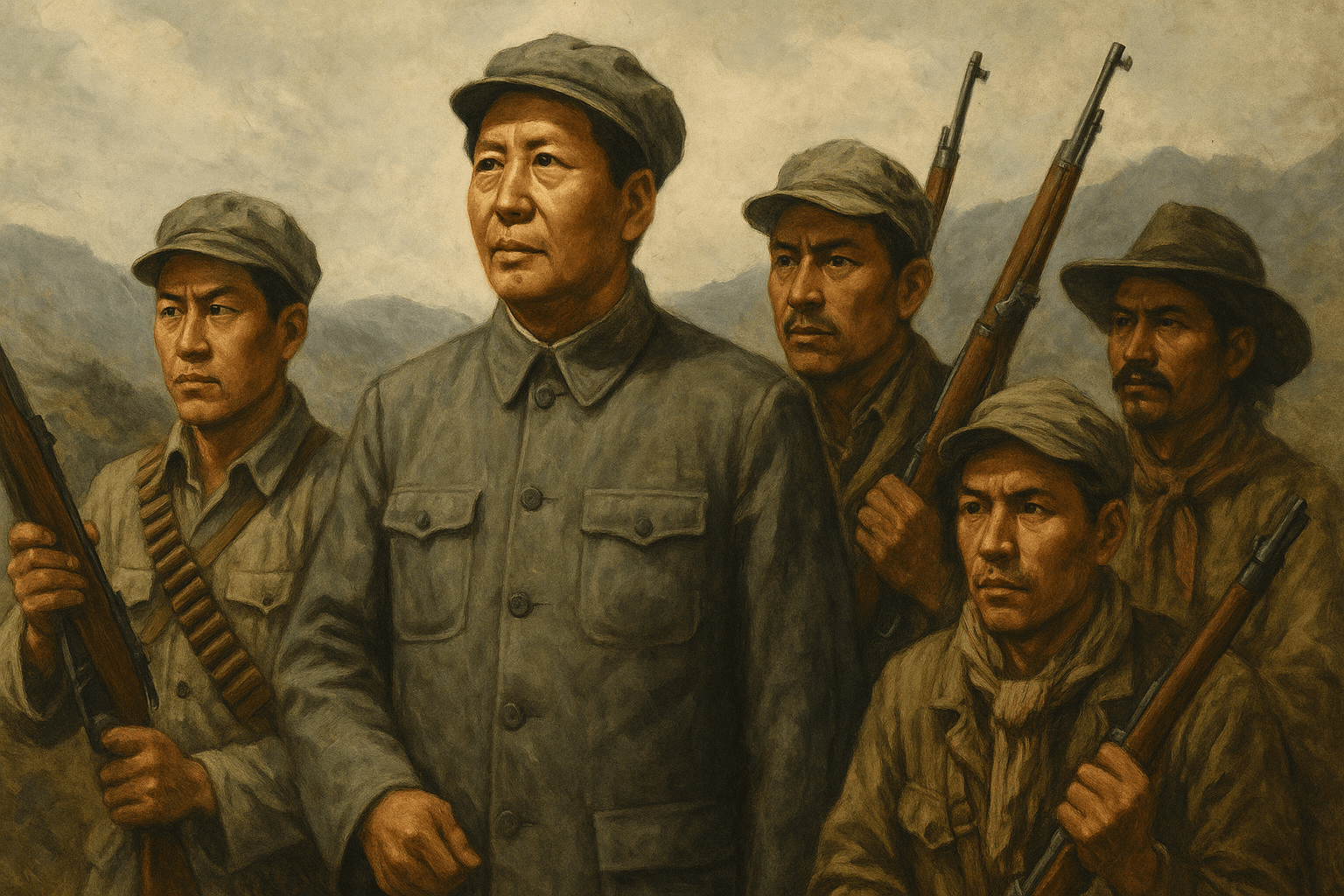
Mao Zedong’s Guerrilla Strategies
Mao Zedong and the Foundations of Guerrilla Warfare Mao Zedong revolutionized 20th-century insurgency by blending military tactics with political ideology and social mobilization. His strategy—especially the idea of People’s War—emphasized class power, protracted struggle, and political-military integration. These principles helped the Chinese Communist Party win the Chinese Civil War. They later influenced guerrilla movements in
The Three Most Influential Thinkers in Counterinsurgency Theory
Counterinsurgency, often referred to as COIN, is a vital discipline within military and political science. It combines strategy, governance, and human behavior into a single operational framework aimed at defeating insurgent movements. These movements usually stem from deep political, economic, or social grievances that traditional military force alone cannot resolve. Counterinsurgency theory therefore extends beyond
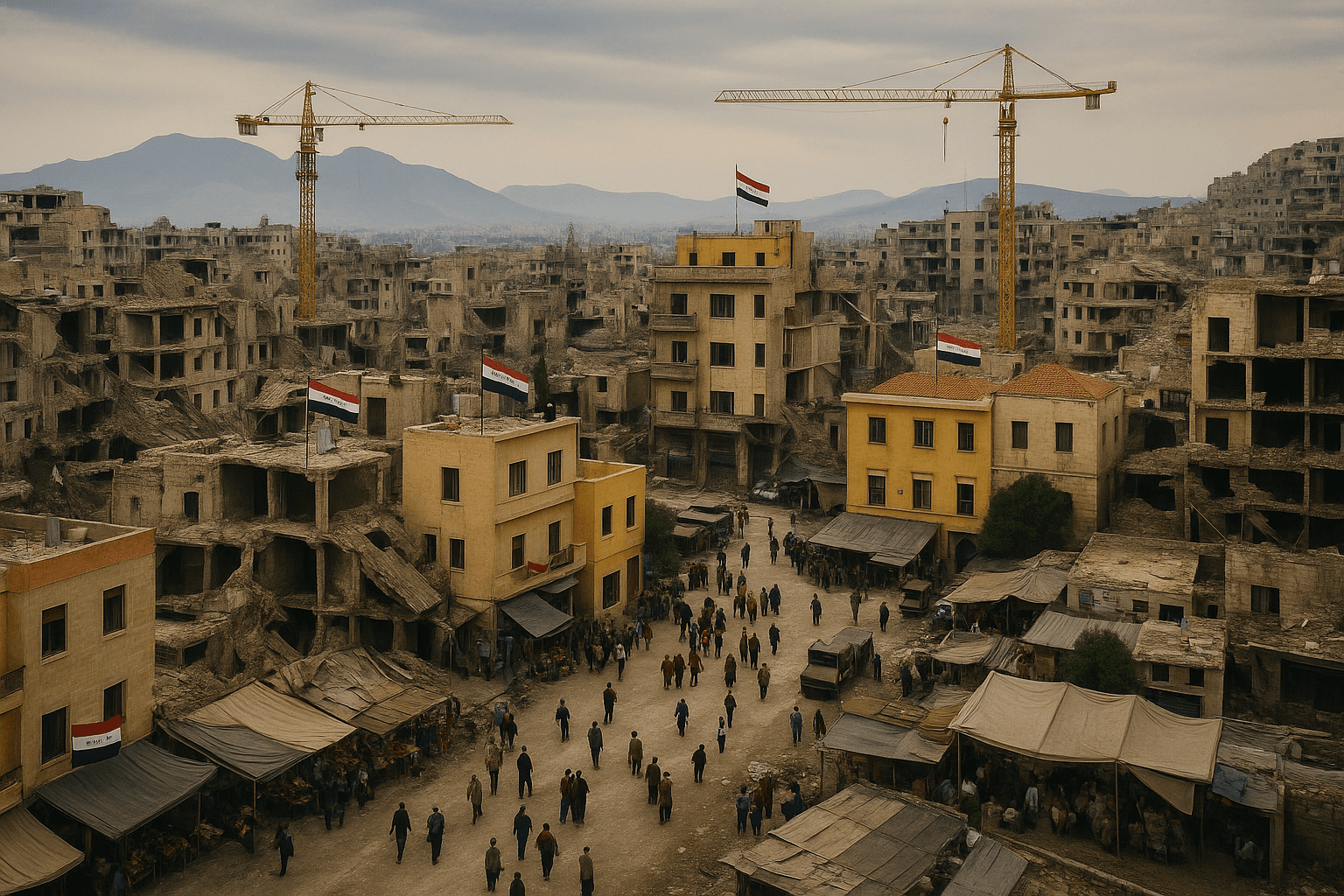
What’s Next For Syria
When the guns fall silent, the battle for a country’s future begins. The history of post-conflict transitions shows that what happens after the fighting can be as decisive as the war itself. Poorly managed transitions can lead to chaos, extremist resurgence, and renewed bloodshed. Well-structured ones can stabilize a nation and open a path to
Reconnaissance
The Art of Reconnaissance in Guerrilla Warfare Reconnaissance is the heartbeat of guerrilla warfare. A resistance force can endure shortages of weapons, ammunition, or equipment—but never a shortage of intelligence. Knowing when to strike, when to disappear, and how to read the enemy’s movements separates survival from annihilation. In irregular warfare, reconnaissance is not a