
Irregular Warfare
Irregular warfare is the contest for influence over a population, fought by state and non-state actors with means that sit below the threshold of conventional war. It includes insurgency and counterinsurgency, resistance and unconventional warfare, sabotage, subversion, guerrilla operations, and the information and economic pressure that surround them. The front line is the legitimacy of whoever governs, and the terrain is as much political and psychological as it is physical.
This category holds the site’s analysis of that contest: sixty articles covering doctrine, history, and current operations. The doctrinal core comes from open US and allied sources. The Assessing Revolutionary and Insurgent Strategies (ARIS) studies set out how undergrounds, auxiliaries, and guerrilla forces form and function. The Resistance Operating Concept frames how a small state prepares its population to resist occupation. The OSS manuals show how the first American unconventional warfare organization trained for sabotage, intelligence, and work with partisan forces. Each has its own reference page on the site, and the articles here apply those frameworks to specific cases.
The historical pieces trace the pattern across a century: Mao Zedong’s protracted war and the three-stage model it produced, T.E. Lawrence in the Hejaz, the Baltic Forest Brothers, the Kurdish movement, Latin American insurgencies, and the resistance networks of occupied Europe. The contemporary pieces look at hybrid and grey zone activity: Russian sabotage in Europe, maritime militia and economic coercion, drone warfare in Ukraine, and the recruitment of foreign nationals into proxy conflicts.
Read in order of interest. For the frameworks, start with ARIS and the Resistance Operating Concept. For the tactical layer, the sabotage page and the guerrilla ambush and reconnaissance primers. For a single historical case that shows the whole arc, the Forest Brothers. The glossary defines the terms as they are used here, and the Essential Books page lists the works the analysis draws on.
The analysis is written for practitioners, students, and planners who need to understand how irregular conflict is organized, resourced, and resolved.
Breaking Free: How the Baltic States Disconnected from Russia’s Power Grid and What It Means for Security
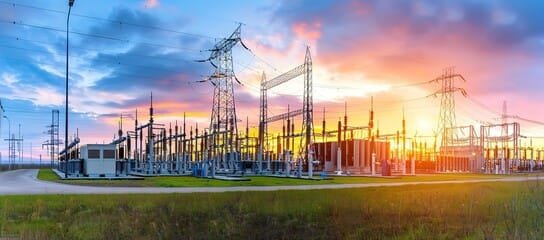
The Baltic disconnection from the BRELL system is best understood as a move in the long contest over critical infrastructure as terrain in hybrid conflict. Severing the physical dependence on Moscow’s grid closed one vulnerability and opened another, since the new interconnectors to the European system run through the same Baltic seabed where undersea cables…
Irregular Warfare Solutions for Wildfire Response
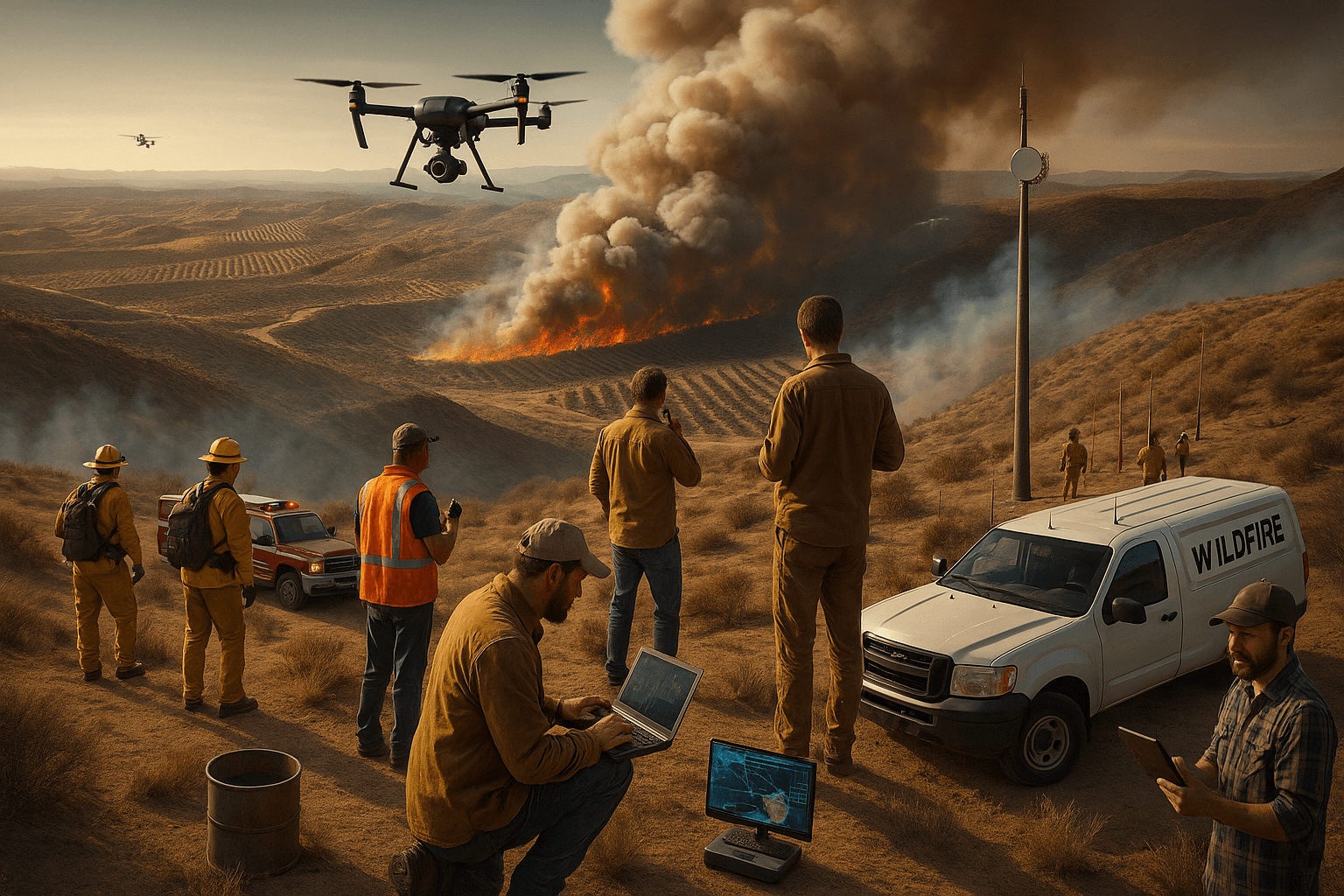
A Fire on Raven Ridge: A Case for Decentralized Wildfire Response The late summer sun hung low over Raven Ridge, casting long shadows across the dry brushland. It had been an unusually hot season, and the ridge, a well-known fire-prone area at the edge of the Wildland-Urban Interface (WUI), had become a tinderbox. Around 3:12…
Indicators of Invasion: How to Recognize Military Build-Up Before an Attack

Updated August 2026 Developments since publication: The December 2025 Pentagon China Military Power Report confirmed China continues building capabilities to meet Xi Jinping’s 2027 readiness benchmark for a Taiwan contingency. China’s “Justice Mission 2025” exercises (December 29 to 30, 2025) were its largest Taiwan-focused drills to date, simulating island encirclement with live-fire elements. Meanwhile, extensive…
Modern Guerrilla Warfare: Colombia, Myanmar and Lebanon
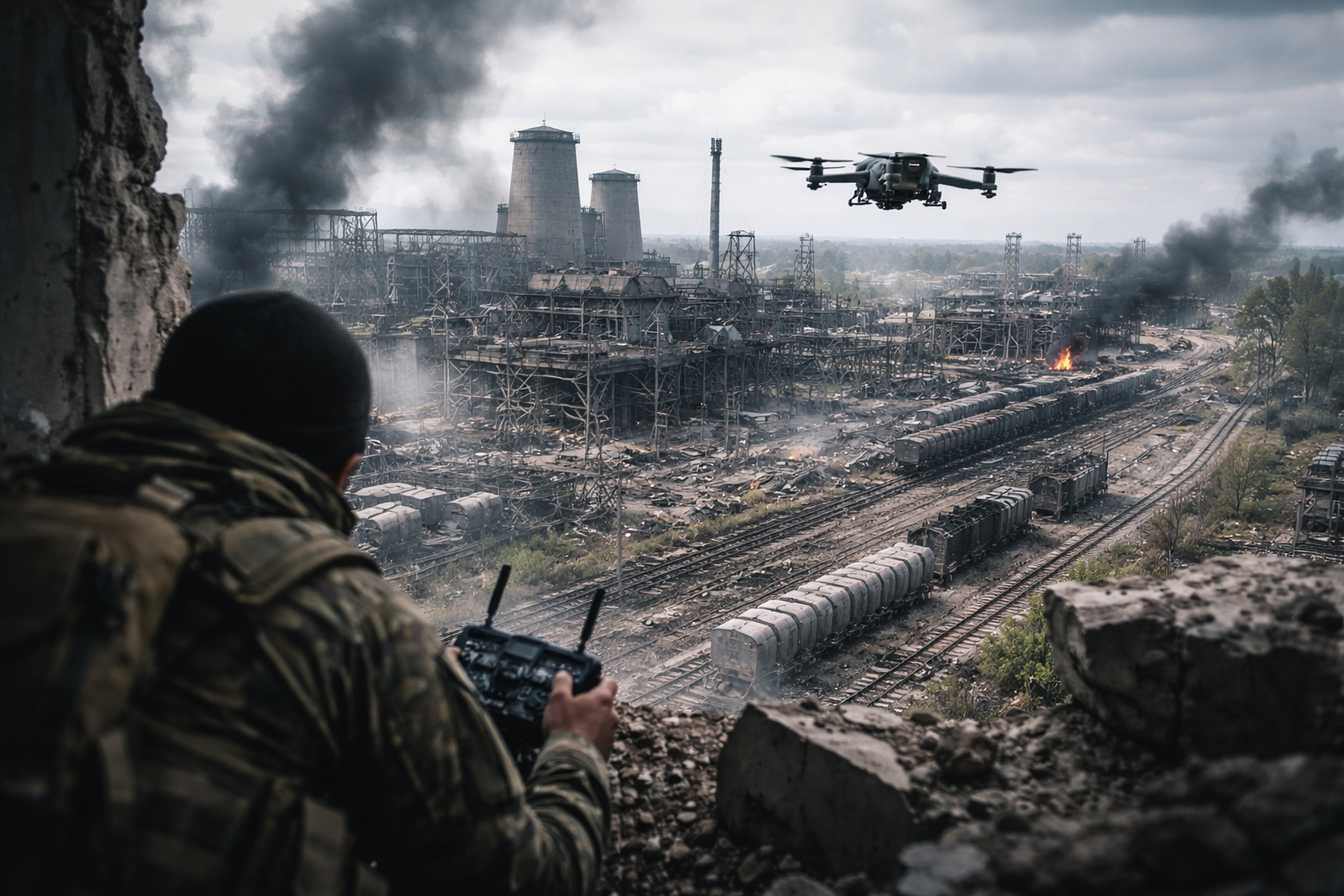
Guerrilla warfare in 2025 was defined by three campaigns: Colombia’s collapsing peace process, Myanmar’s shift from insurgency toward conventional operations, and Hezbollah’s forced return to cell-based tactics after its 2024 losses. This article is a dated record of where each stood at the start of that year, with a status panel below covering what has…
Irregular Warfare During Jimmy Carter’s Presidency
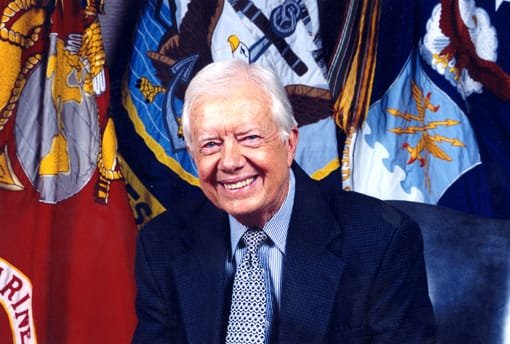
The presidency of Jimmy Carter (1977 to 1981) coincided with a global wave of irregular warfare that stretched from the mountains of Afghanistan to the jungles of Central America. Carter entered office promising a foreign policy rooted in human rights. He left it having authorized covert operations, weathered a hostage crisis that defined his presidency,…
Influence in Irregular Warfare: The Power Behind Legitimacy and Resistance

Influence is the quiet power that determines how wars are fought and remembered. Long before tanks move or alliances form, beliefs are shaped quietly, continuously, and often without awareness. In irregular warfare and resistance movements, this invisible contest decides legitimacy, cohesion, and endurance. Fighters may hold ground for a season, but narratives hold populations for…
The Revolutionary Strategies of Che Guevara
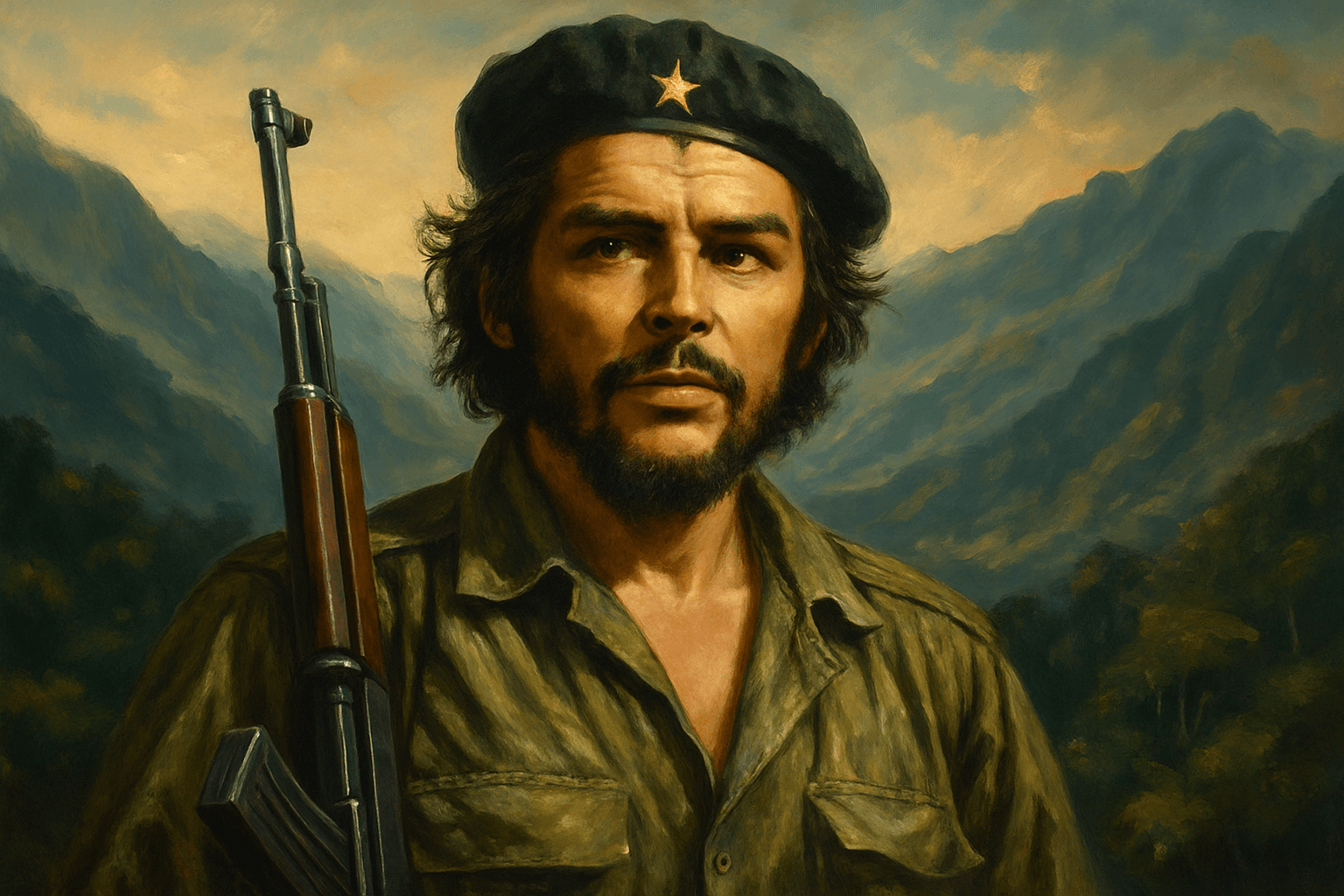
Che Guevara: Revolutionary Icon, Guerrilla Strategist, and Controversial Legacy Few figures in modern history evoke as much debate as Ernesto “Che” Guevara. His name is often linked to revolution, guerrilla warfare, and defiance against imperialism. Yet the iconic image on T-shirts and protest banners only scratches the surface. Behind the symbol was a complex strategist…
T.E. Lawrence
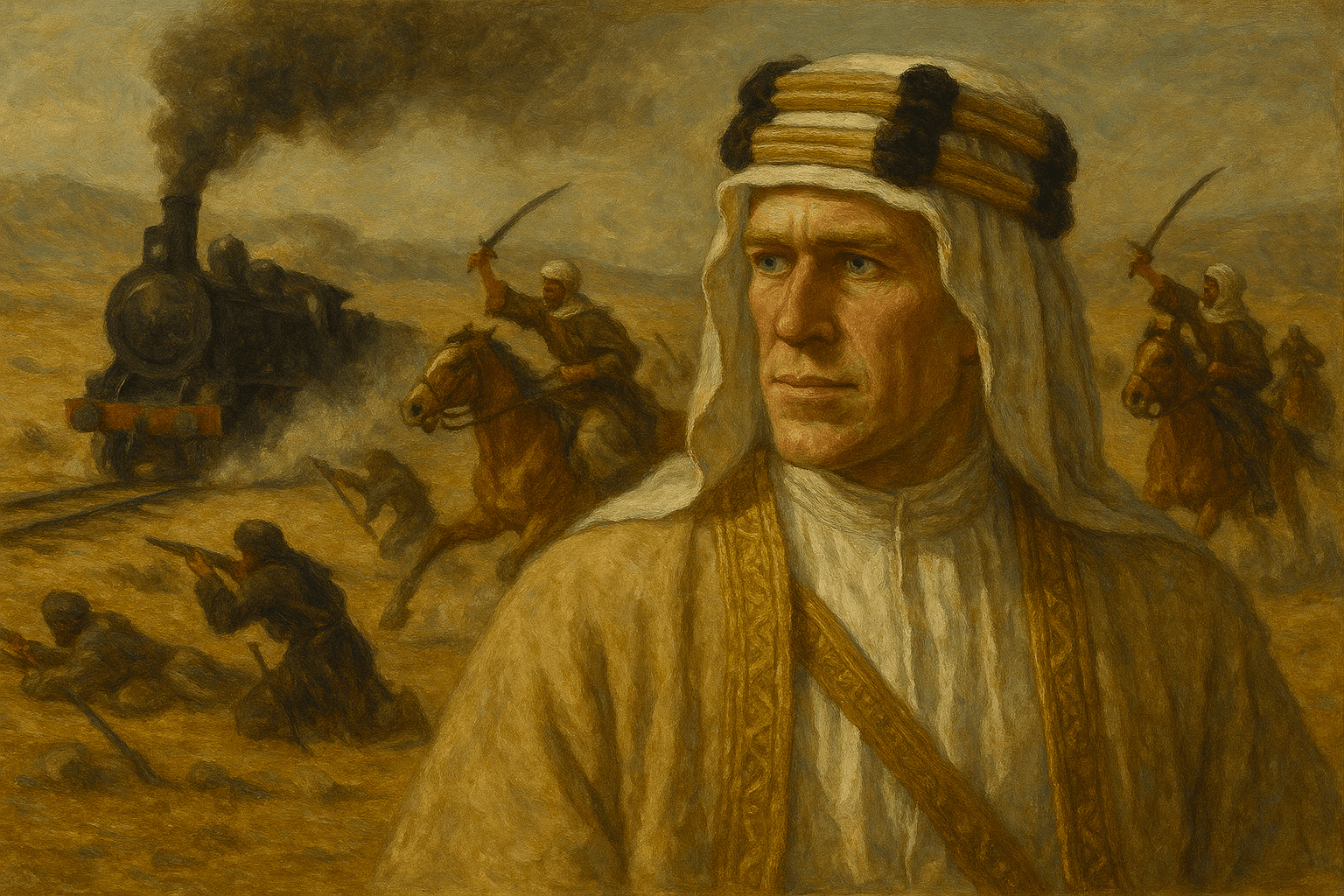
T.E. Lawrence, celebrated as Lawrence of Arabia, transformed the art of irregular warfare. His campaigns during the Arab Revolt against the Ottoman Empire combined strategic brilliance with cultural sensitivity, changing the way modern militaries think and operate. Operating in the harsh deserts of the Arabian Peninsula during World War I, Lawrence partnered with Bedouin tribes…