
Irregular Warfare
Irregular warfare is the contest for influence over a population, fought by state and non-state actors with means that sit below the threshold of conventional war. It includes insurgency and counterinsurgency, resistance and unconventional warfare, sabotage, subversion, guerrilla operations, and the information and economic pressure that surround them. The front line is the legitimacy of whoever governs, and the terrain is as much political and psychological as it is physical.
This category holds the site’s analysis of that contest: sixty articles covering doctrine, history, and current operations. The doctrinal core comes from open US and allied sources. The Assessing Revolutionary and Insurgent Strategies (ARIS) studies set out how undergrounds, auxiliaries, and guerrilla forces form and function. The Resistance Operating Concept frames how a small state prepares its population to resist occupation. The OSS manuals show how the first American unconventional warfare organization trained for sabotage, intelligence, and work with partisan forces. Each has its own reference page on the site, and the articles here apply those frameworks to specific cases.
The historical pieces trace the pattern across a century: Mao Zedong’s protracted war and the three-stage model it produced, T.E. Lawrence in the Hejaz, the Baltic Forest Brothers, the Kurdish movement, Latin American insurgencies, and the resistance networks of occupied Europe. The contemporary pieces look at hybrid and grey zone activity: Russian sabotage in Europe, maritime militia and economic coercion, drone warfare in Ukraine, and the recruitment of foreign nationals into proxy conflicts.
Read in order of interest. For the frameworks, start with ARIS and the Resistance Operating Concept. For the tactical layer, the sabotage page and the guerrilla ambush and reconnaissance primers. For a single historical case that shows the whole arc, the Forest Brothers. The glossary defines the terms as they are used here, and the Essential Books page lists the works the analysis draws on.
The analysis is written for practitioners, students, and planners who need to understand how irregular conflict is organized, resourced, and resolved.
Mao Zedong’s Guerrilla Strategies
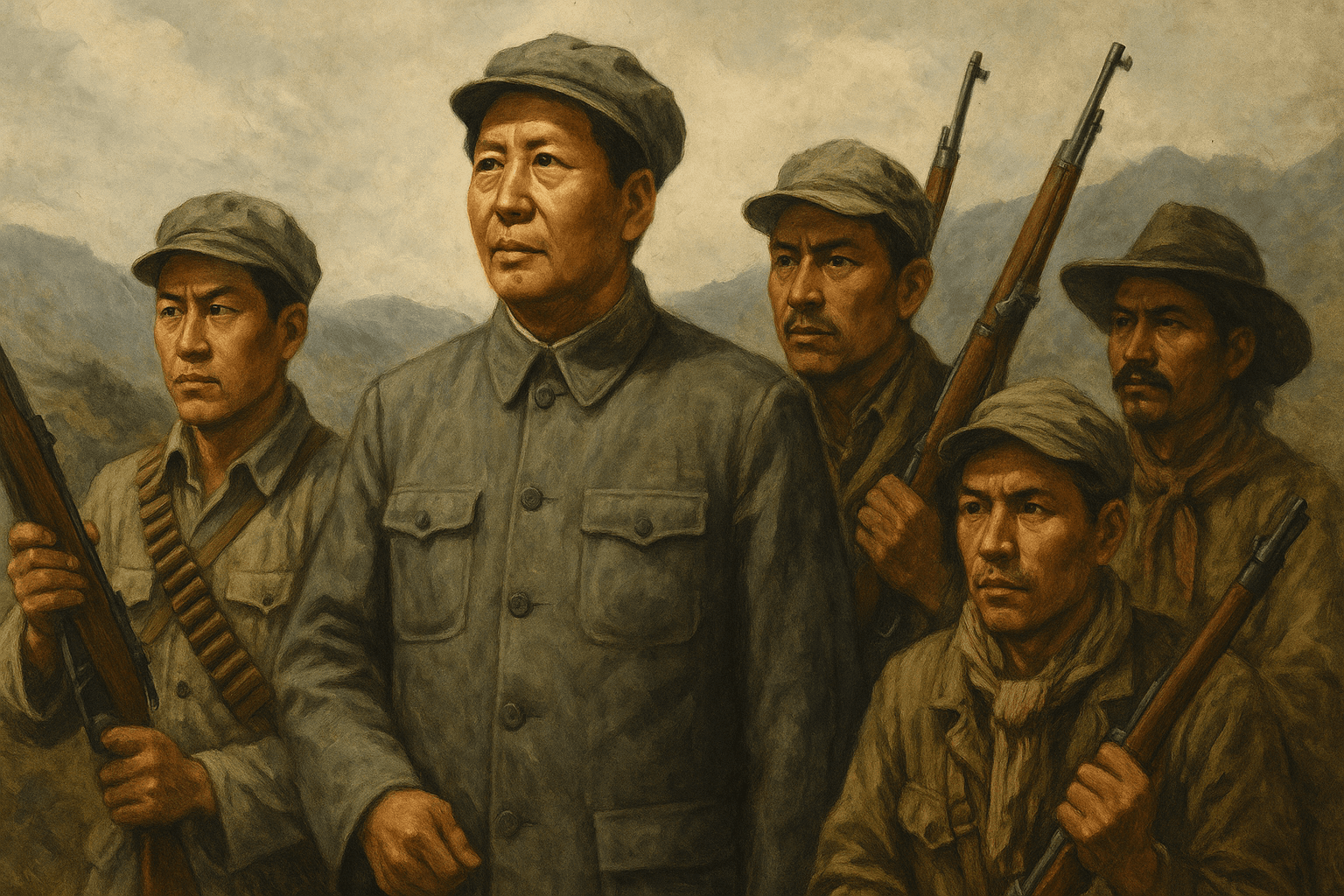
Mao Zedong and the Foundations of Guerrilla Warfare Mao Zedong reshaped 20th-century insurgency by fusing military tactics with political ideology and social mobilization. His doctrine of People’s War emphasized class power, protracted struggle, and the integration of political and military effort. These principles carried the Chinese Communist Party (CCP) through the Chinese Civil War and…
The Three Most Influential Thinkers in Counterinsurgency Theory

Counterinsurgency, often referred to as COIN, is a vital discipline within military and political science. It combines strategy, governance, and human behavior into a single operational framework aimed at defeating insurgent movements. These movements usually stem from deep political, economic, or social grievances that traditional military force alone cannot resolve. Counterinsurgency theory therefore extends beyond…
What’s Next For Syria
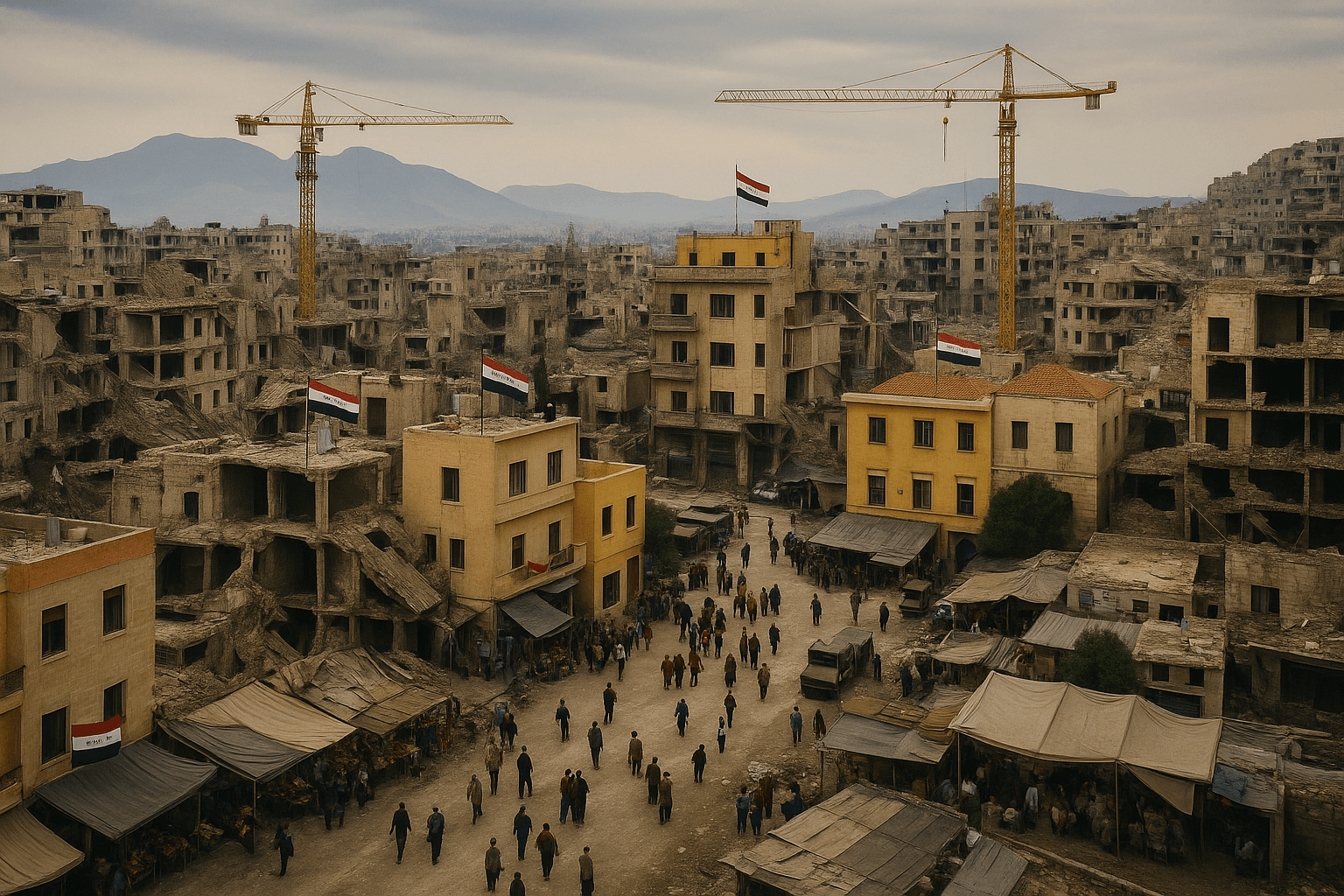
When the guns fall silent, the battle for a country’s future begins. The record of post-conflict transitions shows that what happens after the fighting can be as decisive as the war itself. Poorly managed transitions produce chaos, extremist resurgence, and renewed bloodshed. Well-structured ones stabilize a nation and open a path to lasting peace. Syria…
Reconnaissance

The Art of Reconnaissance in Guerrilla Warfare Reconnaissance is the heartbeat of guerrilla warfare. A resistance force can endure shortages of weapons, ammunition, or equipment, but never a shortage of intelligence. Knowing when to launch a raid, when to disappear, and how to read the enemy’s movements separates survival from annihilation. The pattern runs deep:…
Guerrilla Ambush Tactics: How Resistance Fighters Use Terrain and Surprise
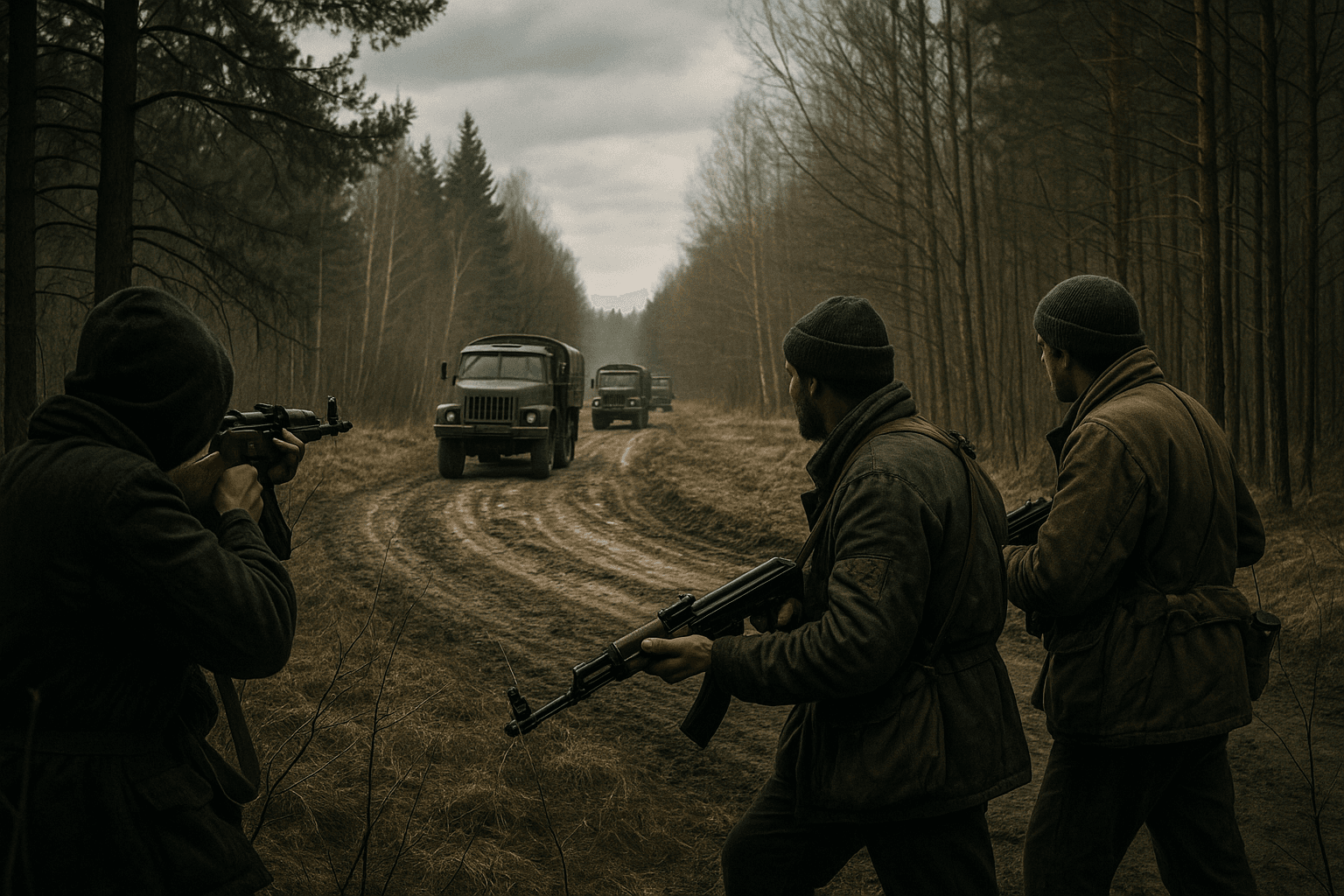
Guerrilla warfare thrives on one principle: never meet strength with strength. Victory belongs to those who master timing, terrain, and deception. Among the many tools in the irregular fighter’s arsenal, none delivers greater impact than the ambush. It is the most distilled expression of asymmetric warfare, swift, precise, and psychologically devastating. A well-executed ambush does…
Guerrilla Raids: Lessons from History for Irregular Warfare
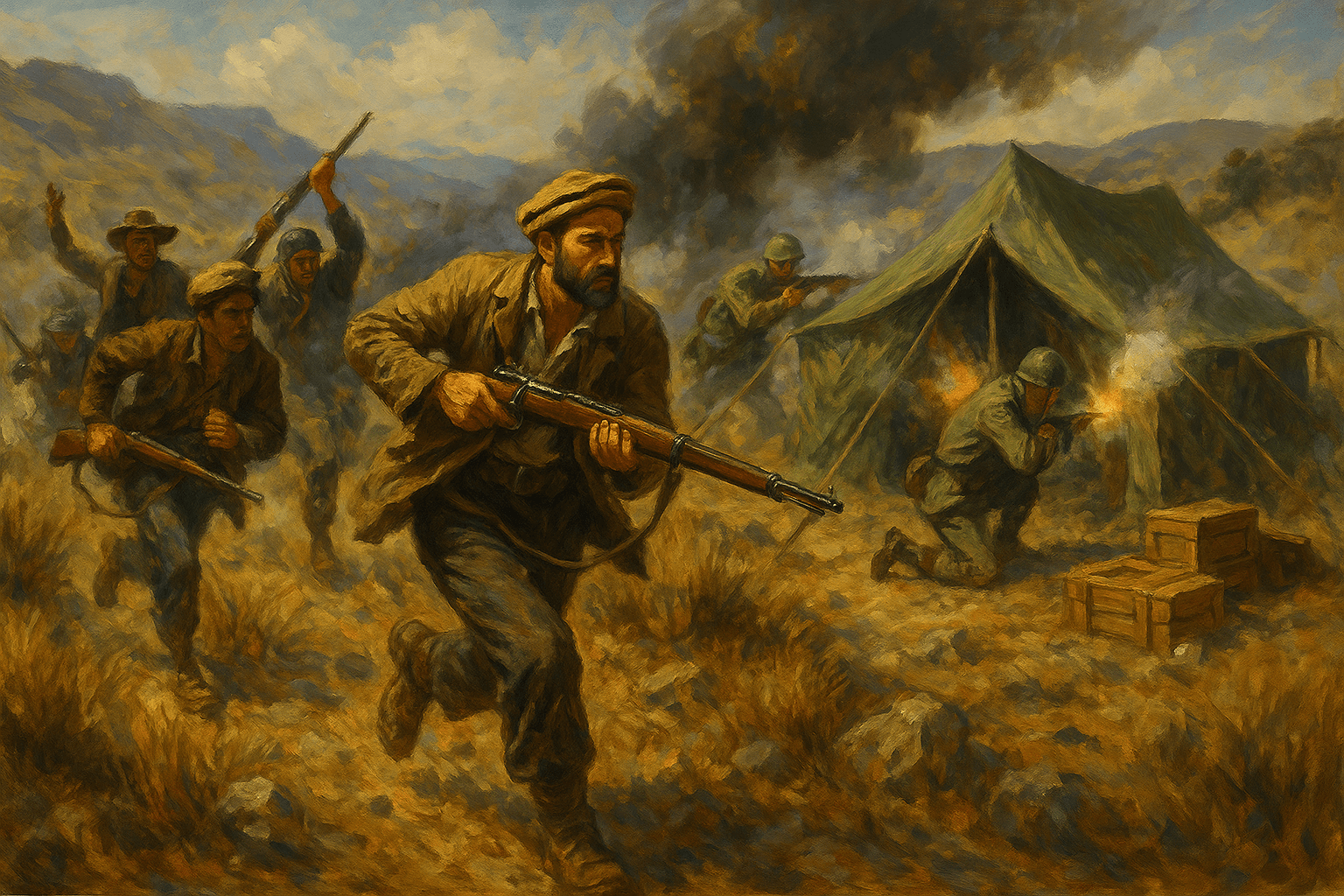
The Guerrilla Raid: Precision, Pressure, and Psychological Impact Guerrilla warfare depends on deception, mobility, and asymmetry. Few tactics embody these principles more clearly than the raid. When executed well, a raid can cripple enemy logistics, disrupt command nodes, and deliver a psychological shock that far exceeds its physical damage. But when executed poorly? A failed…