Latest posts
Rwanda’s Support for M23 Rebels: Congo’s Counterinsurgency Response and Regional Implications

The conflict in the eastern Democratic Republic of the Congo (DRC) has become one of the most devastating wars of the twenty-first century. What began as a proxy-backed insurgency in 2012 has escalated into a full-scale territorial occupation. The M23 rebel group, widely documented by the United Nations, the United States, and the European Union…
Introducing Mao Zedong’s Principles of People’s War
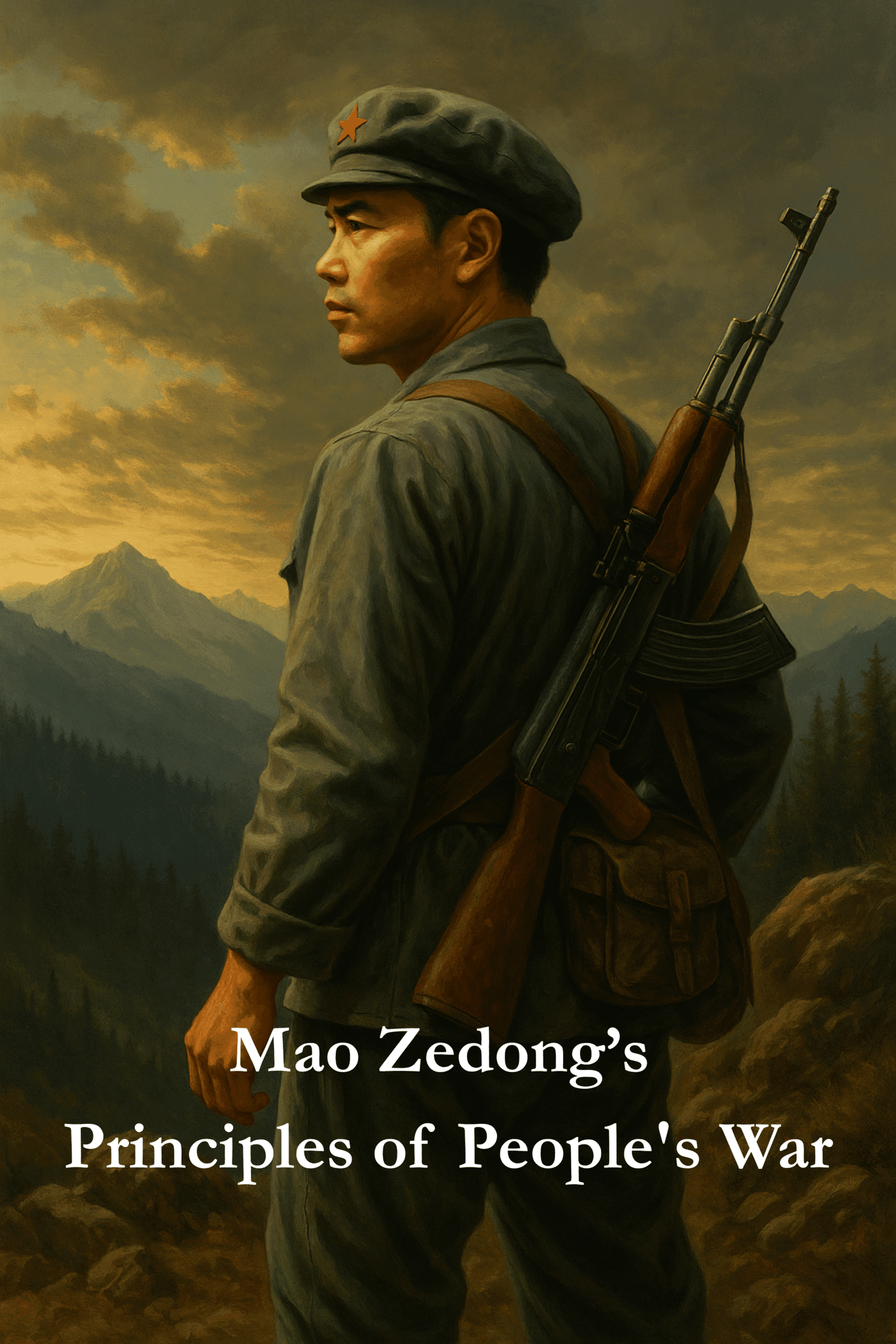
Mao Zedong’s Principles of People’s War is a comprehensive yet accessible guide to one of the most influential military doctrines of the 20th century. By distilling Mao’s revolutionary theories into their essential elements, this book offers readers a clear and concise understanding of guerrilla warfare, insurgency tactics, and the strategic principles that shaped conflicts across…
Introducing The Distillery Press
At The Resistance Hub, we recognize that understanding the complexities of resistance, guerrilla warfare, and irregular conflict can be daunting. That’s why we launched The Distillery Press, a publishing initiative dedicated to stripping away excess and making foundational theories accessible to everyone. We take the core principles of historical and modern resistance movements, distill them…
Breaking Free: How the Baltic States Disconnected from Russia’s Power Grid and What It Means for Security
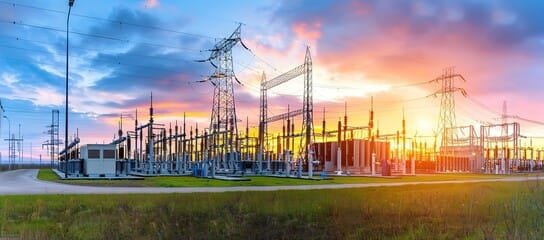
On February 9, 2025, the Baltic states of Estonia, Latvia, and Lithuania completed a long-anticipated milestone: the Baltic states power grid disconnection from the Russian-controlled BRELL system, a decisive break from Moscow’s energy infrastructure influence. The move is not just about electricity. It is a strategic shift reinforcing the region’s security, independence, and resilience against…
Irregular Warfare Solutions for Wildfire Response
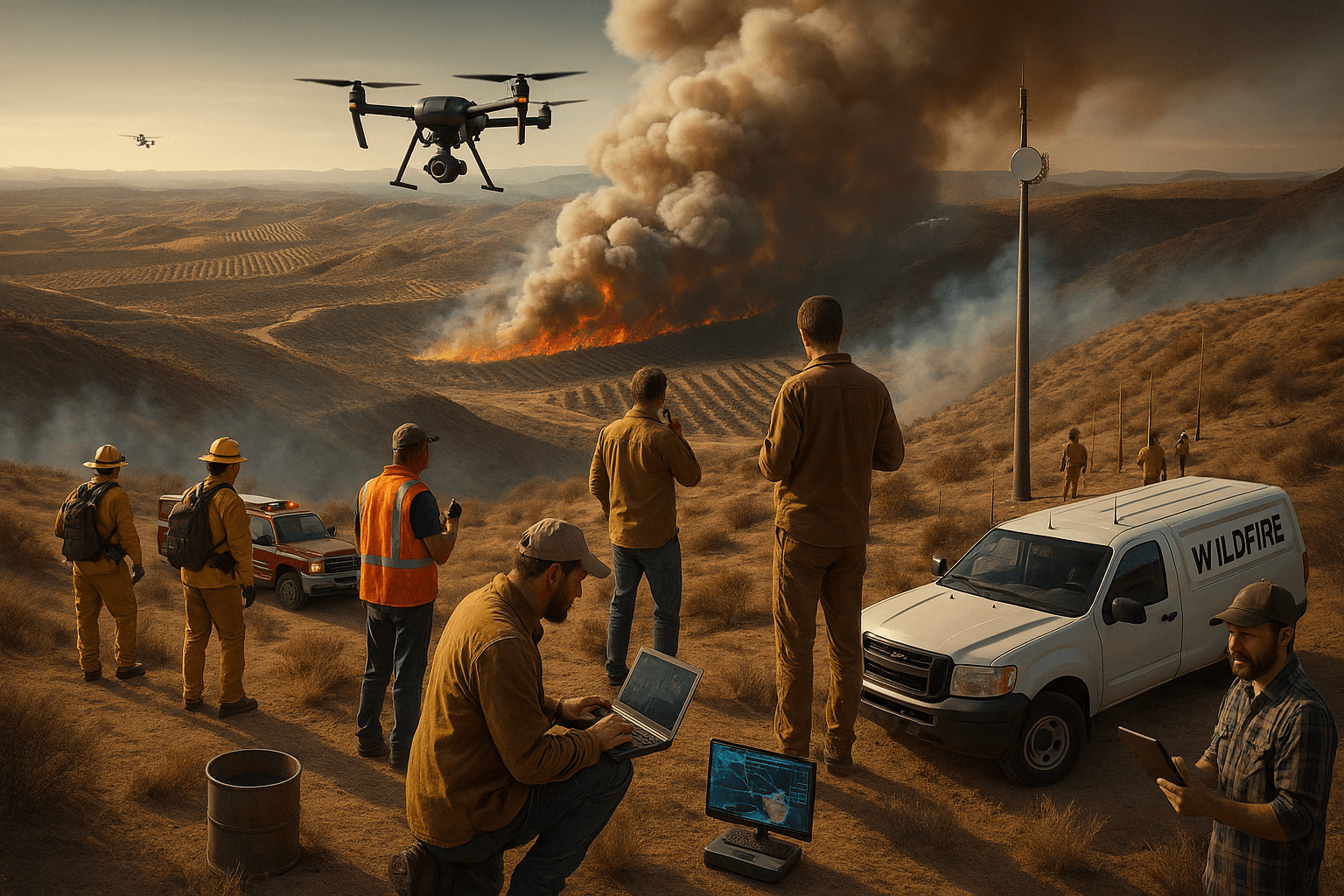
A Fire on Raven Ridge: A Case for Decentralized Wildfire Response The late summer sun hung low over Raven Ridge, casting long shadows across the dry brushland. It had been an unusually hot season, and the ridge, a well-known fire-prone area at the edge of the Wildland-Urban Interface (WUI), had become a tinderbox. Around 3:12…
Indicators of Invasion: How to Recognize Military Build-Up Before an Attack

Updated August 2026 Developments since publication: The December 2025 Pentagon China Military Power Report confirmed China continues building capabilities to meet Xi Jinping’s 2027 readiness benchmark for a Taiwan contingency. China’s “Justice Mission 2025” exercises (December 29–30, 2025) were its largest Taiwan-focused drills to date, simulating island encirclement with live-fire elements. Meanwhile, extensive PLA leadership…
Guerrilla Warfare in 2025: Colombia, Myanmar and Lebanon
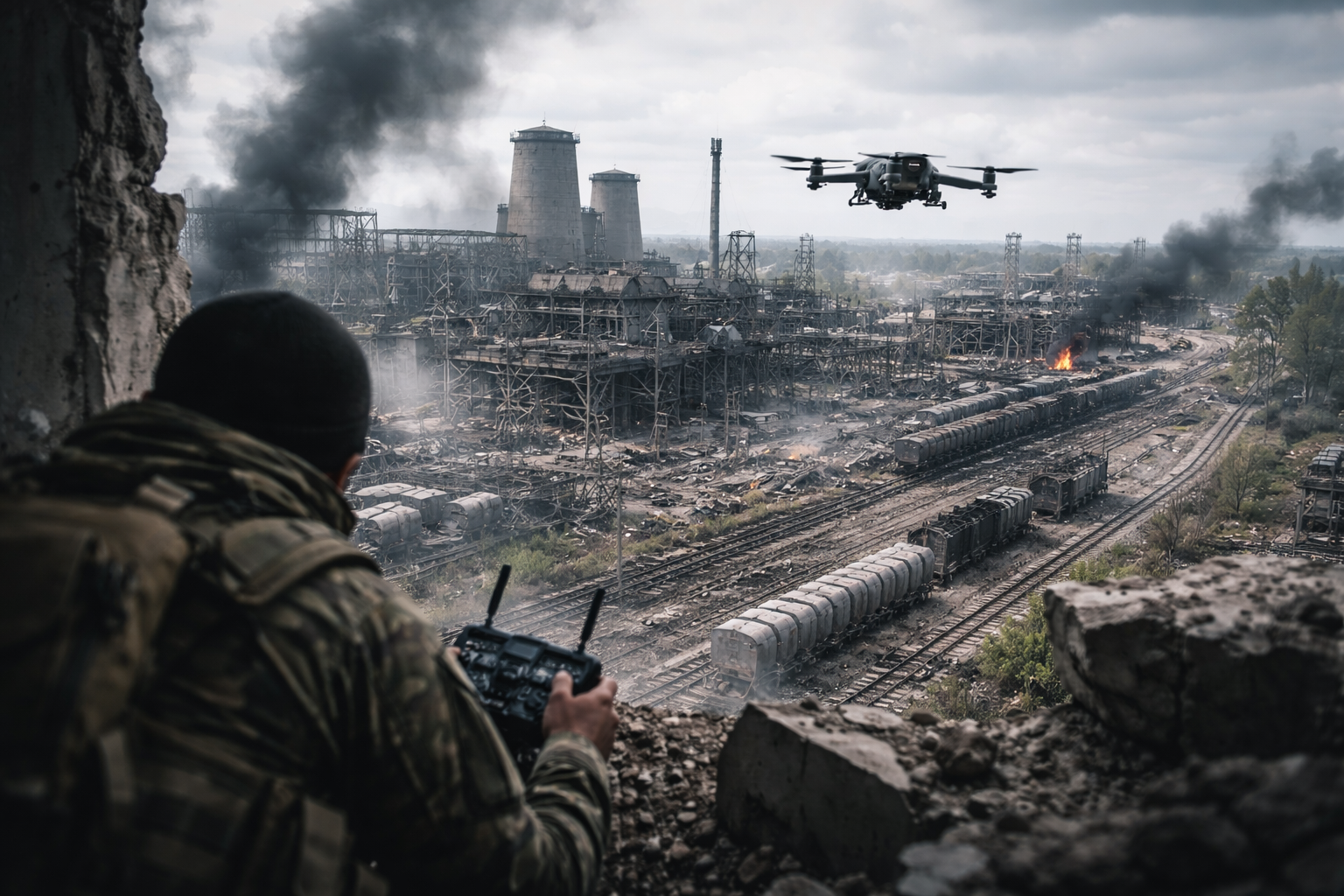
Guerrilla warfare in 2025 was defined by three campaigns: Colombia’s collapsing peace process, Myanmar’s shift from insurgency toward conventional operations, and Hezbollah’s forced return to cell-based tactics after its 2024 losses. This article is a dated record of where each stood at the start of that year, with a status panel below covering what has…
Irregular Warfare During Jimmy Carter’s Presidency
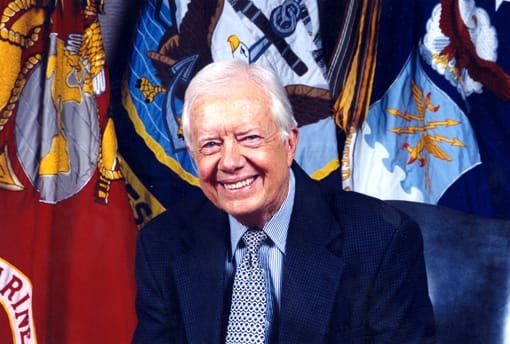
The presidency of Jimmy Carter (1977–1981) coincided with a global wave of irregular warfare that stretched from the mountains of Afghanistan to the jungles of Central America. Carter entered office promising a foreign policy rooted in human rights. He left it having authorized covert operations, weathered a hostage crisis that defined his presidency, and watched…