
Latest posts
The French Prison Attacks: A New Front in Irregular Warfare?

Coordinated arson and gunfire hit French prisons in April 2025. Investigators found a narcotics network, not anarchists, using resistance language as operational cover.
India at the Crossroads of Modern Conflict: From Jungle Warfare to Cyber Frontlines
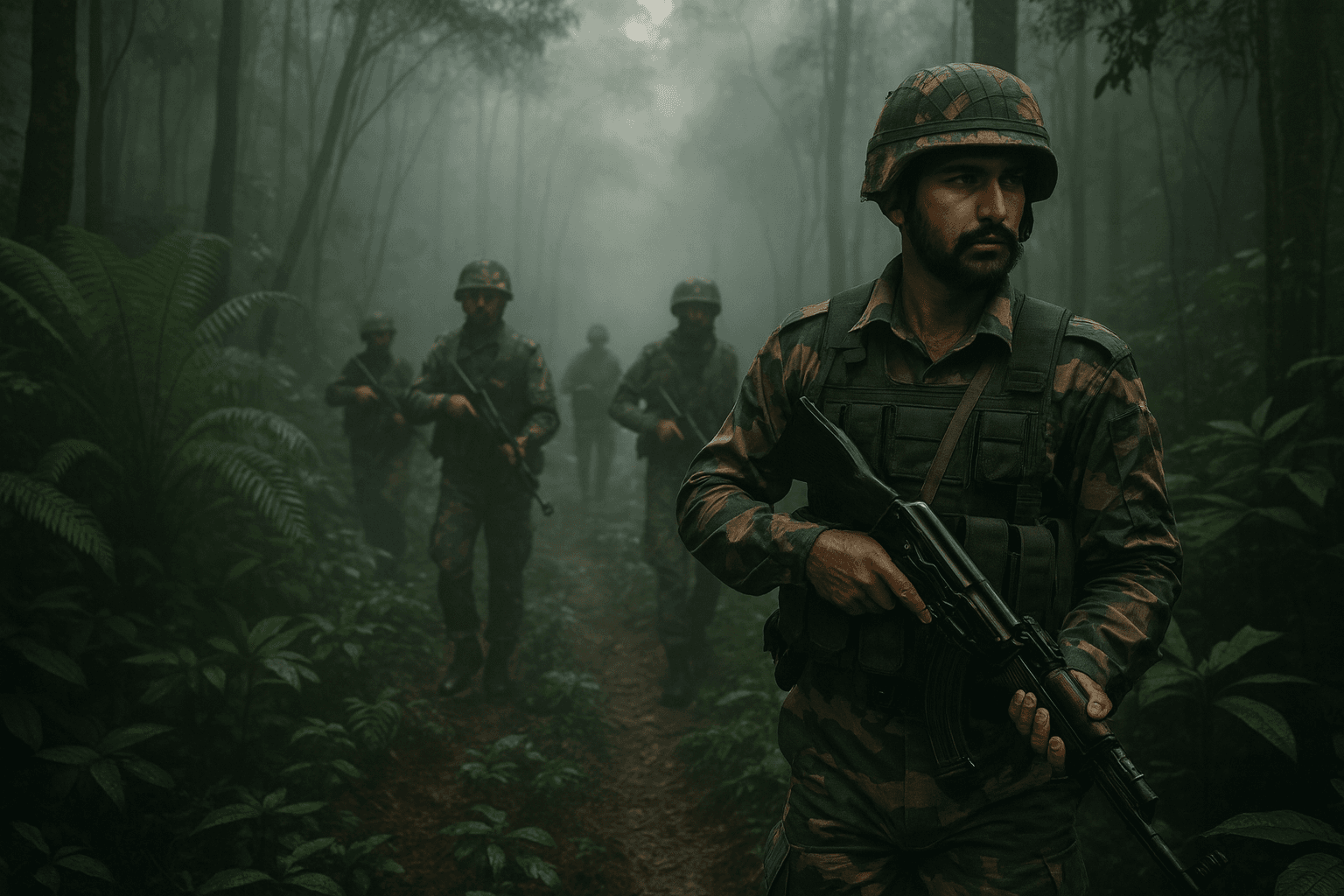
India now faces a complex security environment where conventional threats are merging with irregular challenges. From Chhattisgarh’s jungles to cyberspace, India’s security dilemmas reflect global conflict trends. These include a fusion of insurgency, cyber operations, and hybrid aggression, all blurring the lines between internal unrest and external threats. India Irregular Warfare: Blurring Conventional and Irregular…
Why Politicized Militaries Like China’s and Russia’s Are Vulnerable to Irregular Warfare
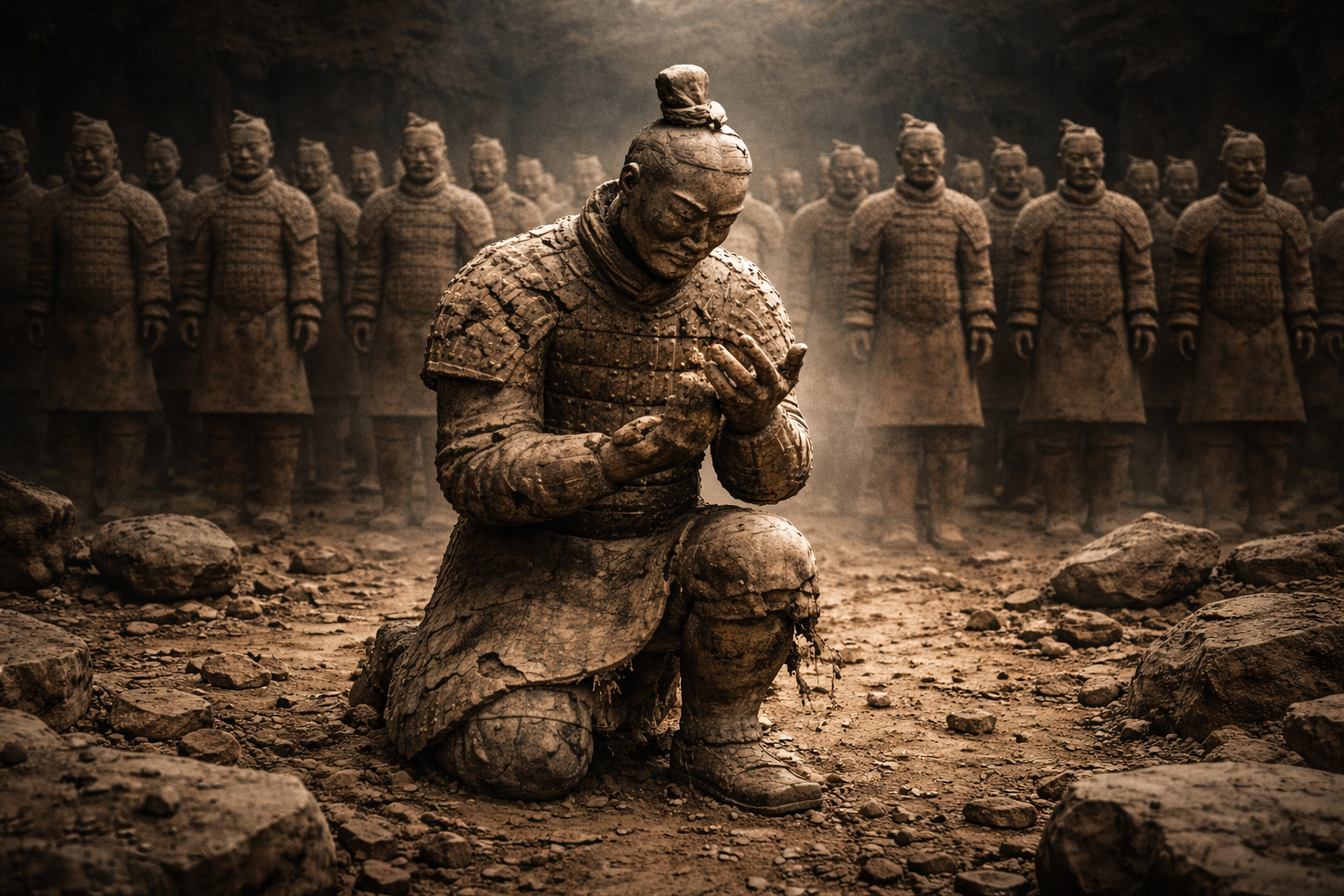
From the outside, authoritarian militaries project order, strength, and cohesion. Flags wave. Ranks shine. Parades thunder with disciplined force. But beneath the surface of tightly controlled structures like China’s People’s Liberation Army (PLA) and Russia’s Armed Forces lies a brittle foundation, one that irregular warfare is uniquely suited to exploit. Despite overwhelming firepower and state…
Irregular, Asymmetric, Hybrid, and Guerrilla Warfare: Sorting the Terms That Shape Modern Conflict
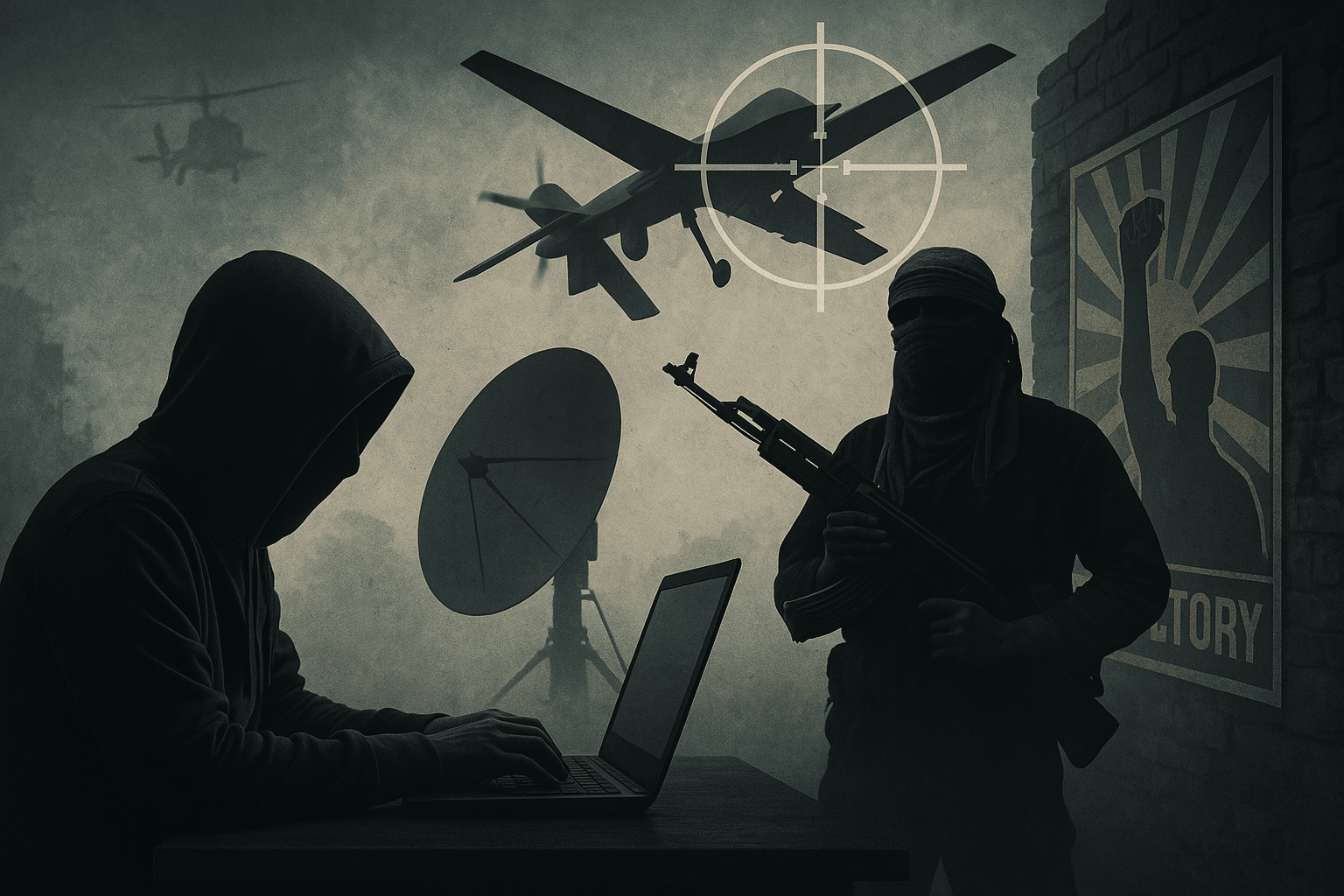
The modern battlefield is no longer confined to tanks, trenches, and clearly drawn front lines. Today’s conflicts merge propaganda with cyber attacks, insurgents with drones, and militias with memes. As this environment evolves, so too does the language we use to describe it. Irregular, asymmetric, hybrid, and guerrilla warfare are four of the most commonly…
Much Ado About Drones

Small unmanned aerial systems are reshaping tactical engagements, but for the United States they remain an evolutionary capability rather than a revolutionary one. Timothy Brown argues that counter-UAS fluency, not drone procurement, is the lesson to draw from Ukraine and the 2026 Iran war.
Revolutionary Spirits Explores the Enduring Legacy of Che Guevara’s Guerrilla Doctrine

What remains of Che Guevara’s theory of revolution in the 21st century? In an era shaped by cyber conflict, proxy insurgencies, and state surveillance, a return to Guevara’s foundational ideas might seem anachronistic, or surprisingly prescient. A new title released this week by Distillery Press, Revolutionary Spirits: Guerrilla Warfare Theory of Che Guevara, invites readers…
Urban Resistance: Tactics for Fighting in Occupied Cities
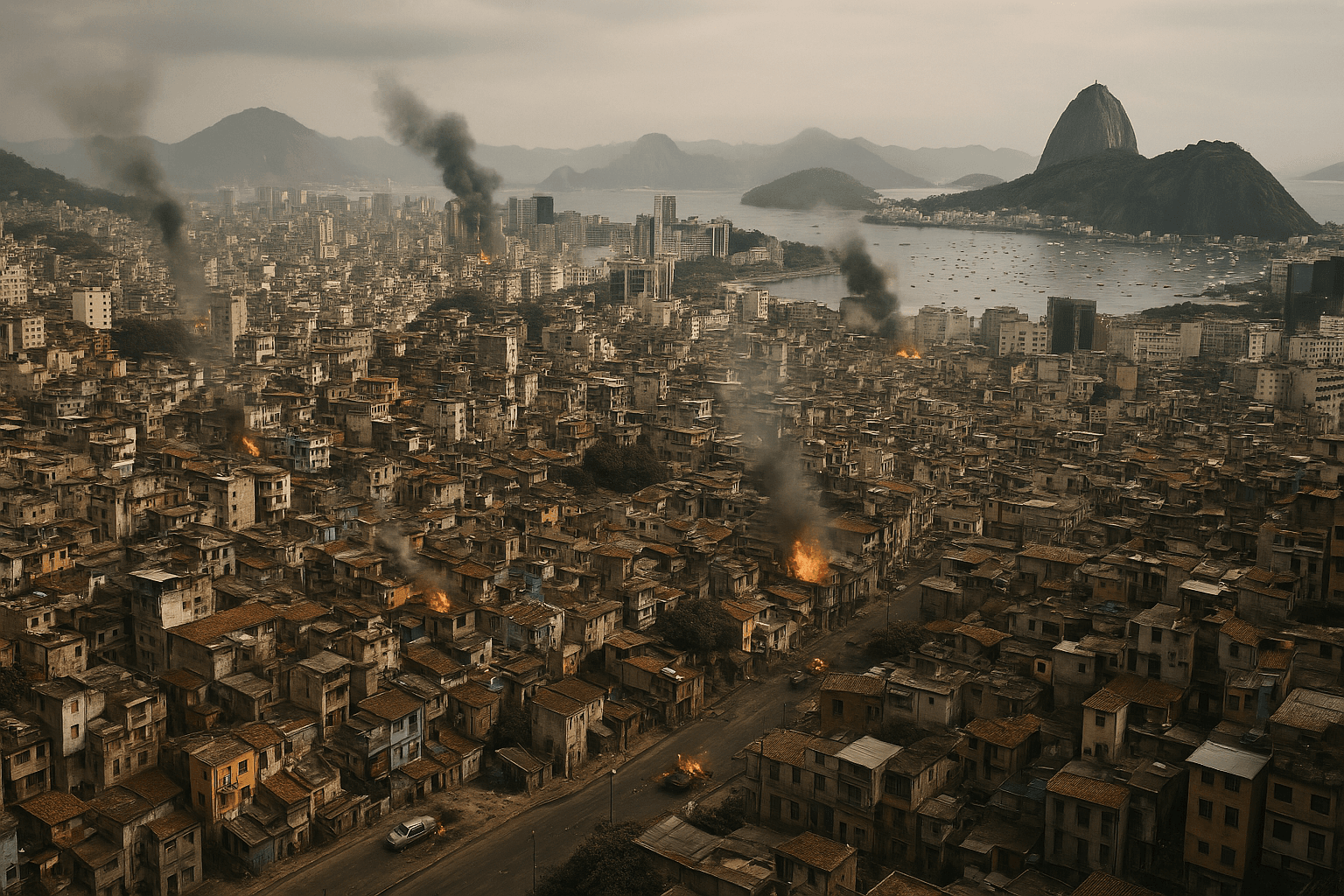
As 21st-century warfare continues to shift from open terrain to dense population centers, the ability of irregular forces to mount effective urban resistance has become one of the defining dynamics of modern conflict. Whether facing a conventional military occupation or a hybrid incursion, resistance fighters in cities operate with a unique set of tools, advantages,…
Underreported Struggles: Movements the World Forgot
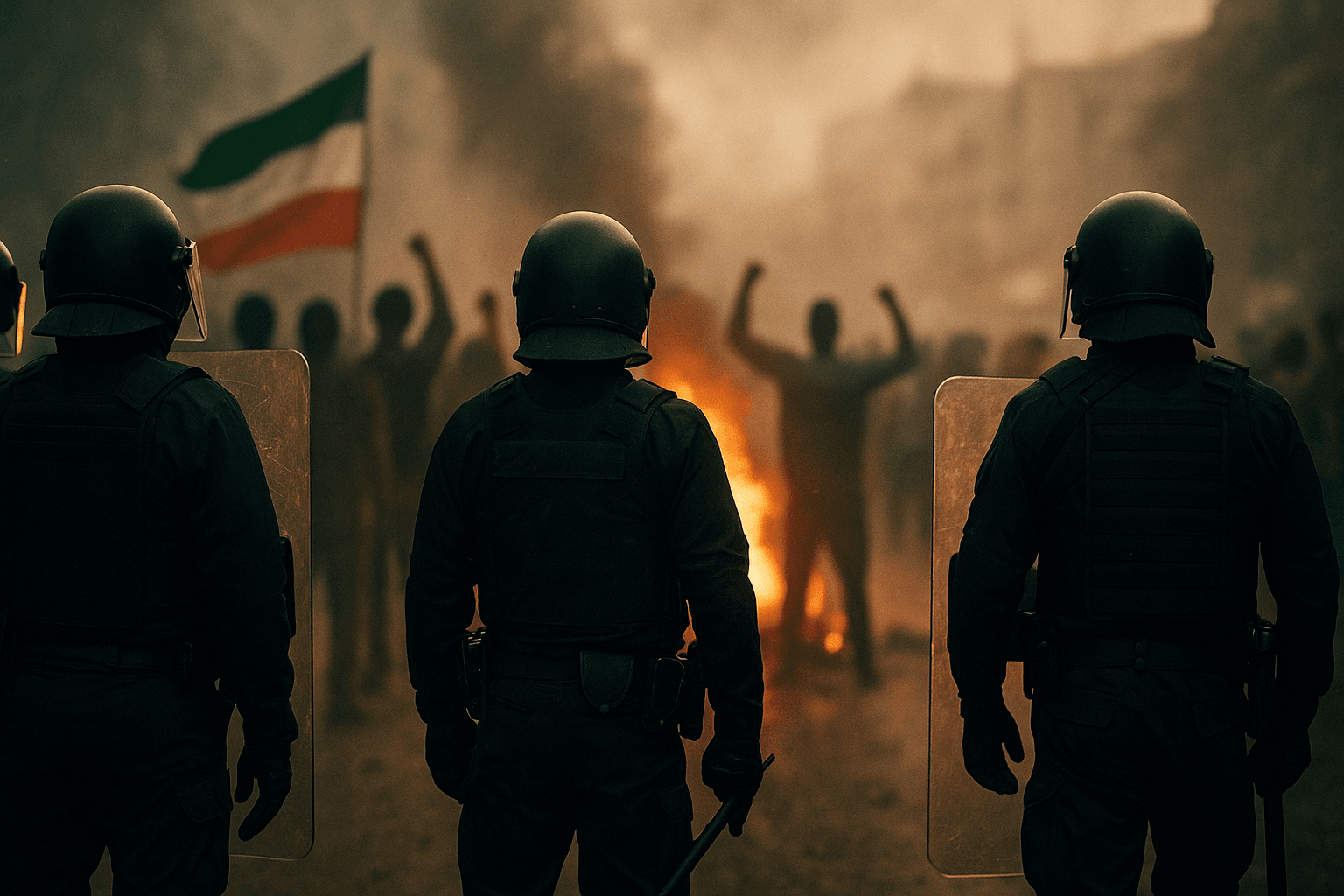
In today’s relentless news cycle, many of the world’s longest-running independence and human rights struggles remain buried beneath flashier headlines. These underreported movements, spanning continents, cultures, and centuries of resistance, are driven by communities demanding freedom, dignity, and recognition. Often marginalized by geopolitical interests or economic priorities, their stories go untold. This article shines a…