
Irregular Warfare
Irregular warfare is the contest for influence over a population, fought by state and non-state actors with means that sit below the threshold of conventional war. It includes insurgency and counterinsurgency, resistance and unconventional warfare, sabotage, subversion, guerrilla operations, and the information and economic pressure that surround them. The front line is the legitimacy of whoever governs, and the terrain is as much political and psychological as it is physical.
This category holds the site’s analysis of that contest: sixty articles covering doctrine, history, and current operations. The doctrinal core comes from open US and allied sources. The Assessing Revolutionary and Insurgent Strategies (ARIS) studies set out how undergrounds, auxiliaries, and guerrilla forces form and function. The Resistance Operating Concept frames how a small state prepares its population to resist occupation. The OSS manuals show how the first American unconventional warfare organization trained for sabotage, intelligence, and work with partisan forces. Each has its own reference page on the site, and the articles here apply those frameworks to specific cases.
The historical pieces trace the pattern across a century: Mao Zedong’s protracted war and the three-stage model it produced, T.E. Lawrence in the Hejaz, the Baltic Forest Brothers, the Kurdish movement, Latin American insurgencies, and the resistance networks of occupied Europe. The contemporary pieces look at hybrid and grey zone activity: Russian sabotage in Europe, maritime militia and economic coercion, drone warfare in Ukraine, and the recruitment of foreign nationals into proxy conflicts.
Read in order of interest. For the frameworks, start with ARIS and the Resistance Operating Concept. For the tactical layer, the sabotage page and the guerrilla ambush and reconnaissance primers. For a single historical case that shows the whole arc, the Forest Brothers. The glossary defines the terms as they are used here, and the Essential Books page lists the works the analysis draws on.
The analysis is written for practitioners, students, and planners who need to understand how irregular conflict is organized, resourced, and resolved.
China’s Fishing Flotillas as Paramilitary Economic Warfare

In the darkness of the eastern Pacific, a floating city of light drifts beyond Ecuador’s territorial waters. Hundreds of Chinese fishing vessels illuminate the horizon, their floodlights cutting through the night while satellite transponders flicker off one by one. To the untrained eye, this looks like ordinary commerce. To regional navies and maritime analysts, it…
What Large States Can Learn from Small States’ Total Defense Strategies

When Size Stops Being an Advantage Large nations often assume that sheer volume ensures survival. They trust in their populations, economies, and geographic depth to absorb shocks. Yet the last decade has demonstrated that abundance can conceal fragility. Critical systems fail not from external invasion but from slow corrosion of coordination and trust. Small states…
Political Will: The Secret Weapon in Great-Power Competition
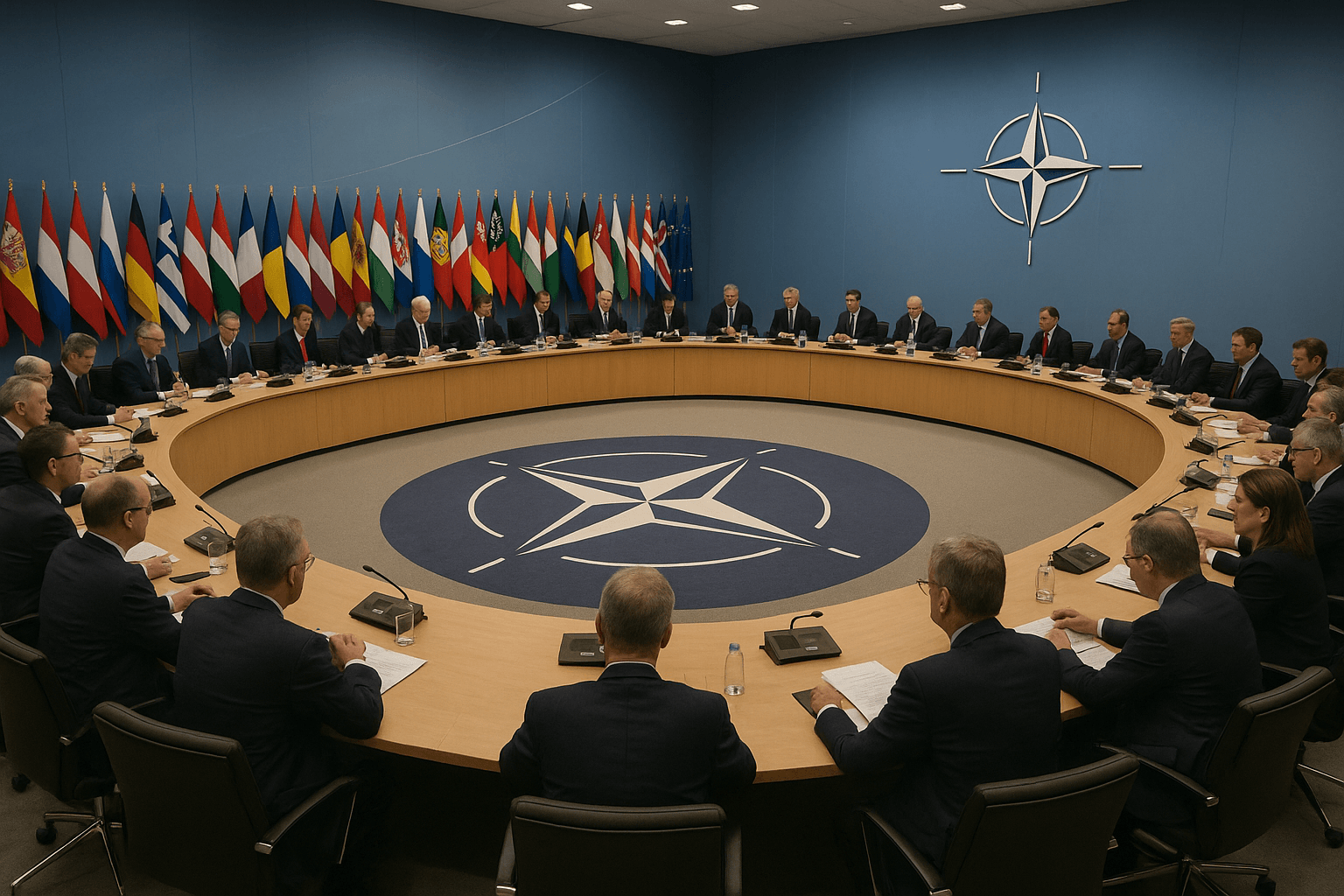
The Fear That Governs Action Nuclear weapons define the outer boundary of great-power conflict, but it is not the warhead that decides whether a fighter jet is shot down or a convoy is struck. It is a matter of political will, the readiness of leaders, parliaments, and alliances to bear the risks of escalation. Capabilities…
Irregular Warfare in the Arctic: Why the High North Matters
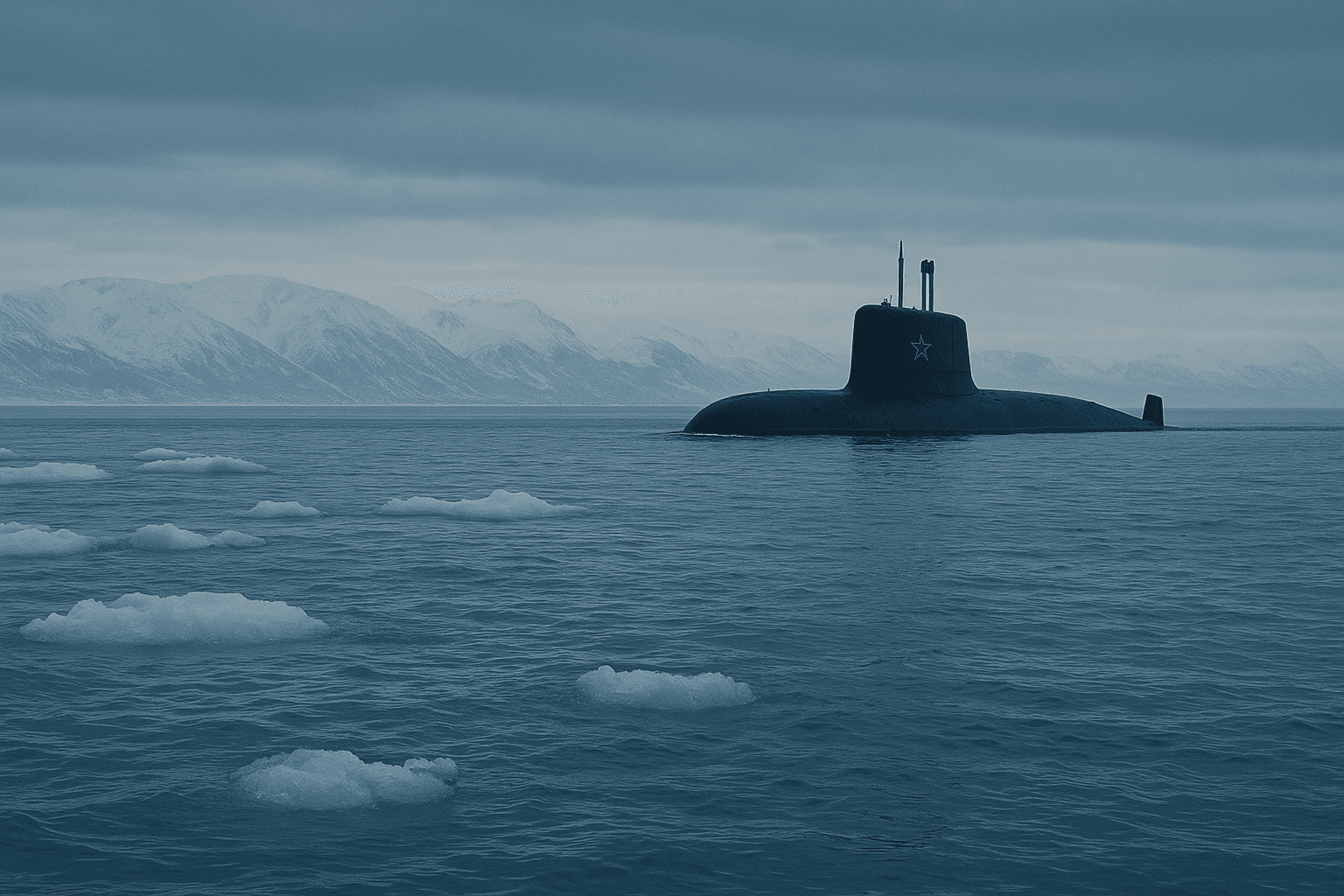
The Arctic was once dismissed as a frozen frontier. For centuries, thick ice and harsh conditions kept the region isolated from global competition. That insulation is disappearing. Climate change has reduced sea ice cover, making the High North more accessible than ever before. New shipping routes such as the Northern Sea Route along Russia’s Siberian…
Deceived and Deployed: How Russia Lures Foreign Nationals Into Its War in Ukraine
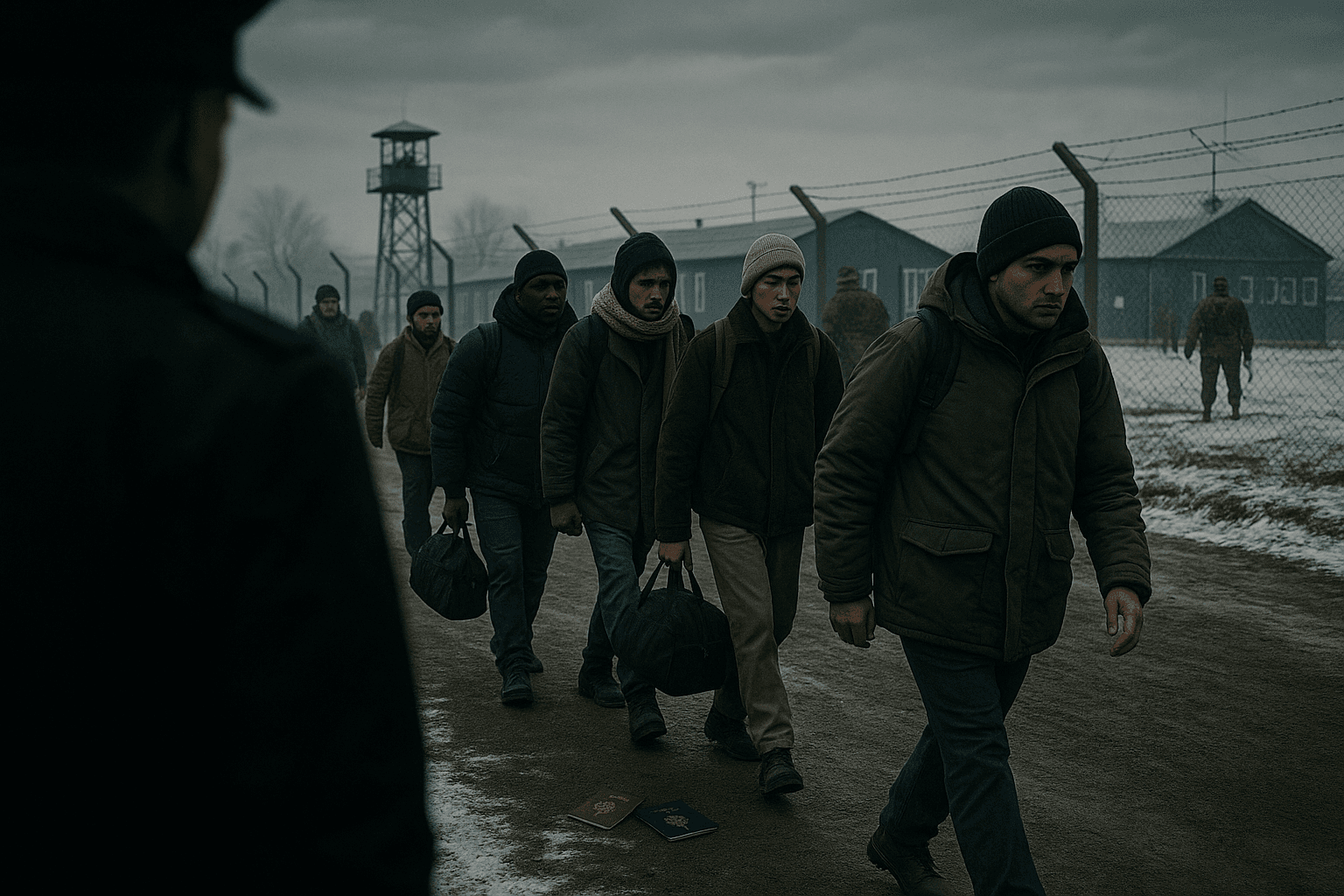
The War That Found Them Russia is drawing foreign nationals from Asia, Africa, and Latin America into its war in Ukraine under false pretenses. They arrive believing they have secured legitimate jobs, university placements, or fast-track residency opportunities. Within days, or in some cases, mere hours, they find themselves on a battlefield they never agreed…
Revolution in Our Roots: America’s Founding as a Case Study in Irregular Warfare

One of the things that sets the United States apart on the global stage is its singular independence. In much of the world, particularly across Eastern Europe, independence is a cycle. It is declared, lost, reclaimed, and redefined. Ukraine has at least three independence anniversaries. Georgia celebrates its break from the Russian Empire, the Soviet…
Iran’s Global Irregular Warfare Apparatus
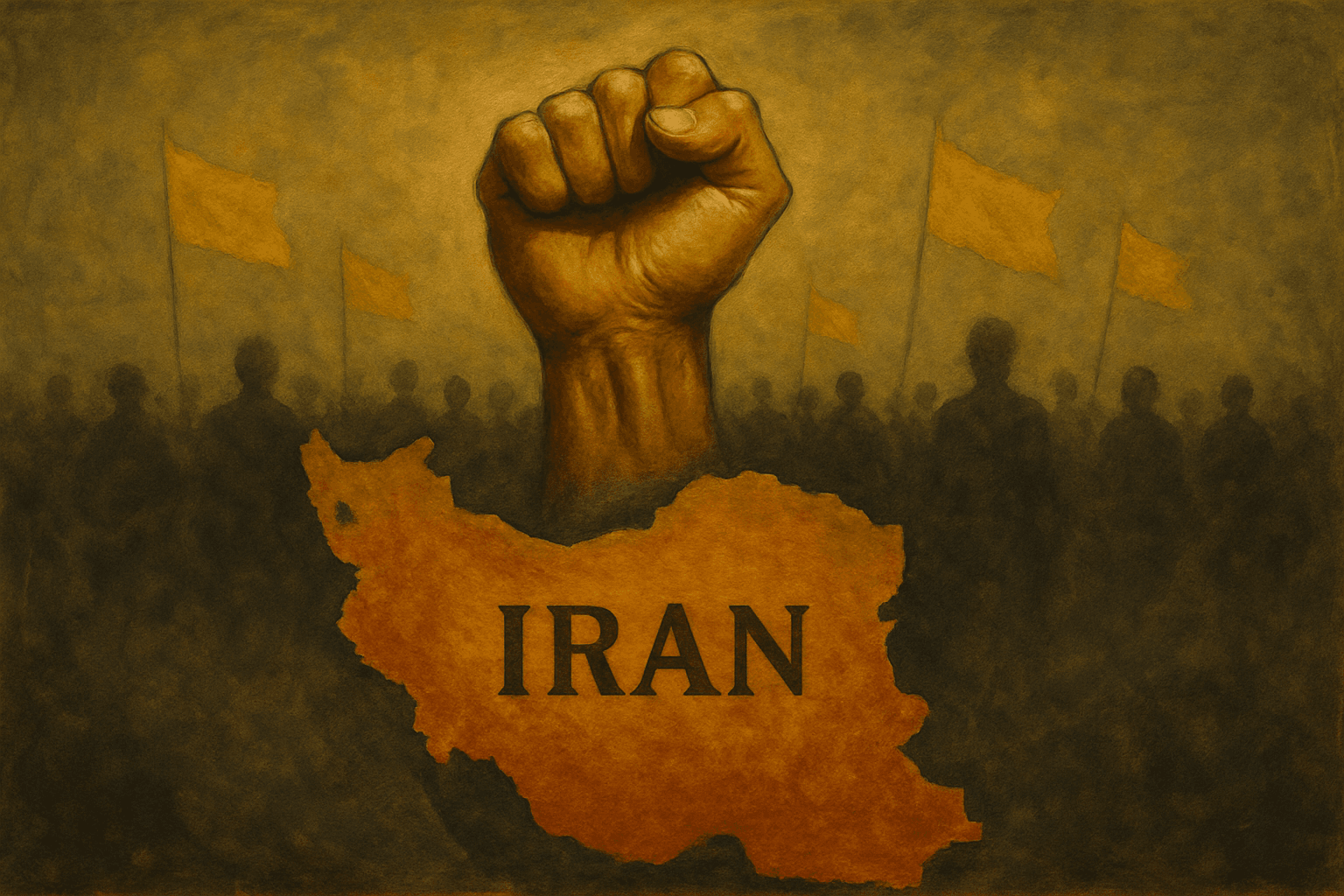
Iran prefers operating on the margins, not in the spotlight. Its strategic culture thrives on ambiguity and deniability. Tehran uses proxies, sabotage, cyber tools, and covert action to advance regional ambitions without full-scale war or direct attribution. From Beirut to Berlin, Iran’s irregular warfare network lets it punch above its weight. The regime shapes outcomes…
A Tale of Two Campaigns: Domain Dominance and Divergent Doctrines in the War for Ukraine
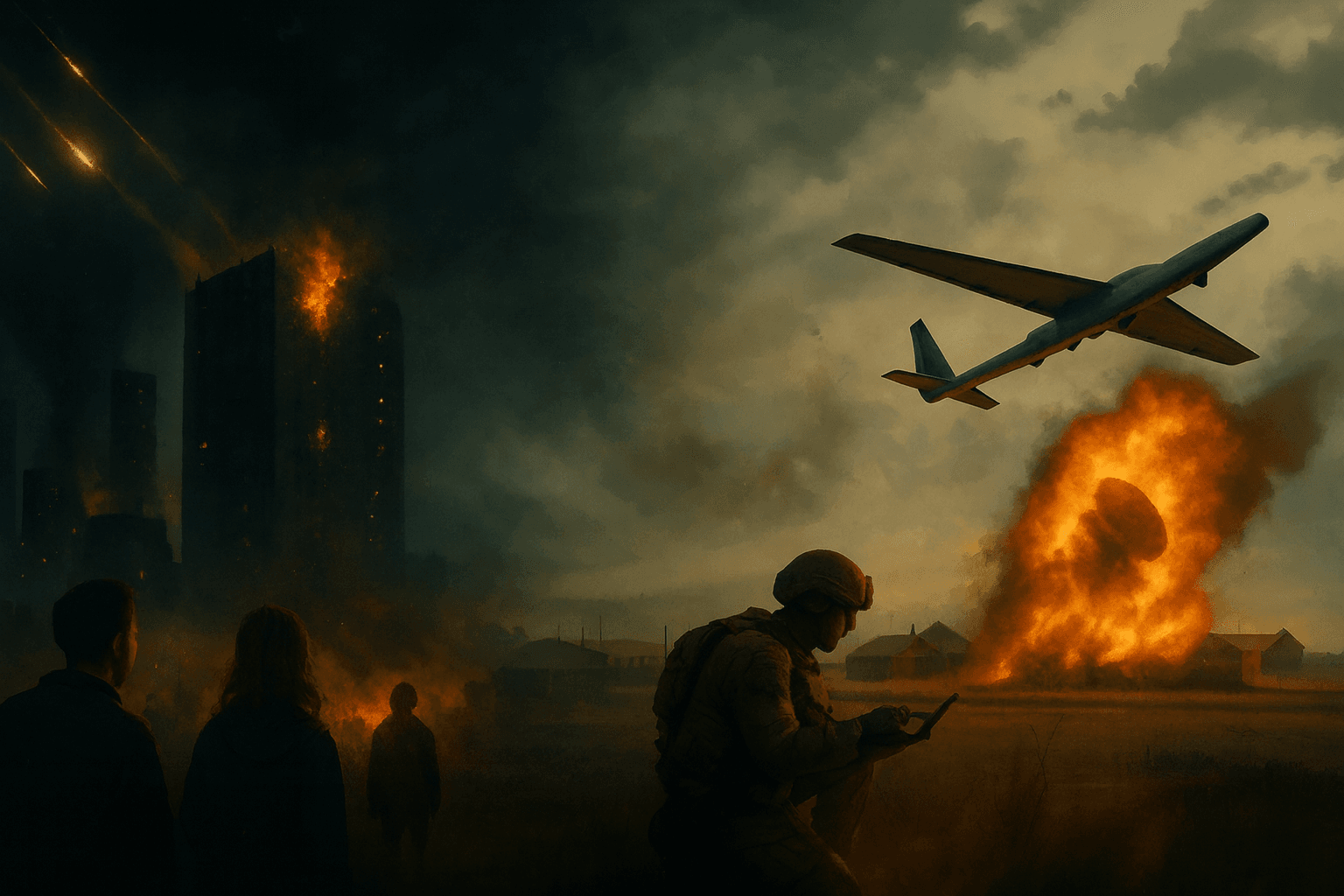
On 1 June 2025, in the operation Kyiv codenamed Spiderweb, Ukraine executed long-range drone strikes that disabled or destroyed 41 Russian strategic aircraft across four airbases deep inside Russian territory. These strikes were not symbolic. They were targeted disruptions of Russia’s strike capacity. Through 2026, Russia has continued to fire missiles and drones at Ukrainian…