
Irregular Warfare
Irregular warfare is the contest for influence over a population, fought by state and non-state actors with means that sit below the threshold of conventional war. It includes insurgency and counterinsurgency, resistance and unconventional warfare, sabotage, subversion, guerrilla operations, and the information and economic pressure that surround them. The front line is the legitimacy of whoever governs, and the terrain is as much political and psychological as it is physical.
This category holds the site’s analysis of that contest: sixty articles covering doctrine, history, and current operations. The doctrinal core comes from open US and allied sources. The Assessing Revolutionary and Insurgent Strategies (ARIS) studies set out how undergrounds, auxiliaries, and guerrilla forces form and function. The Resistance Operating Concept frames how a small state prepares its population to resist occupation. The OSS manuals show how the first American unconventional warfare organization trained for sabotage, intelligence, and work with partisan forces. Each has its own reference page on the site, and the articles here apply those frameworks to specific cases.
The historical pieces trace the pattern across a century: Mao Zedong’s protracted war and the three-stage model it produced, T.E. Lawrence in the Hejaz, the Baltic Forest Brothers, the Kurdish movement, Latin American insurgencies, and the resistance networks of occupied Europe. The contemporary pieces look at hybrid and grey zone activity: Russian sabotage in Europe, maritime militia and economic coercion, drone warfare in Ukraine, and the recruitment of foreign nationals into proxy conflicts.
Read in order of interest. For the frameworks, start with ARIS and the Resistance Operating Concept. For the tactical layer, the sabotage page and the guerrilla ambush and reconnaissance primers. For a single historical case that shows the whole arc, the Forest Brothers. The glossary defines the terms as they are used here, and the Essential Books page lists the works the analysis draws on.
The analysis is written for practitioners, students, and planners who need to understand how irregular conflict is organized, resourced, and resolved.
Strait of Hormuz Irregular Warfare Analysis
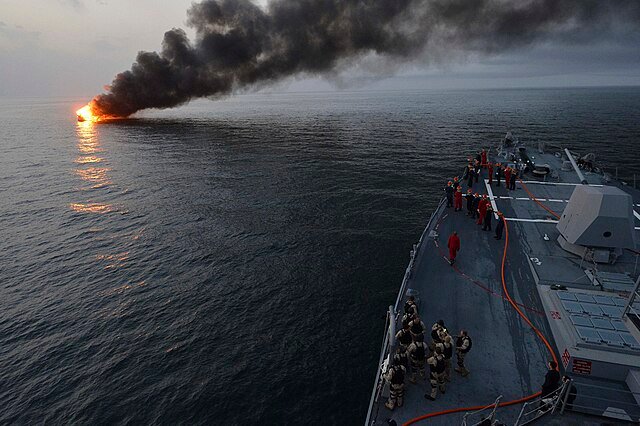
The 2026 closure of the world’s most important energy chokepoint is the clearest case study yet in Strait of Hormuz irregular warfare: a campaign that halted a fifth of the world’s seaborne oil without Iran having to sink a single tanker. The instrument was not the mine or the anti-ship missile. It was the war…
What is Hybrid Warfare? A Comprehensive Guide

Hybrid warfare is the coordinated use of military and non-military tools, including cyber attacks, disinformation, economic coercion, sabotage, proxy forces, and covert action, to achieve strategic objectives while remaining below the threshold of conventional armed conflict. The defining feature is not any single method, but the deliberate integration of multiple domains simultaneously, designed to exploit…
Karen National Union (KNU) Case Study
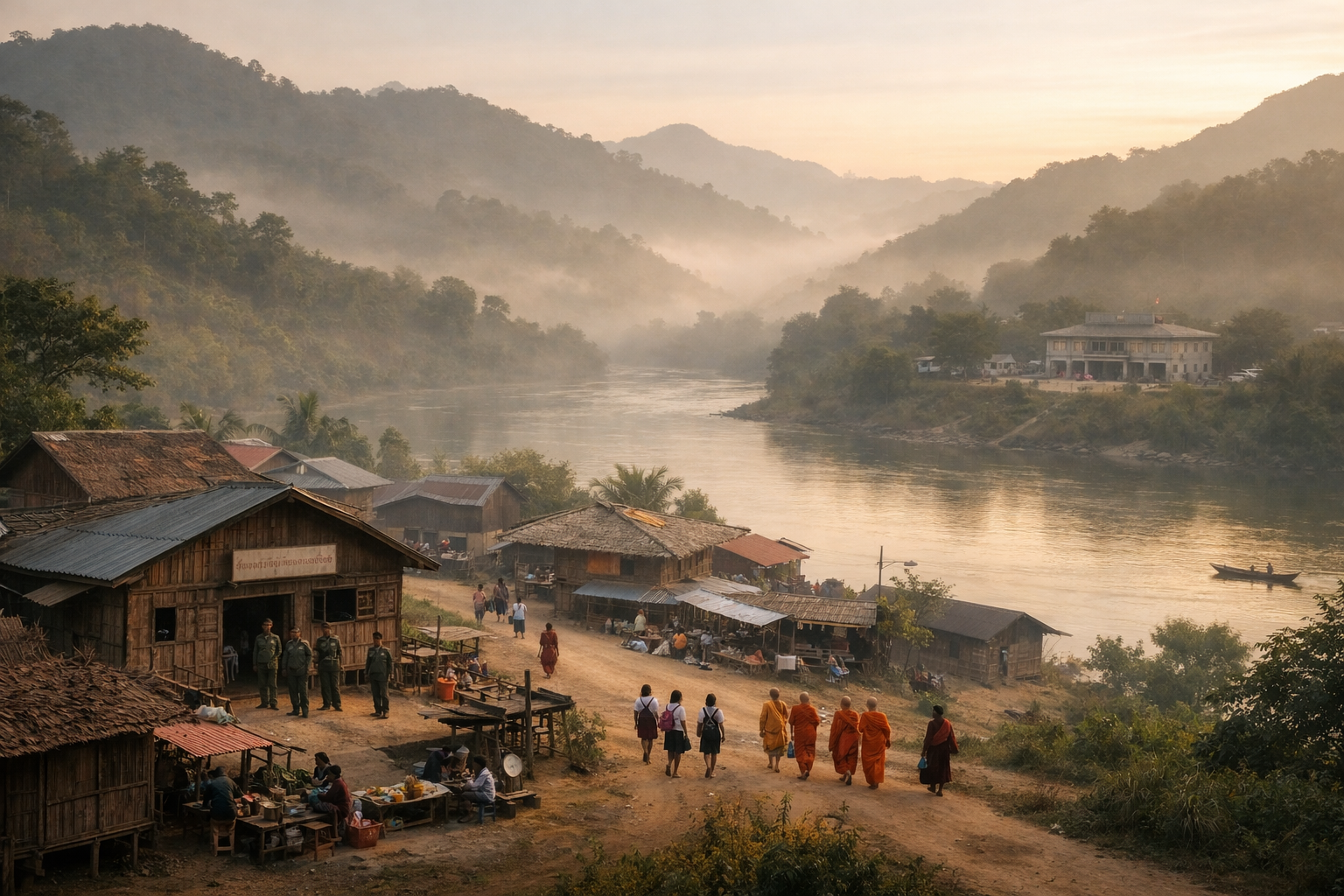
This case study applies the War Marketplace Framework (WMF) across three analytical levels — competition, structure, and strategy — to one of the world’s longest-running insurgencies: the conflict between the Karen National Union (KNU) and the Myanmar state. Rather than treating the Karen war as an ethnic rebellion, a counterinsurgency campaign, or a peripheral civil…
State-Insurgent Strategic Competition Part III
Contributor MOE GYO Moe Gyo is a writer and consultant working with ethnic organizations in Myanmar. Writing from the Thai–Myanmar borderlands, he draws on years of direct engagement with communities shaped by conflict and disrupted health systems. His work captures firsthand how resilience and informal support networks develop under prolonged irregular warfare. His writing has…
State—Insurgent Strategic Competition for Governance: PART II: The Market Forces of War

Contributor MOE GYO Moe Gyo is a writer and consultant working with ethnic organizations in Myanmar. Writing from the Thai–Myanmar borderlands, he draws on years of direct engagement with communities shaped by conflict and disrupted health systems. His work captures firsthand how resilience and informal support networks develop under prolonged irregular warfare. His writing has…
Guinea-Bissau: Anatomy of a Successful Coup
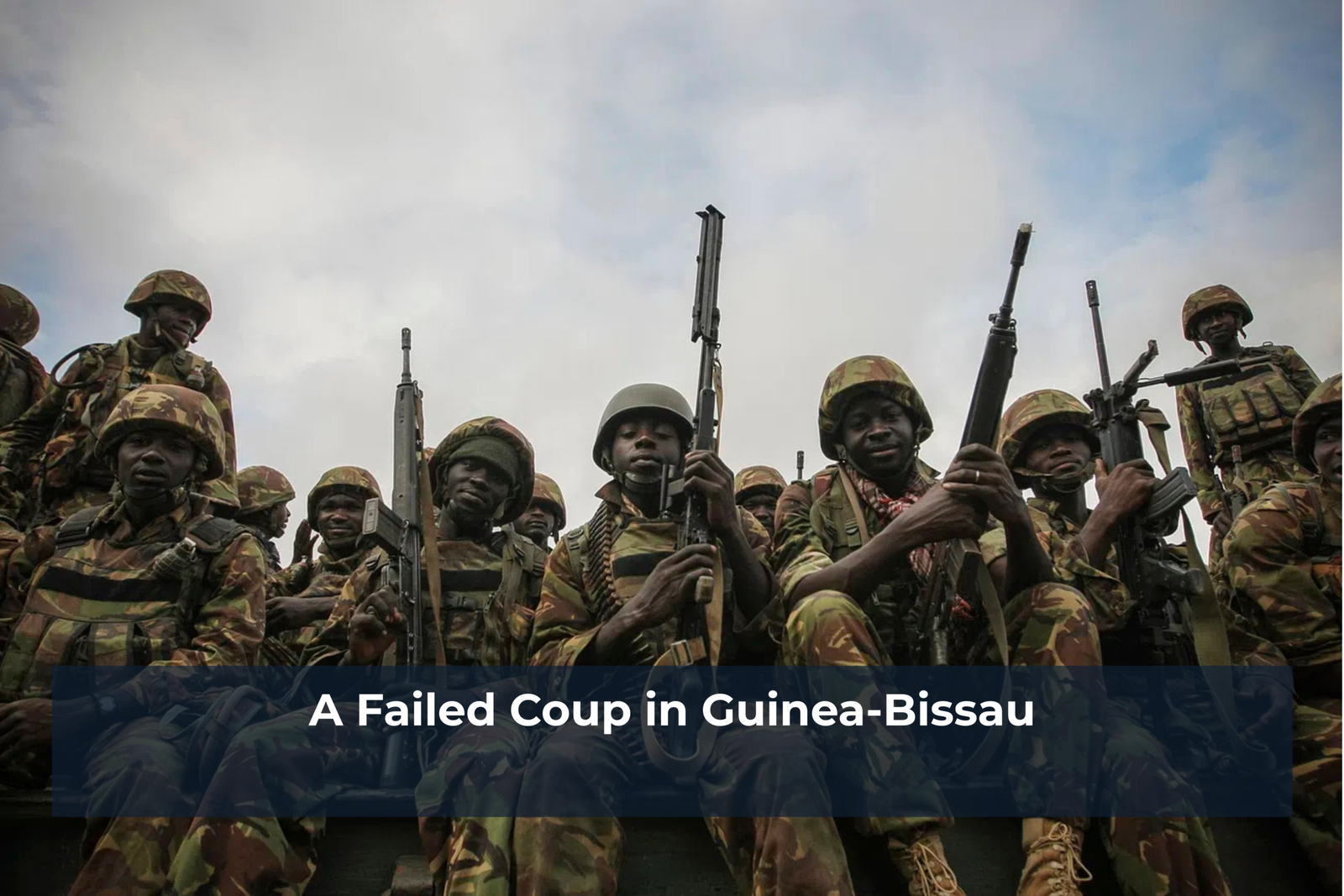
// Updated August 2026 This article originally reported the Guinea-Bissau coup of 26 November 2025 as a failed attempt. That was wrong, and the sections below have been rewritten. The coup succeeded. President Umaro Sissoco Embaló was detained at his office, flown to Senegal on 27 November and later relocated to the Republic of the…
Venezuela Contingency Operation: Resistance Potential and Irregular Warfare Risk
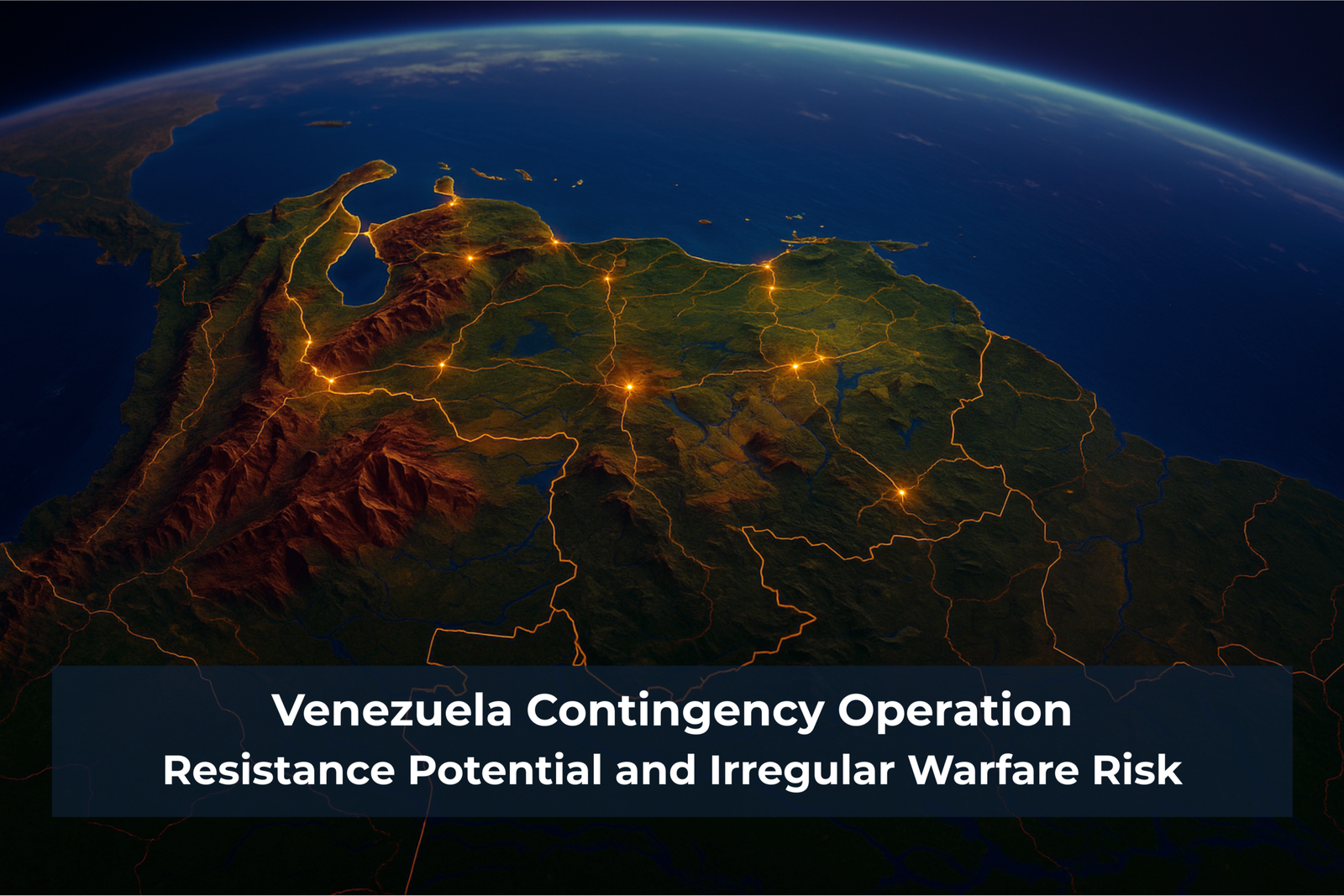
// Updated October 2026 Since late 2025 the United States ran a military campaign in the southern Caribbean, Operation Southern Spear, with repeated strikes on alleged trafficking vessels that culminated in the capture of Nicolas Maduro in early 2026, per the Council on Foreign Relations and AS/COA. The contingency framing below predates that campaign. //…
The Knights Dilemma: Evolution of Elite Warfare
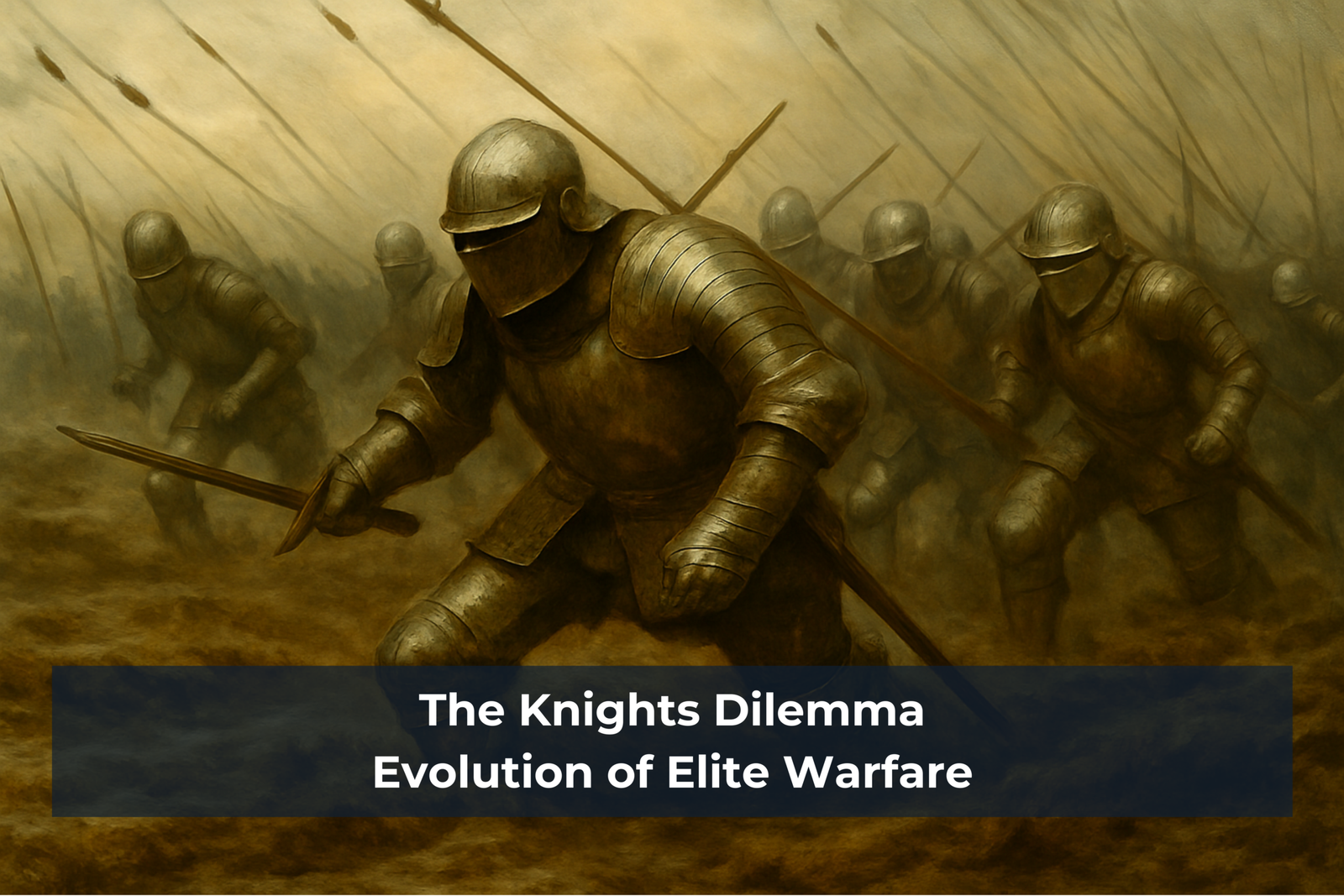
On October 25, 1415, in a muddy French field, the age of the knight began to die. The Battle of Agincourt was a collision of peak military capability, the feudal knight, and the battlefield introduction of cheap massed fires from the British longbow. Thousands of armored nobles, bound by centuries of skill, ritual, and pride,…