
Irregular Warfare
Irregular warfare is the contest for influence over a population, fought by state and non-state actors with means that sit below the threshold of conventional war. It includes insurgency and counterinsurgency, resistance and unconventional warfare, sabotage, subversion, guerrilla operations, and the information and economic pressure that surround them. The front line is the legitimacy of whoever governs, and the terrain is as much political and psychological as it is physical.
This category holds the site’s analysis of that contest: sixty articles covering doctrine, history, and current operations. The doctrinal core comes from open US and allied sources. The Assessing Revolutionary and Insurgent Strategies (ARIS) studies set out how undergrounds, auxiliaries, and guerrilla forces form and function. The Resistance Operating Concept frames how a small state prepares its population to resist occupation. The OSS manuals show how the first American unconventional warfare organization trained for sabotage, intelligence, and work with partisan forces. Each has its own reference page on the site, and the articles here apply those frameworks to specific cases.
The historical pieces trace the pattern across a century: Mao Zedong’s protracted war and the three-stage model it produced, T.E. Lawrence in the Hejaz, the Baltic Forest Brothers, the Kurdish movement, Latin American insurgencies, and the resistance networks of occupied Europe. The contemporary pieces look at hybrid and grey zone activity: Russian sabotage in Europe, maritime militia and economic coercion, drone warfare in Ukraine, and the recruitment of foreign nationals into proxy conflicts.
Read in order of interest. For the frameworks, start with ARIS and the Resistance Operating Concept. For the tactical layer, the sabotage page and the guerrilla ambush and reconnaissance primers. For a single historical case that shows the whole arc, the Forest Brothers. The glossary defines the terms as they are used here, and the Essential Books page lists the works the analysis draws on.
The analysis is written for practitioners, students, and planners who need to understand how irregular conflict is organized, resourced, and resolved.
Revolutionary Warfare in Three Visions
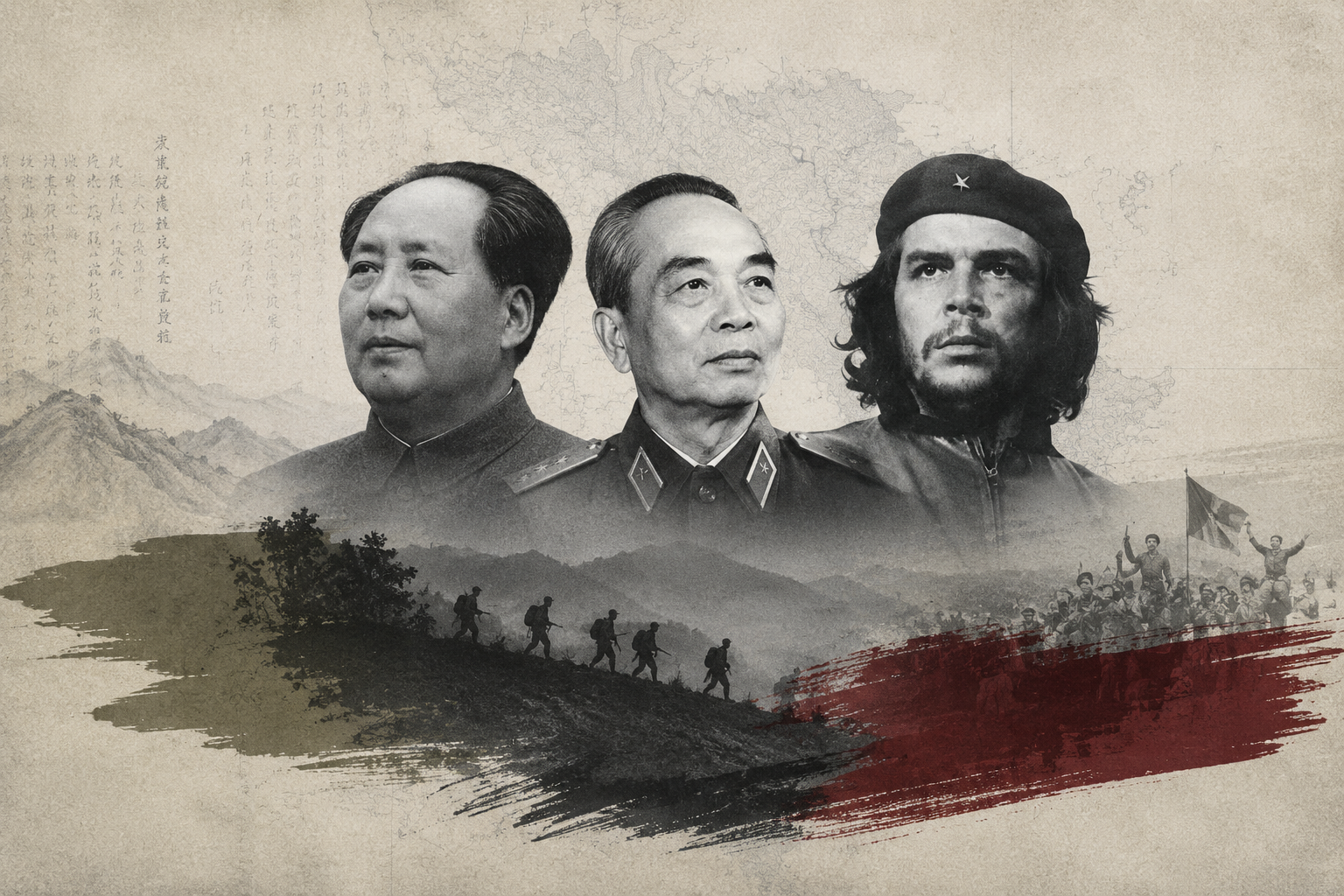
Contributor MOE GYO Moe Gyo is a writer and consultant working with ethnic organizations in Myanmar. Writing from the Thai–Myanmar borderlands, he draws on years of direct engagement with communities shaped by conflict and informal governance under prolonged irregular warfare. His writing has appeared in the Small Wars Journal and the Journal of Special Operations…
Case Study: Guatemala
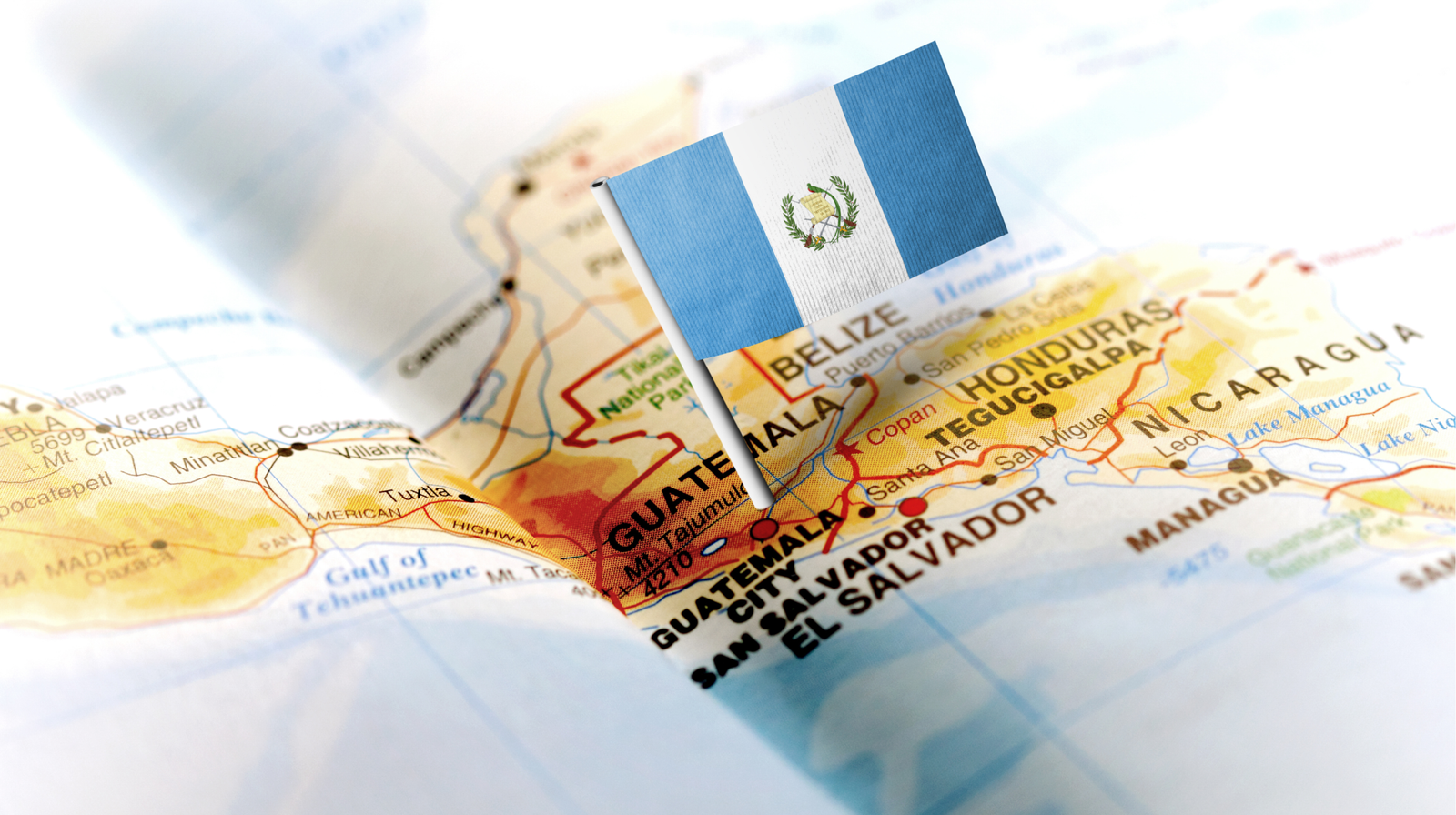
The Guatemalan decade of 1944 to 1954 sits in the small category of cases that the irregular warfare literature returns to over and over: a popular revolution, a reformist civilian government, an agrarian reform law, a foreign-owned corporation as the political fulcrum, and the 1954 Guatemalan coup that ended the experiment. The ARIS case study…
The Information Sphere Domain: Increasing Understanding and Cooperation

Contributor COL (Ret.) Patrick D. Allen, Ph.D. COL (Ret.) Patrick D. Allen, Ph.D. is Associate Editor of the Cyber Defense Review, the U.S. Army’s peer-reviewed journal on cyberspace operations. He is the primary author of Chapter 4, “Resistance Security in the Cyber Domain,” in the USASOC publication Resistance and the Cyber Domain, part of the…
Effective Counter Unconventional Warfare

The 2019 ARIS study Fostering Effective Counter Unconventional Warfare/Occupation set out to answer a question that the war in Ukraine, the 2014 annexation of Crimea, and the cyber assault on Estonia in 2007 had already made urgent: how can a state on Russia’s strategic periphery prepare to resist aggression that arrives below the threshold of…
Cuba Contingency Operation: Resistance Potential and Irregular Warfare Risk
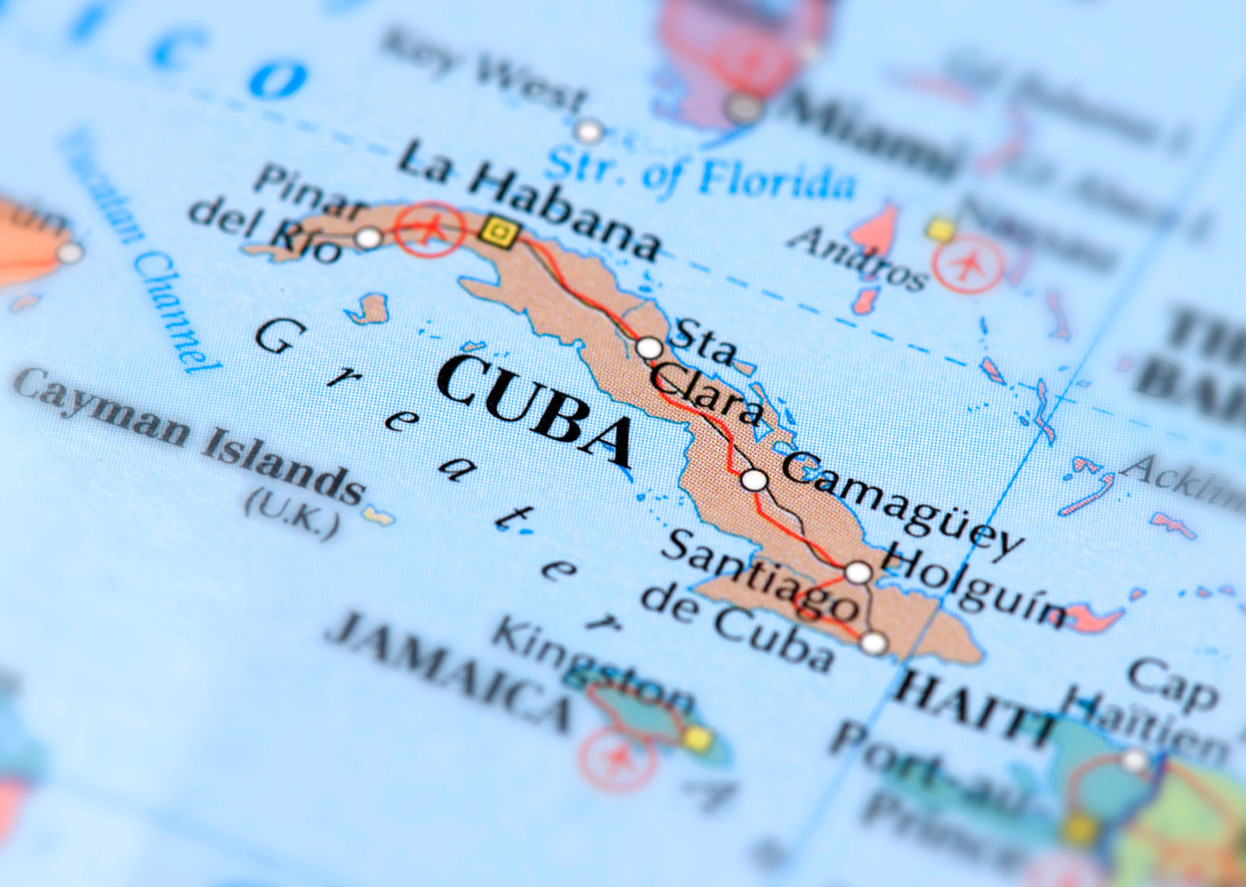
// Updated October 2026 Under Operation Southern Spear, US Southern Command led a Caribbean buildup and strikes against Venezuela that culminated in the capture of Nicolas Maduro in early 2026, per the Council on Foreign Relations. The analysis below predates that campaign. The U.S. posture toward Cuba has shifted decisively in 2026. Executive Order 14404…
Africa’s Expanding Gray Zone
// Updated October 2026 Through 2026 JNIM intensified its campaign in Mali, including a fuel blockade that squeezed Bamako and a wave of attacks in April 2026, per Chatham House and the Institute for the Study of War, escalating the threat described below. In January 2026, fighters affiliated with the Islamic State Sahel Province (ISSP)…
Easter Rising
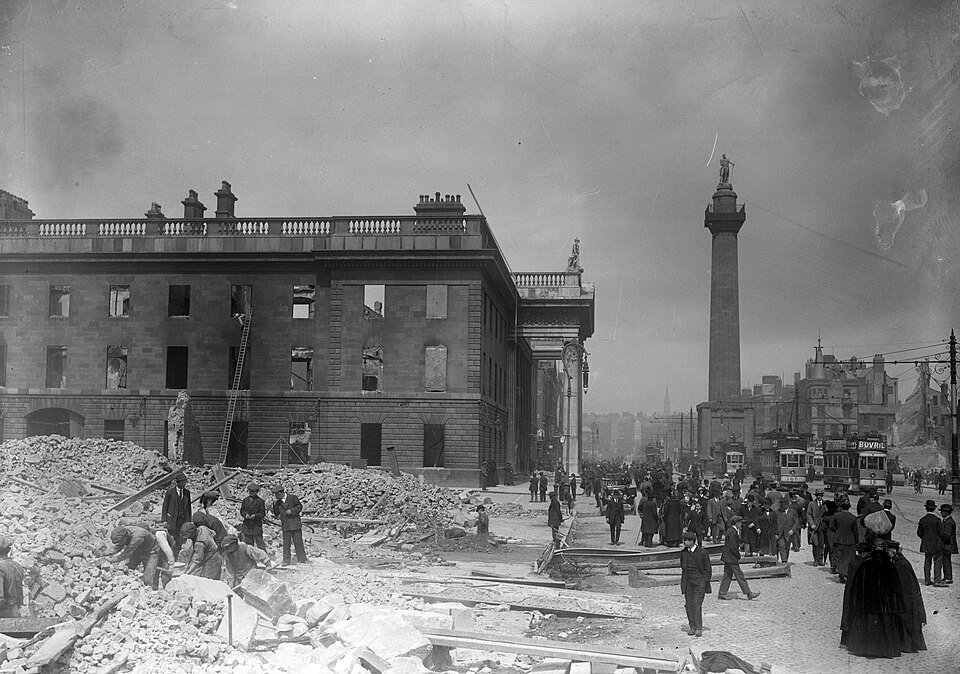
On Easter Sunday 2026, thousands gathered outside Dublin’s General Post Office (GPO) as President Catherine Connolly laid a wreath marking the 110th anniversary of the Easter Rising. An officer of the Defence Forces read the 1916 Proclamation from the same steps where Pádraig Pearse first declared an Irish republic, and military aircraft traced overhead paths…
Insurgent Governance and Civil Affairs: The Karen National Union

The Karen National Union (KNU) is an ethnic political and insurgent organization operating in southeastern Myanmar that has been engaged in a protracted conflict with the central government since 1949. As the political leadership of the Karen nationalist movement and the governing authority associated with the Karen National Liberation Army, the KNU has historically exercised…