Latest posts
Georgian Protest Movements

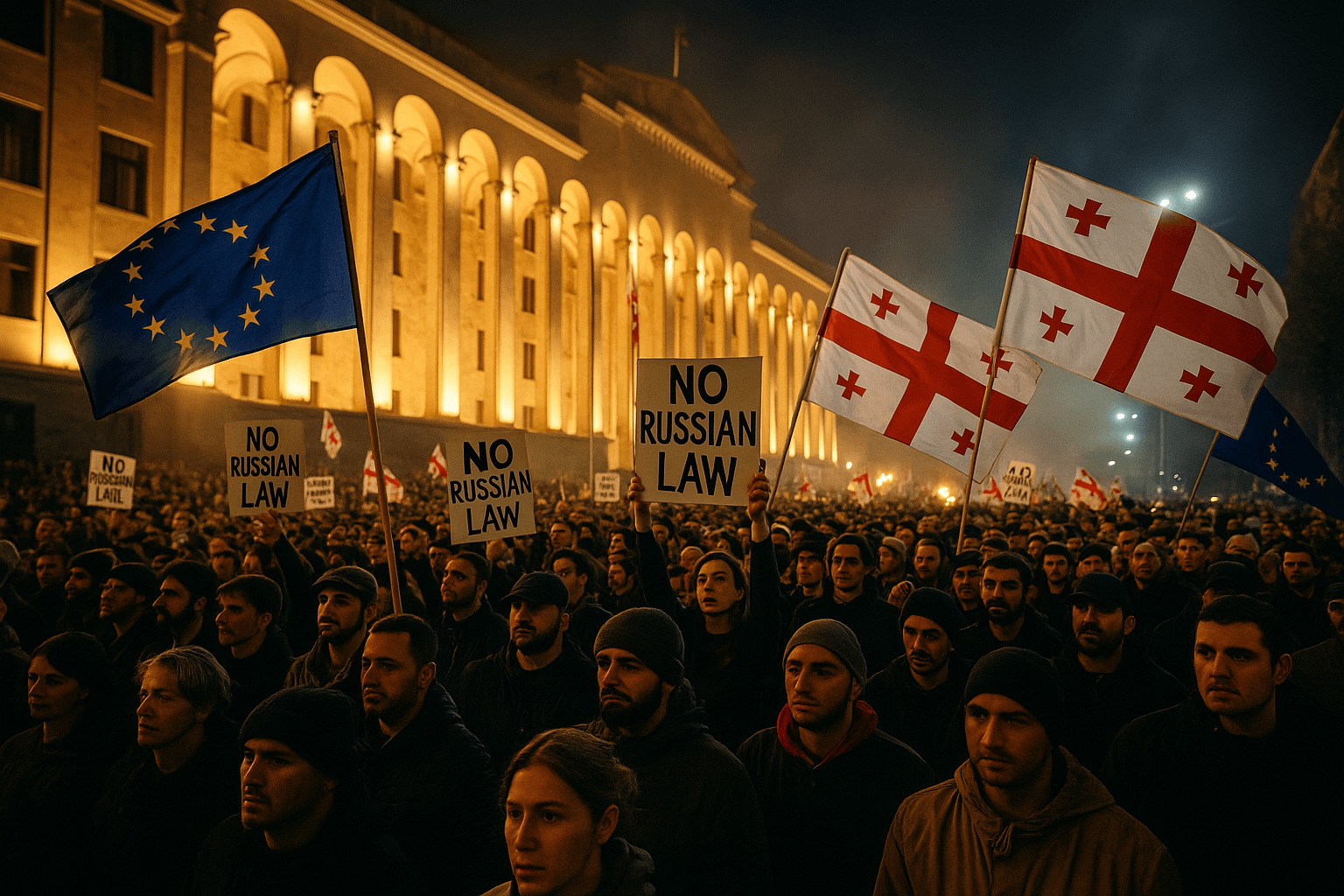
Georgian protest activity has increased, increasingly drawing attention as a symbol of civic engagement and resilience. In recent years, the country of Georgia has evolved into a focal point for civic unrest and protest movements, with citizens repeatedly taking to the streets to demand meaningful reforms, greater accountability, and a renewed commitment to democratic values.
Applying International Law to Resistance and Irregular Combatants
International Humanitarian Law (IHL)—commonly referred to as the law of armed conflict—establishes the rules that balance military necessity with humanitarian protection. These legal frameworks bind both state and non-state actors, including resistance movements and irregular combatants. Yet, the application of IHL in modern conflicts is increasingly complex, particularly when addressing proportionality, targeting, and legal accountability
Resistance Movements in Occupied Territories: A Historical Perspective
Throughout history, resistance movements have been vital to the human spirit’s quest for freedom and justice. When territories have fallen under occupation, whether by foreign invaders, colonizers, or oppressive regimes, organized resistance—both violent and non-violent—has often emerged as a response. These movements reflect the resilience and ingenuity of oppressed populations striving for autonomy. Below, we
Influence in Irregular Warfare: The Power Behind Legitimacy and Resistance
Influence is the quiet power that determines how wars are fought and remembered. Long before tanks move or alliances form, beliefs are shaped, quietly, continuously, and often without awareness. In irregular warfare and resistance movements, this invisible contest decides legitimacy, cohesion, and endurance. Fighters may hold ground for a season, but narratives hold populations for
Subversion: Unseen Forces That Reshape History
Subversion has shaped the destinies of nations, altering history without requiring open conflict or conventional warfare. Unlike direct sabotage or military action, it works quietly and indirectly. Subversion infiltrates institutions, shifts public opinion, and reshapes ideologies from within. Its power lies in stealth, not speed. By patiently exploiting internal weaknesses, it slowly erodes authority without
The Use of Espionage by Resistance Movements
The Invisible Foundation of Resistance Espionage is the first tool of resistance, the act of gathering, concealing, and transmitting knowledge when discovery means death. In denied territory, where an occupying power controls the instruments of state and surveillance, open defiance is impossible. Underground networks connect isolated cells, protect leadership, and turn awareness into action. Through
Subversion
Subversion is among the most potent—and least understood—tactics in the arsenal of resistance movements. It is the art of undermining an adversary’s power structures from within, using psychological, social, and political tools to destabilize institutions and delegitimize authority. From the Cold War’s covert campaigns to the grassroots uprisings of the Arab Spring, it has played
What’s Next For Syria
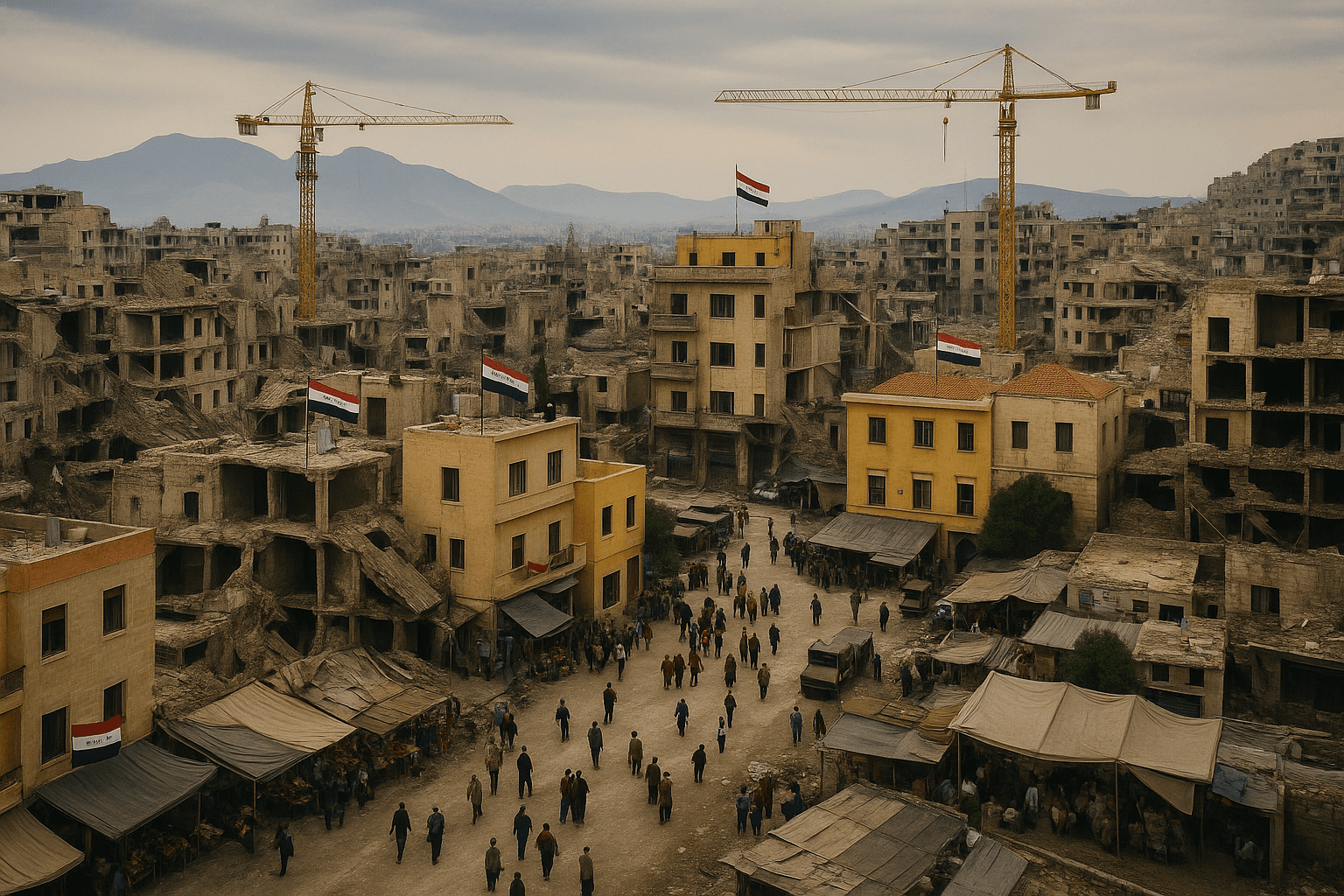
When the guns fall silent, the battle for a country’s future begins. The history of post-conflict transitions shows that what happens after the fighting can be as decisive as the war itself. Poorly managed transitions can lead to chaos, extremist resurgence, and renewed bloodshed. Well-structured ones can stabilize a nation and open a path to