Latest posts
Georgian Protest Movements
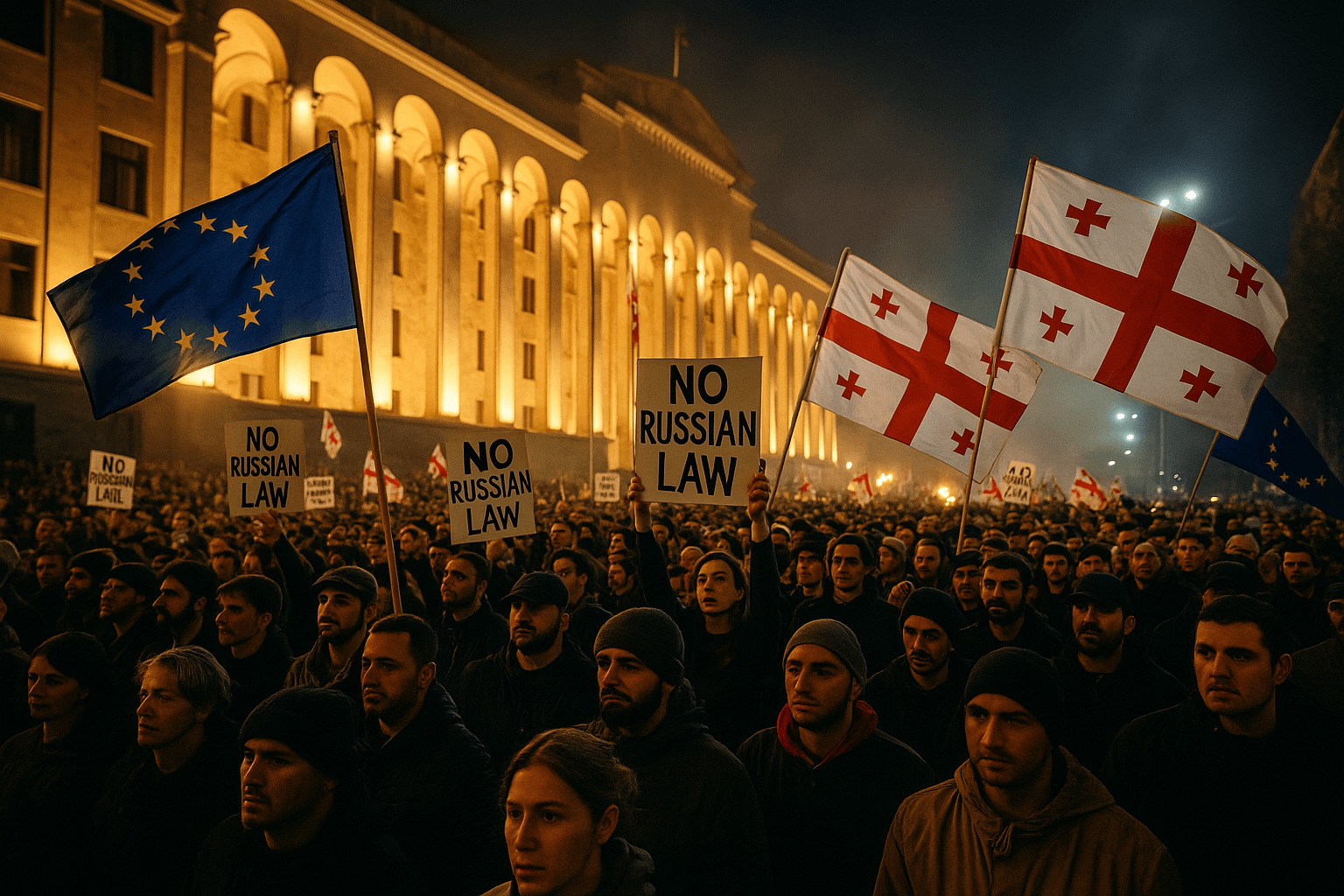
Since 2023, Georgia has become one of the most significant theaters of mass civic resistance in Europe. Hundreds of thousands of Georgians have taken to the streets repeatedly — first to defeat a Russian-style “foreign agents” law in 2023, then to contest disputed parliamentary elections in October 2024, and finally to confront the ruling Georgian…
Applying International Law to Resistance and Irregular Combatants
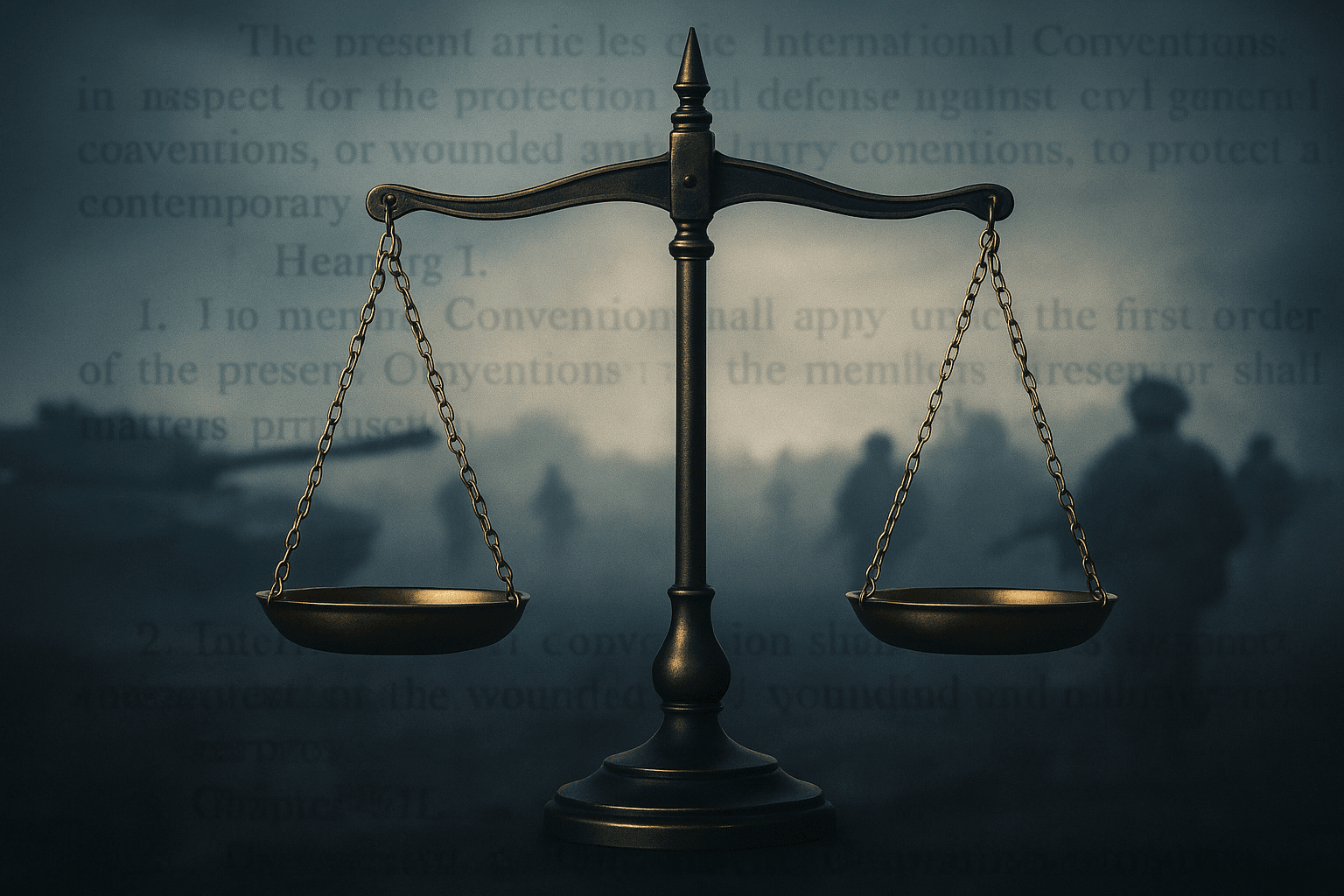
International Humanitarian Law (IHL)—commonly referred to as the law of armed conflict—establishes the rules that balance military necessity with humanitarian protection. These legal frameworks bind both state and non-state actors, including resistance movements and irregular combatants. Yet, the application of IHL in modern conflicts is increasingly complex, particularly when addressing proportionality, targeting, and legal accountability…
Resistance Movements in Occupied Territories: A Historical Perspective
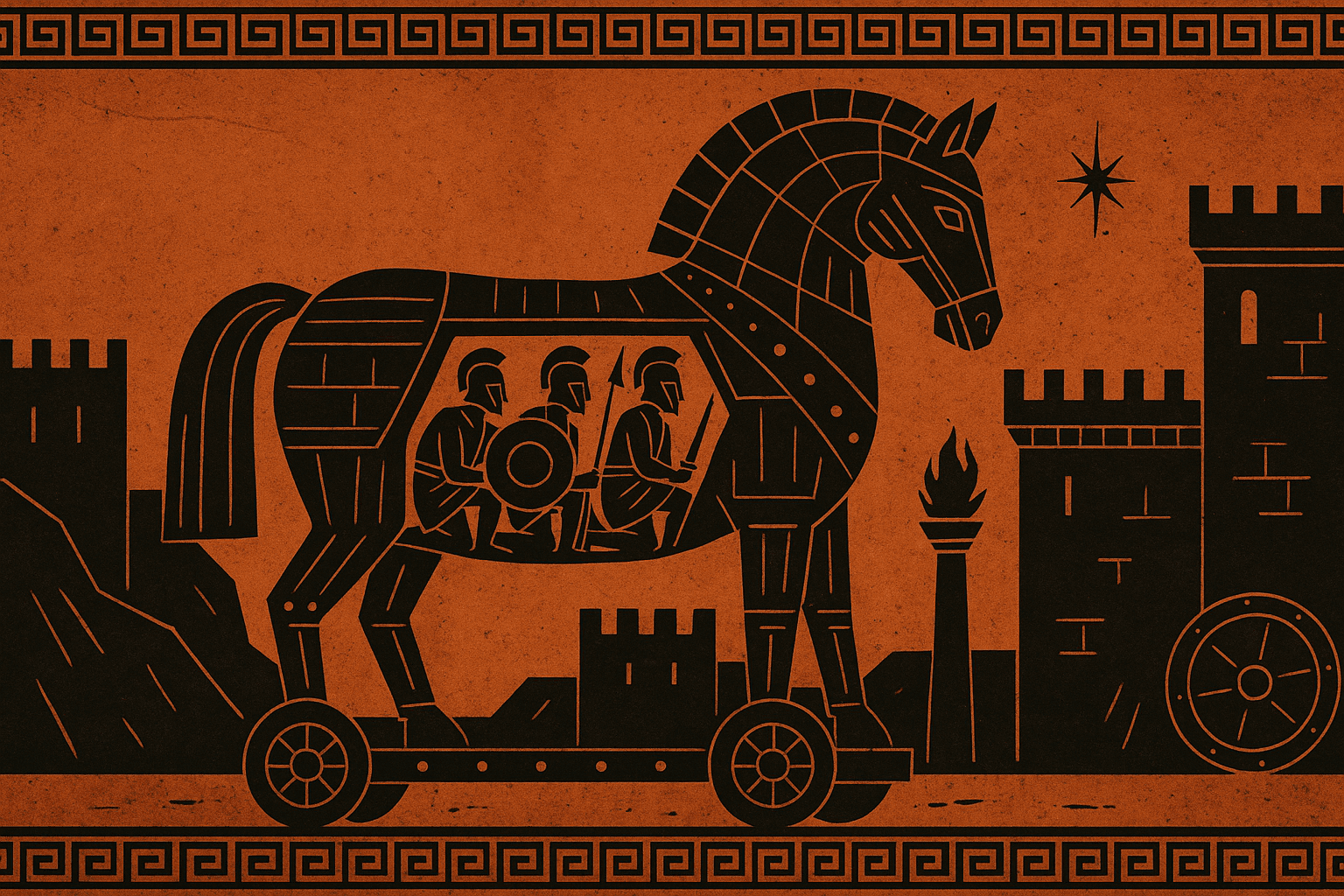
// UPDATE — MARCH 2026 This article has been substantially expanded with deeper historical analysis, Cold War-era cases, and modern examples including Ukrainian territorial resistance, Myanmar’s civil disobedience movement, and Sudan’s resistance committees. Internal links and reading resources updated throughout. Throughout history, resistance movements have been vital to the human spirit’s quest for freedom and…
Subversion: Unseen Forces That Reshape History
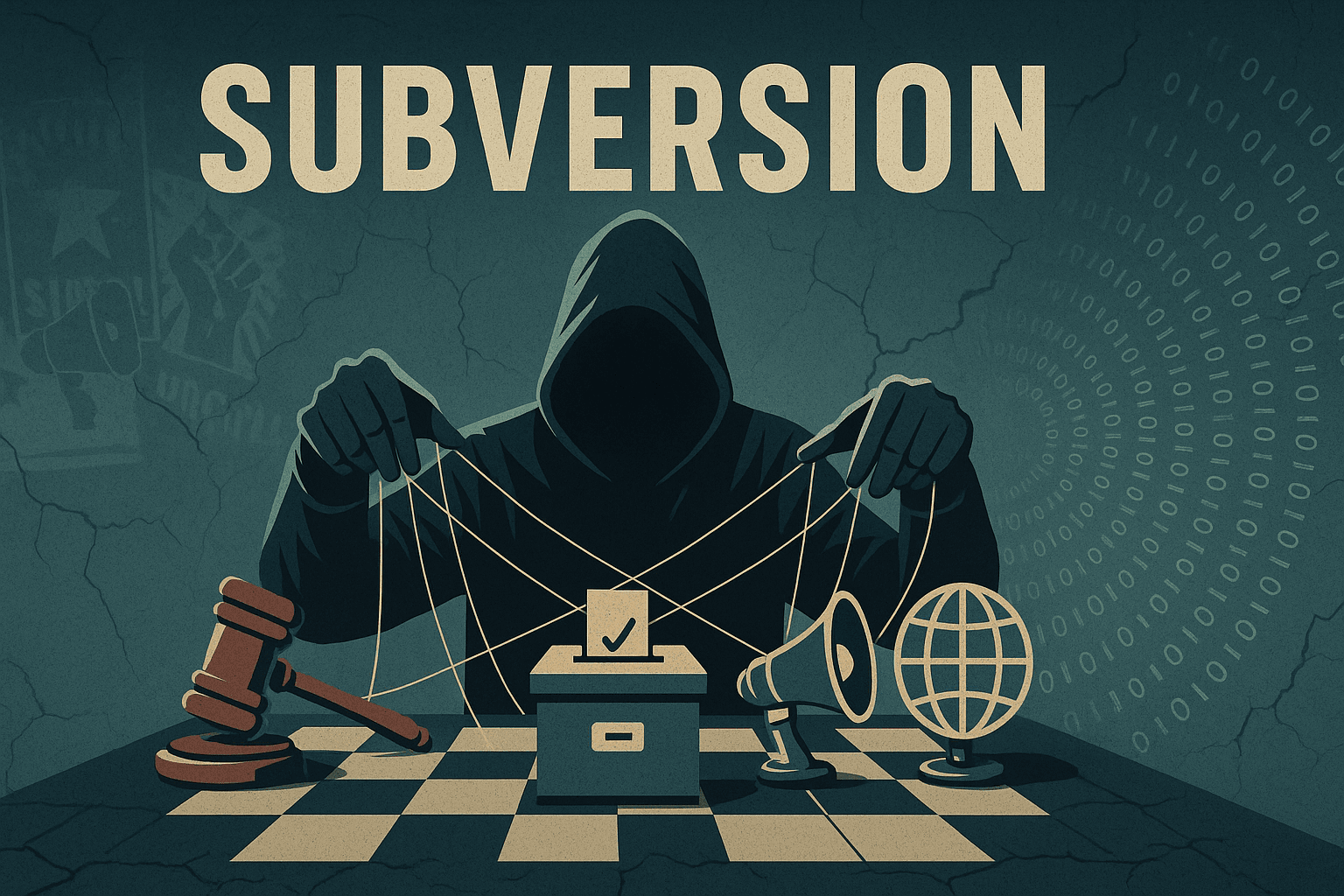
Subversion is best understood not through definitions but through its application. For a foundational overview of what subversion is and how it operates, see our core guide on subversion. This article examines the practice itself — the movements that wielded subversion to reshape nations, the theoretical frameworks that informed them, and the modern tools that…
Sabotage in Warfare: A Brief History
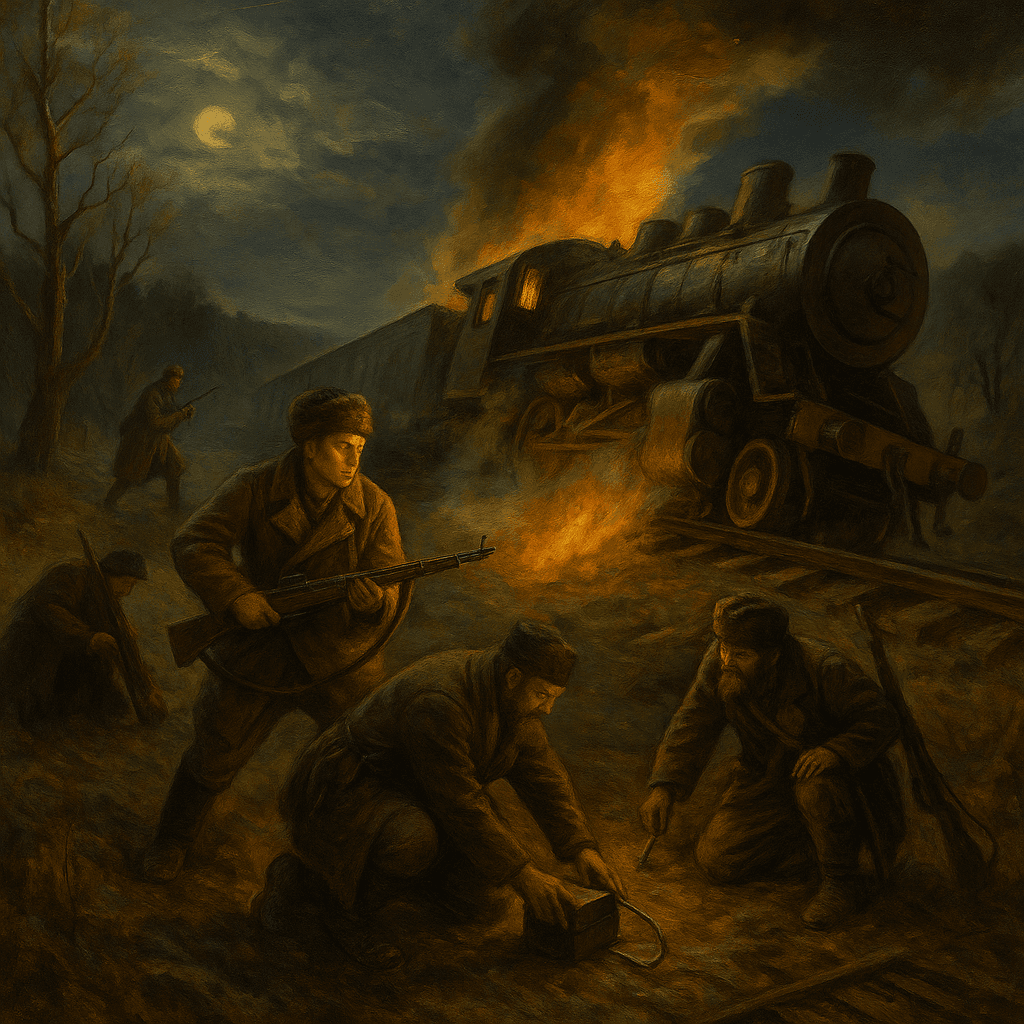
Sabotage — the deliberate destruction or disruption of resources, operations, or systems — has long been a vital tactic in warfare. Often wielded by smaller forces unable to confront enemies directly, it allows them to erode the power and momentum of larger, better-equipped adversaries. From the physical destruction of ancient siege engines to the precision…
The Revolutionary Strategies of Che Guevara
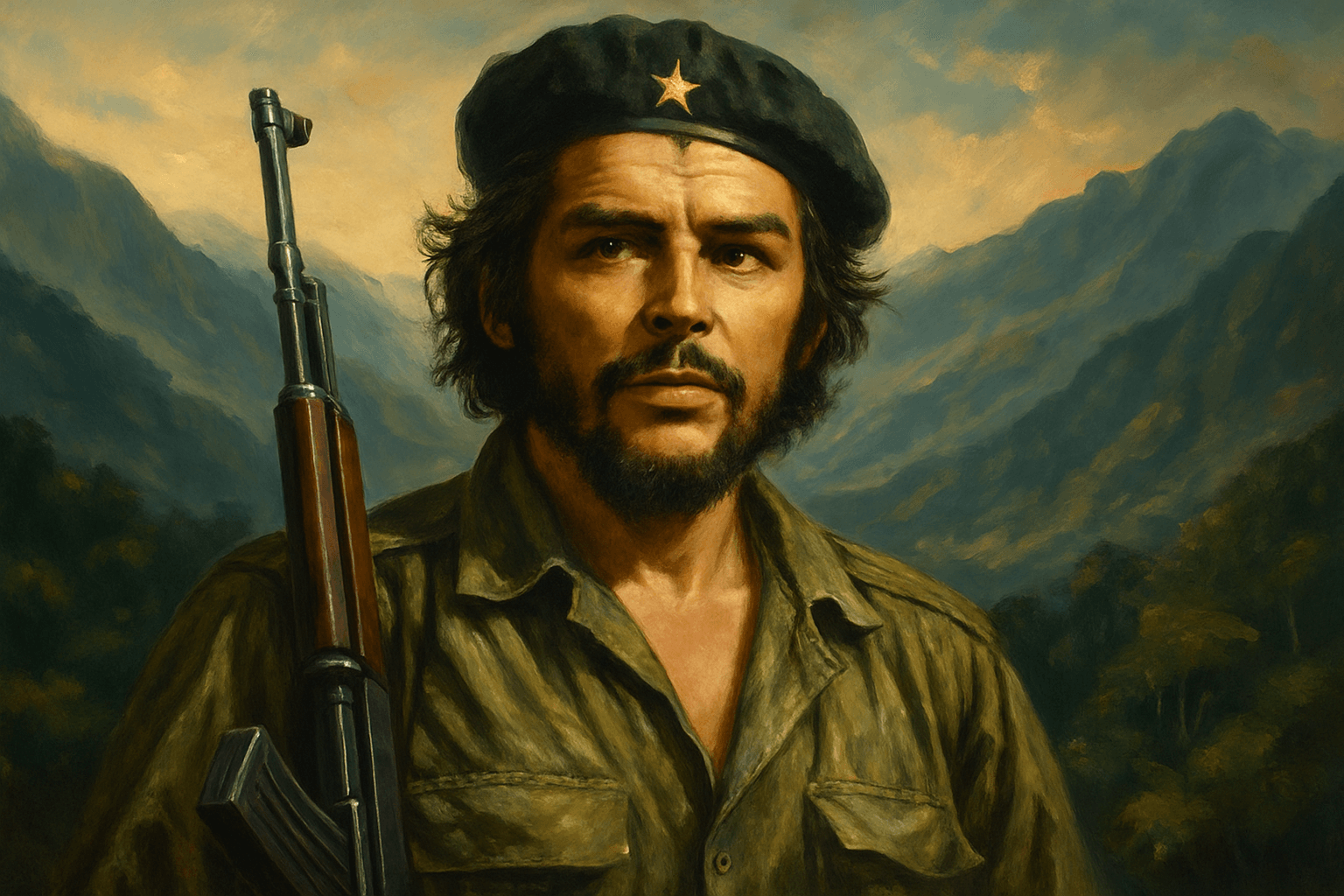
Che Guevara: Revolutionary Icon, Guerrilla Strategist, and Controversial Legacy Few figures in modern history evoke as much debate as Ernesto “Che” Guevara. His name is often linked to revolution, guerrilla warfare, and defiance against imperialism. Yet the iconic image on T-shirts and protest banners only scratches the surface. Behind the symbol was a complex strategist…
T.E. Lawrence
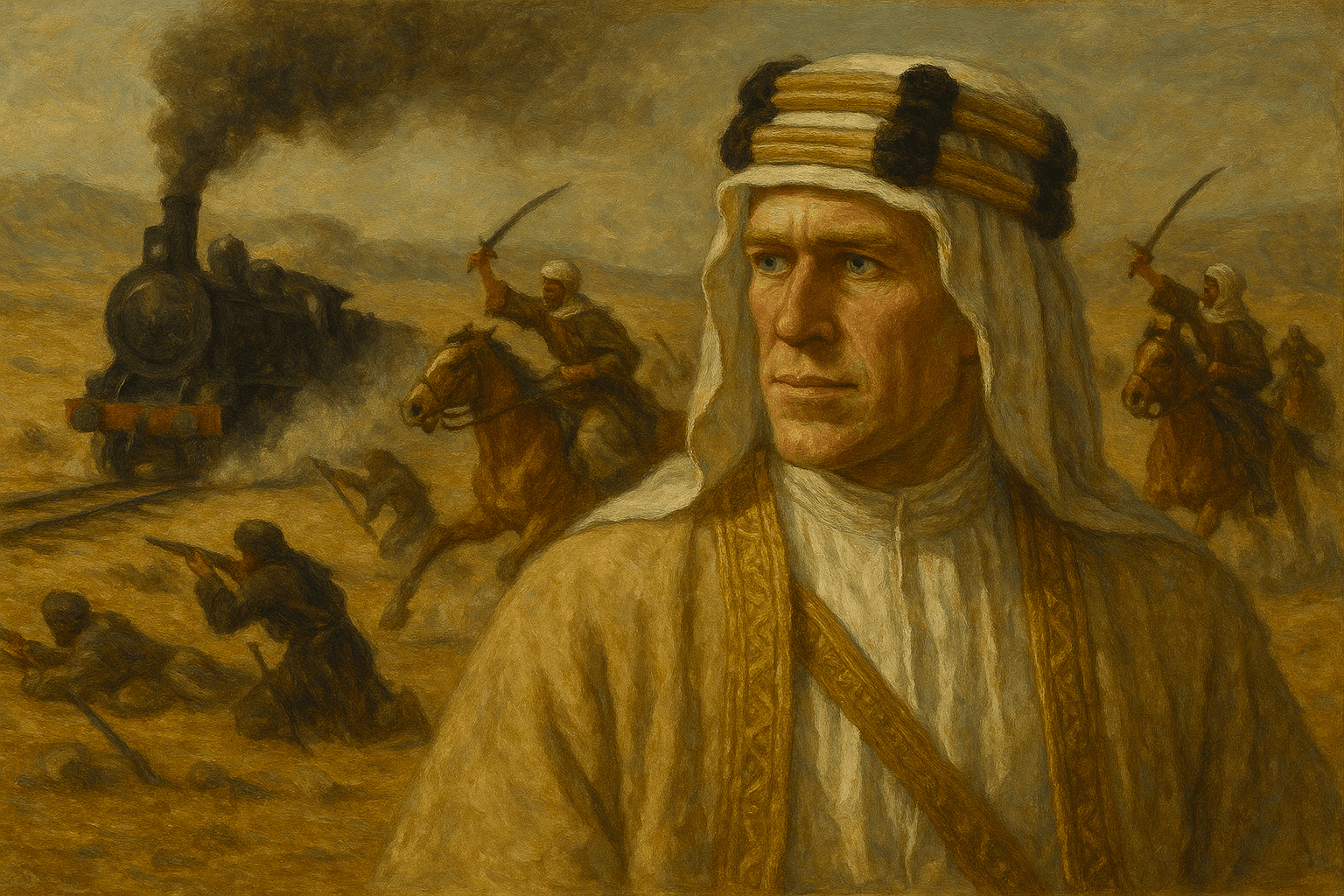
T.E. Lawrence, celebrated as Lawrence of Arabia, transformed the art of irregular warfare. His campaigns during the Arab Revolt against the Ottoman Empire combined strategic brilliance with cultural sensitivity, changing the way modern militaries think and operate. Operating in the harsh deserts of the Arabian Peninsula during World War I, Lawrence partnered with Bedouin tribes…
Mao Zedong’s Guerrilla Strategies
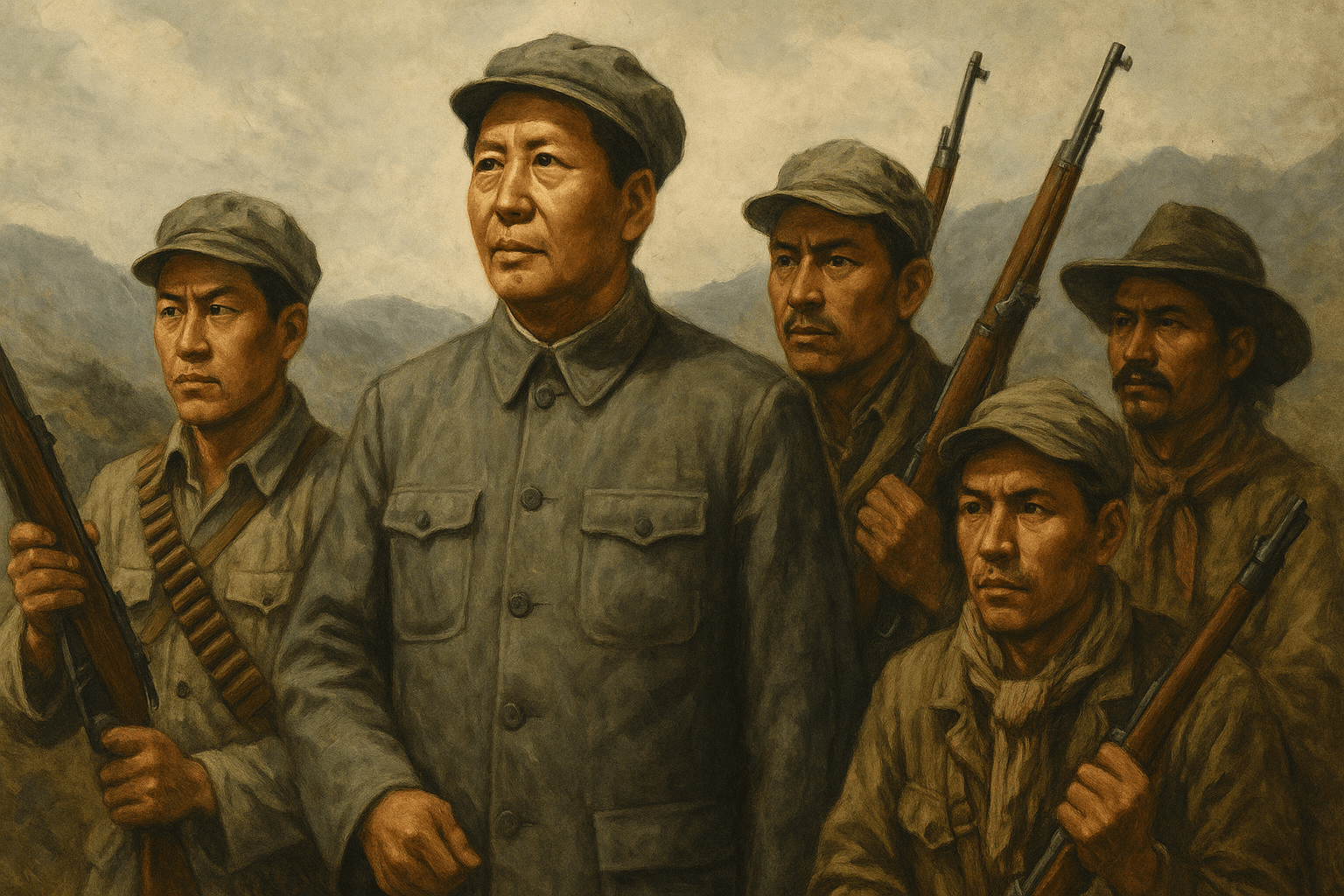
Mao Zedong and the Foundations of Guerrilla Warfare Mao Zedong reshaped 20th-century insurgency by fusing military tactics with political ideology and social mobilization. His doctrine of People’s War emphasized class power, protracted struggle, and the integration of political and military effort. These principles carried the Chinese Communist Party (CCP) through the Chinese Civil War and…