
Latest posts
Operation Valkyrie
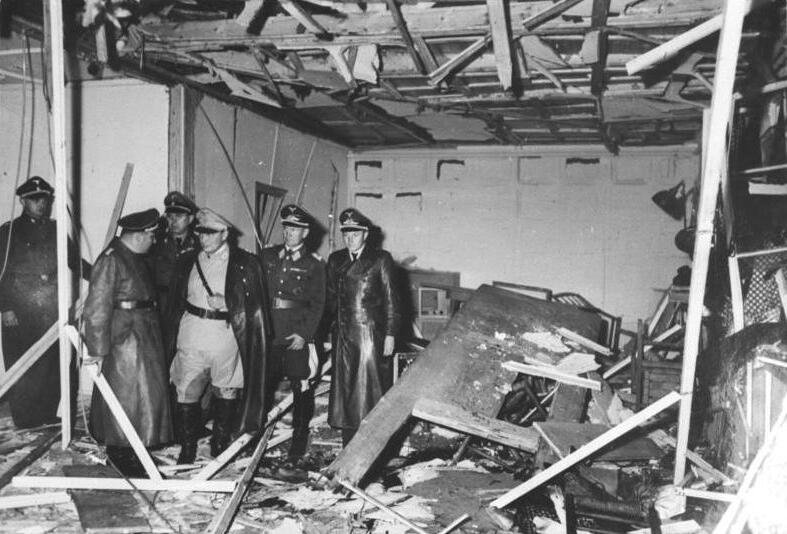
Eighty-two years ago, in July 1944, a decorated colonel walked into Adolf Hitler’s most secure headquarters carrying a briefcase, set it down a few feet from the man he intended to kill, and left the room. The charge detonated at 12:42 on 20 July 1944, the signal that was meant to launch Operation Valkyrie. Hitler…
Easter Rising
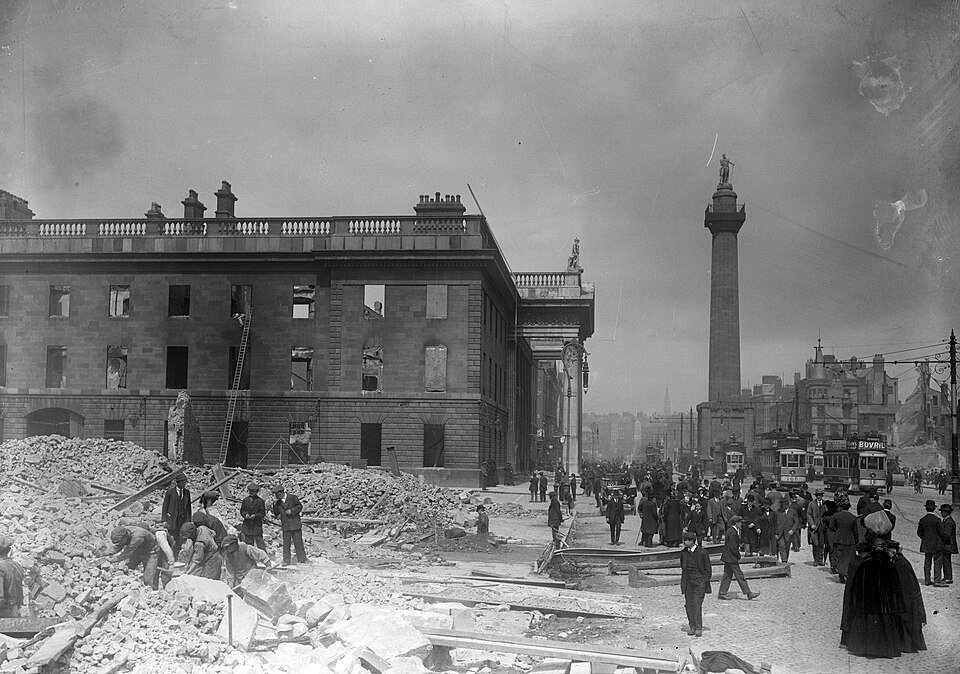
On Easter Sunday 2026, thousands gathered outside Dublin’s General Post Office (GPO) as President Catherine Connolly laid a wreath marking the 110th anniversary of the Easter Rising. An officer of the Defence Forces read the 1916 Proclamation from the same steps where Pádraig Pearse first declared an Irish republic, and military aircraft traced overhead paths…
The Knights Dilemma: Evolution of Elite Warfare

On October 25, 1415, in a muddy French field, the age of the knight began to die. The Battle of Agincourt was a collision of peak military capability, the feudal knight, and the battlefield introduction of cheap massed fires from the British longbow. Thousands of armored nobles, bound by centuries of skill, ritual, and pride,…
Revolution in Our Roots: America’s Founding as a Case Study in Irregular Warfare

One of the things that sets the United States apart on the global stage is its singular independence. In much of the world, particularly across Eastern Europe, independence is a cycle. It is declared, lost, reclaimed, and redefined. Ukraine has at least three independence anniversaries. Georgia celebrates its break from the Russian Empire, the Soviet…
Irregular, Asymmetric, Hybrid, and Guerrilla Warfare: Sorting the Terms That Shape Modern Conflict
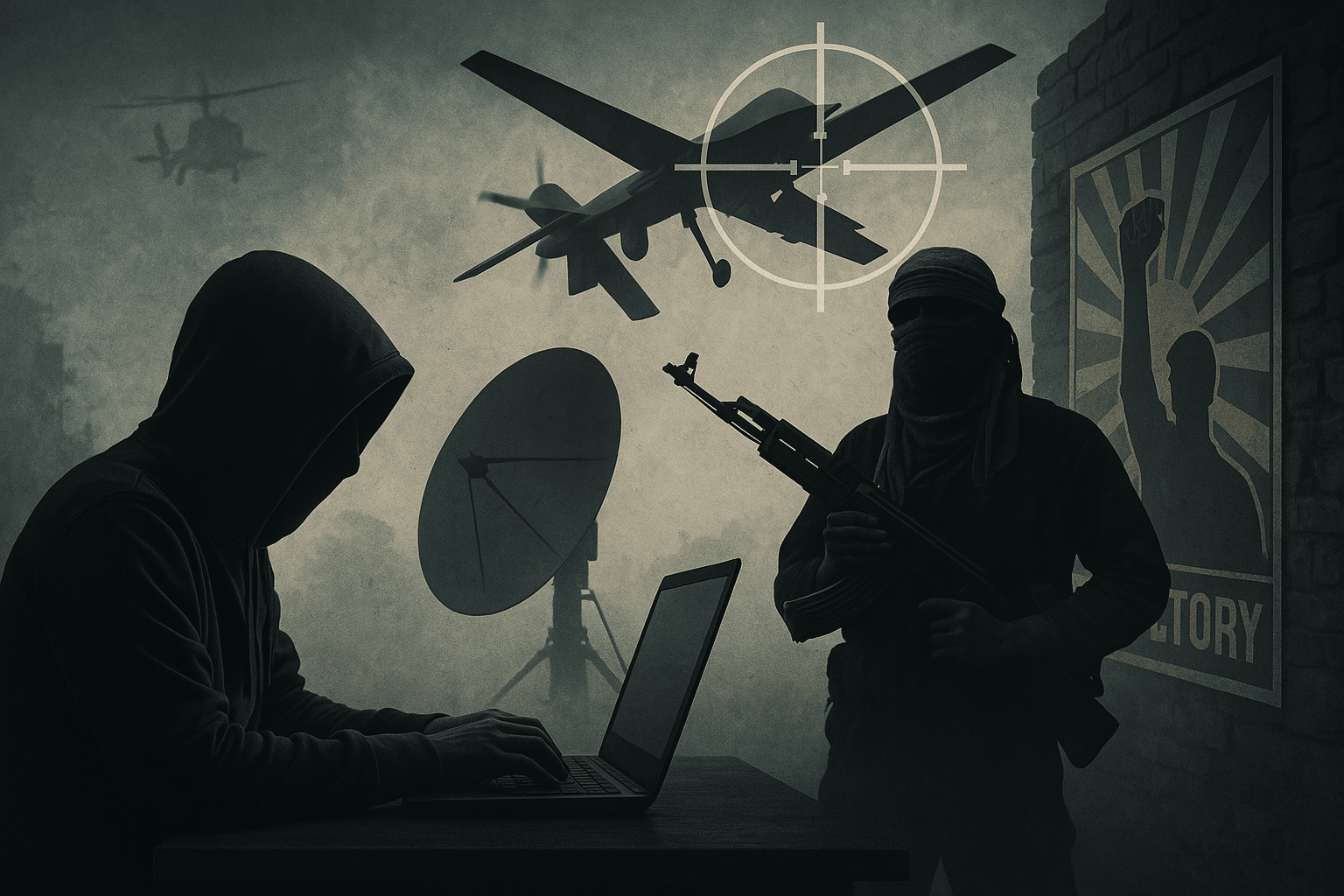
The modern battlefield is no longer confined to tanks, trenches, and clearly drawn front lines. Today’s conflicts merge propaganda with cyber attacks, insurgents with drones, and militias with memes. As this environment evolves, so too does the language we use to describe it. Irregular, asymmetric, hybrid, and guerrilla warfare are four of the most commonly…
Much Ado About Drones

Small unmanned aerial systems are reshaping tactical engagements, but for the United States they remain an evolutionary capability rather than a revolutionary one. Timothy Brown argues that counter-UAS fluency, not drone procurement, is the lesson to draw from Ukraine and the 2026 Iran war.
Revolutionary Spirits Explores the Enduring Legacy of Che Guevara’s Guerrilla Doctrine
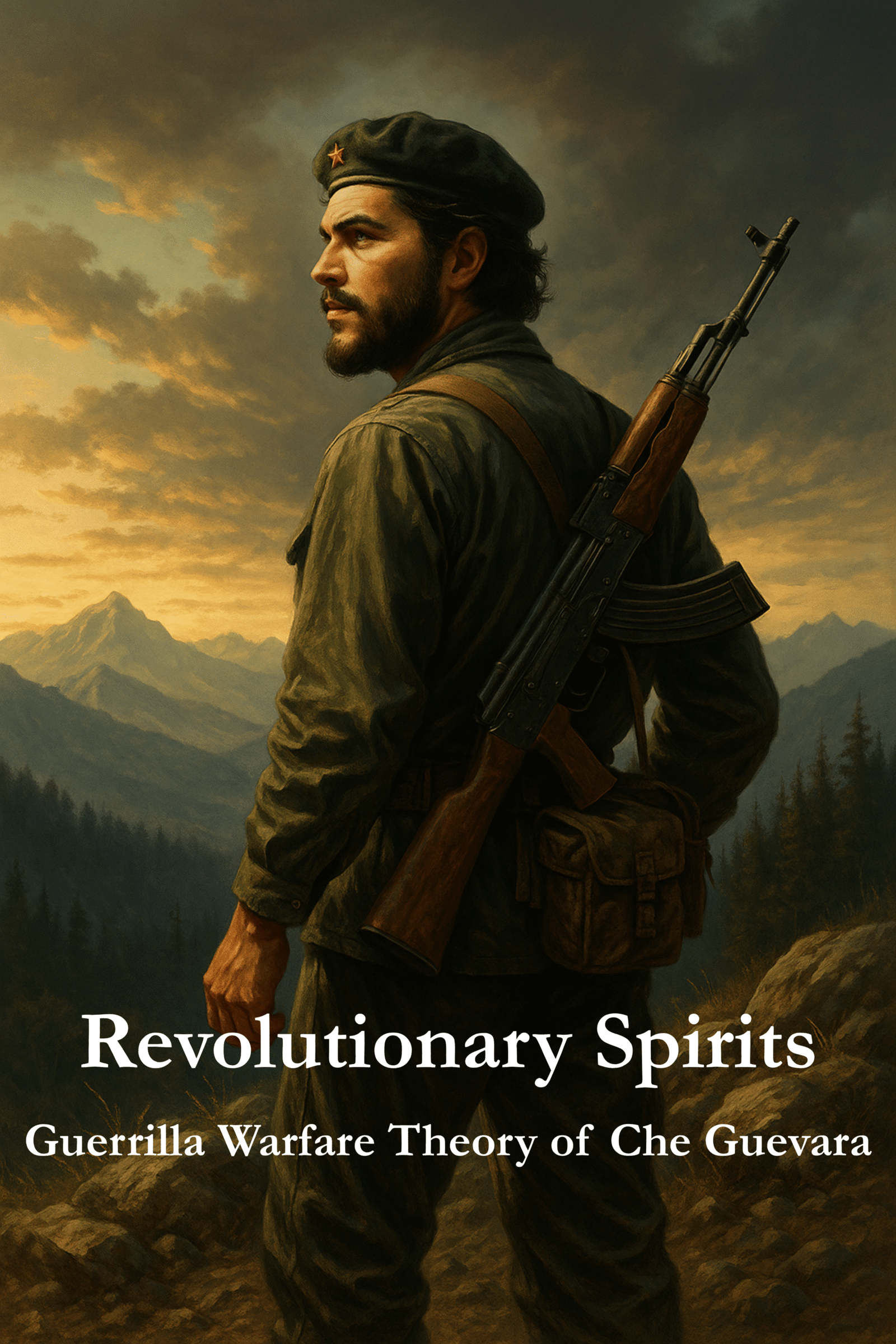
What remains of Che Guevara’s theory of revolution in the 21st century? In an era shaped by cyber conflict, proxy insurgencies, and state surveillance, a return to Guevara’s foundational ideas might seem anachronistic, or surprisingly prescient. A new title released this week by Distillery Press, Revolutionary Spirits: Guerrilla Warfare Theory of Che Guevara, invites readers…
The White Rose Movement: Defying the Nazi Regime with Words

Resistance doesn’t always come in the form of armed rebellion. Sometimes, it takes shape through ideas, printed, whispered, and passed quietly from hand to hand. In the heart of Nazi Germany, a small group of university students and one professor chose to fight back. They carried no weapons and planned no military operations. Instead, they…