
Latest posts
Tripoli Erupts: Power Struggles and Civilian Impact in Libya’s Fragmented Capital
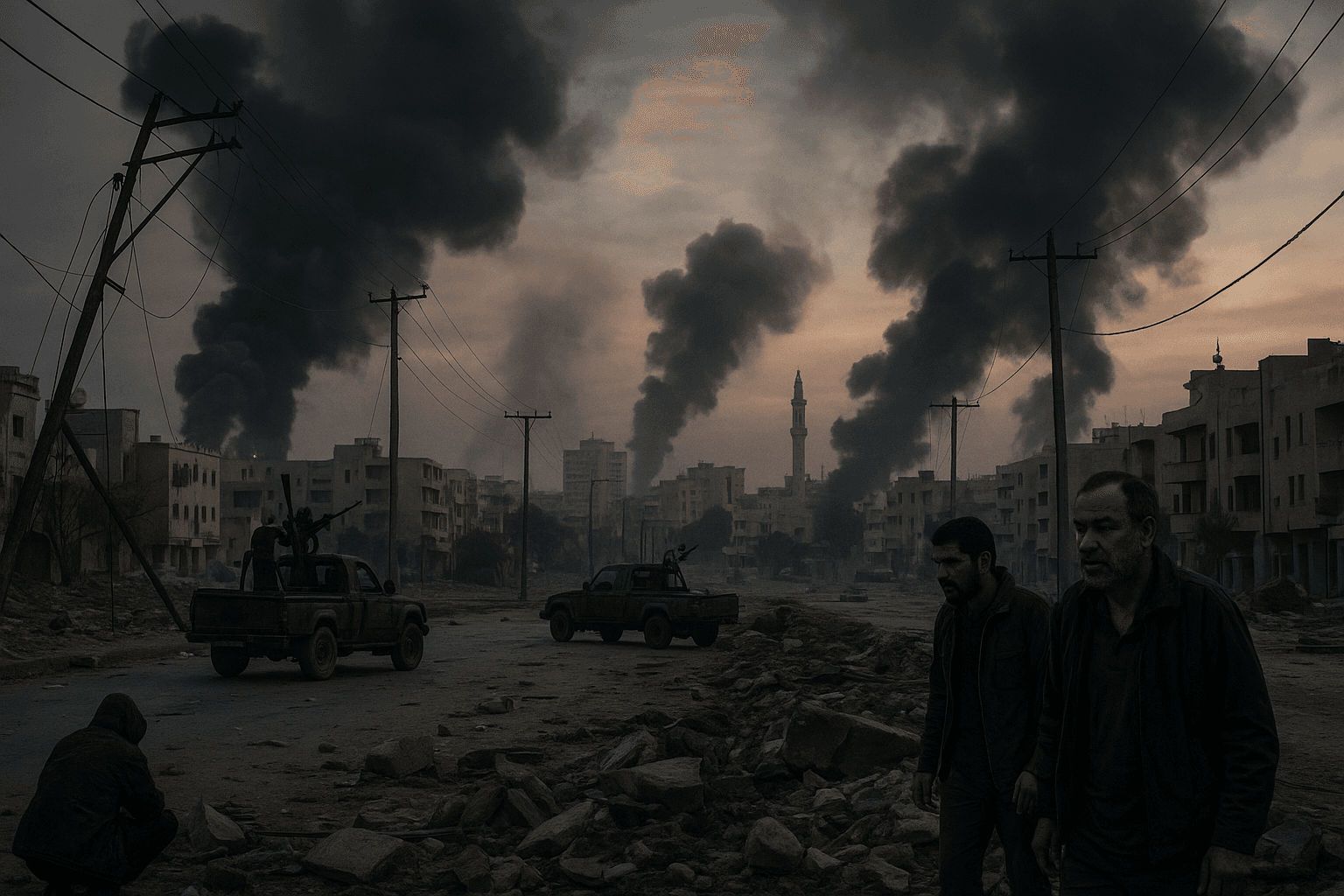
Tripoli is once again in the crosshairs of conflict. A sudden wave of violence swept through the Libyan capital in May 2025 after the killing of a powerful militia commander, disrupting daily life and plunging neighborhoods into darkness, both figuratively and literally. For the city’s residents, power cuts, street battles, and checkpoints are the symptoms
Crossing the Line of Control: How Irregular and Hybrid Warfare Could Shape a Renewed India-Pakistan Confrontation
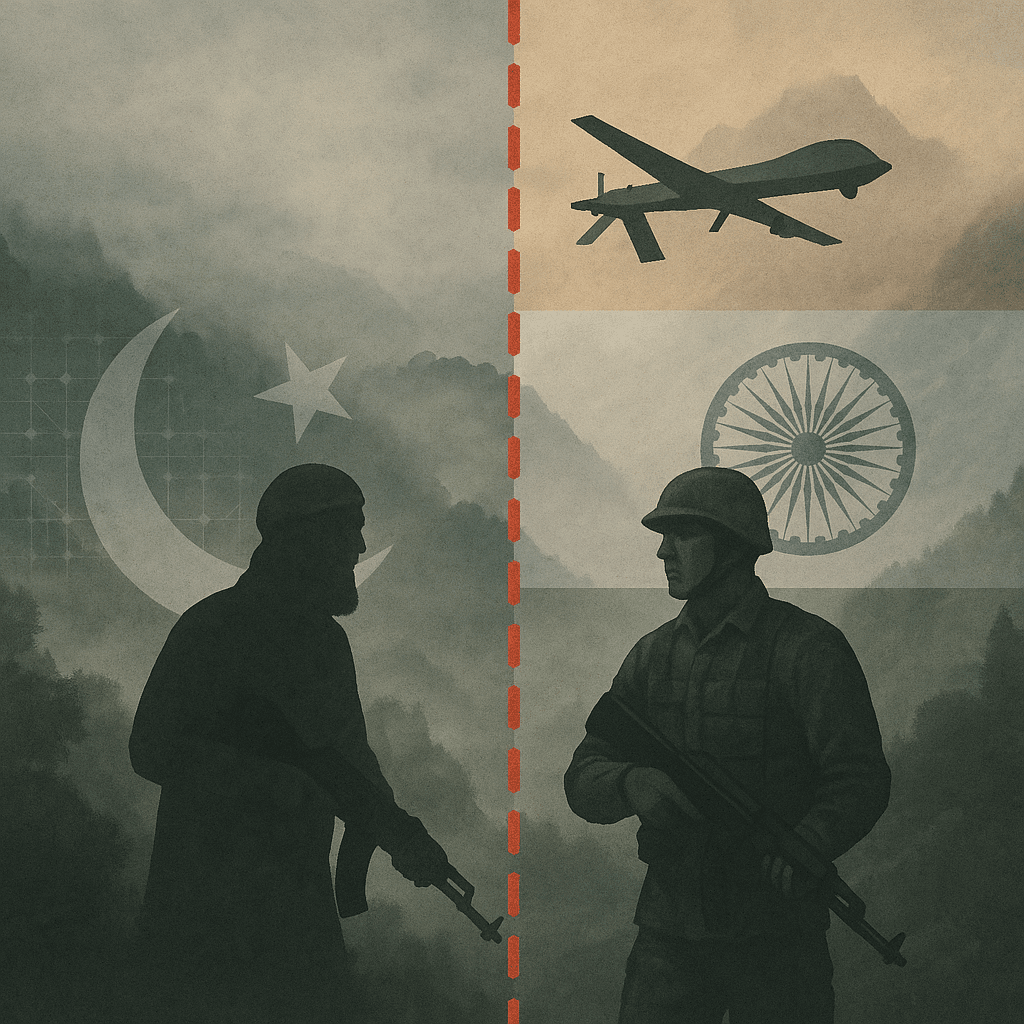
The Resistance Hub does not take positions on the India–Pakistan conflict or advocate for the use of force by any actor. This article analyzes irregular, asymmetric, hybrid, and unconventional warfare dimensions of the 2025 India-Pakistan confrontation. All assessments are based solely on publicly available information. The goal is to understand how non-conventional strategies were used
The Silent Weapon: The Role of Sabotage in Hybrid Warfare Today

In the battles of the 21st century, the frontlines are rarely marked by barbed wire or tank traps. Instead, the decisive blows often land silently, deep inside enemy territory, disrupting logistics, crippling morale, and fracturing trust — all without a single shot fired. This is the domain of sabotage, the quiet engine of hybrid warfare.
Australia’s Strategic Role in Irregular and Hybrid Warfare Across the Indo-Pacific

The Indo-Pacific has emerged as one of the most contested strategic environments of the 21st century — not through conventional military confrontation, but through the persistent, low-visibility competition that defines hybrid warfare. From maritime militia operations in the South China Sea to cyber intrusions targeting critical infrastructure across Southeast Asia, the tools of irregular conflict
India at the Crossroads of Modern Conflict: From Jungle Warfare to Cyber Frontlines
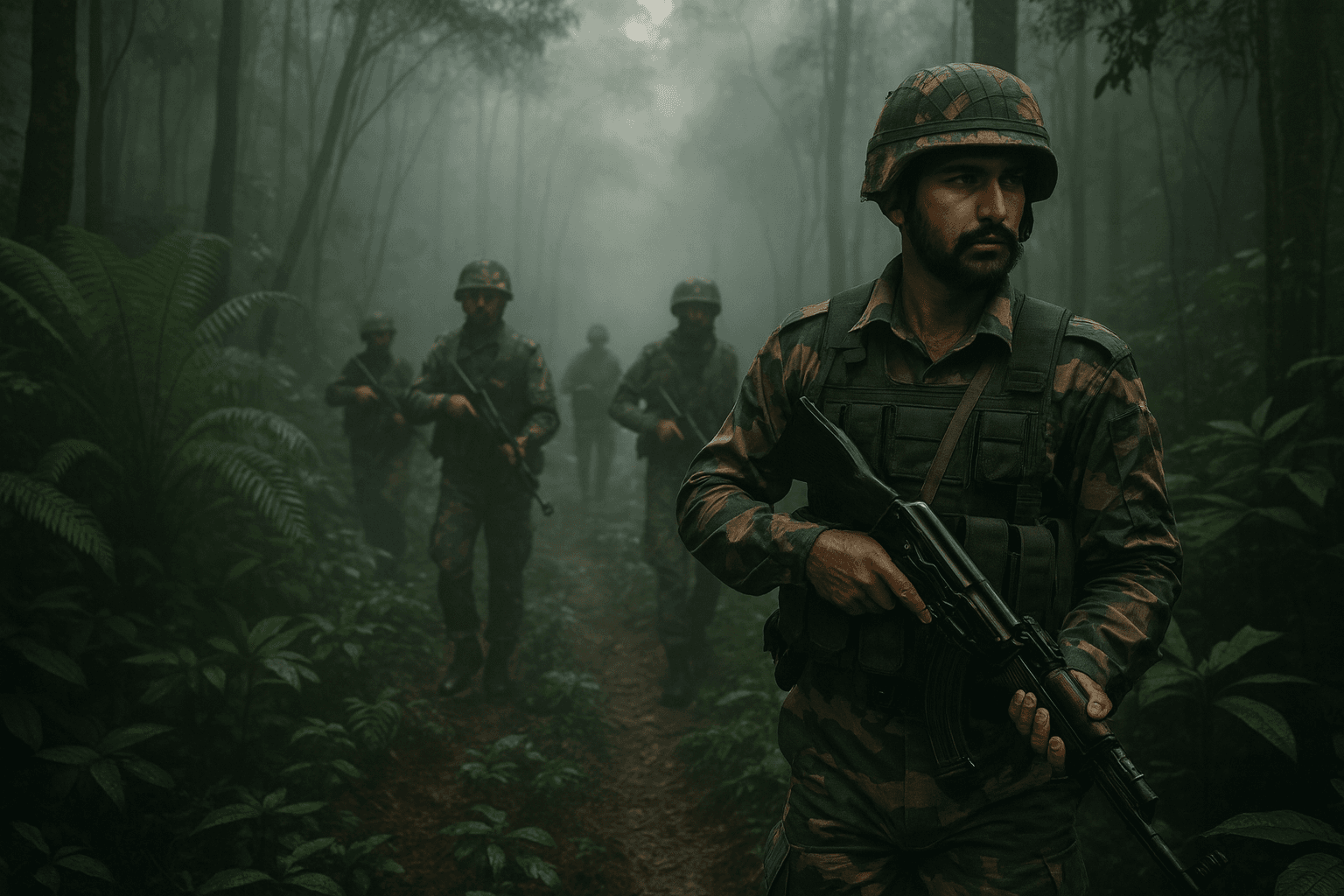
India now faces a complex security environment where conventional threats are merging with irregular challenges. From Chhattisgarh’s jungles to cyberspace, India’s security dilemmas reflect global conflict trends. These include a fusion of insurgency, cyber operations, and hybrid aggression—blurring the lines between internal unrest and external threats. Blurring Lines Between Conventional and Irregular Threats The evolving
Why Politicized Militaries Like China’s and Russia’s Are Vulnerable to Irregular Warfare
From the outside, authoritarian militaries project order, strength, and cohesion. Flags wave. Ranks shine. Parades thunder with disciplined force. But beneath the surface of tightly controlled structures like China’s People’s Liberation Army (PLA) and Russia’s Armed Forces lies a brittle foundation — one that irregular warfare is uniquely suited to exploit. Despite overwhelming firepower and
Irregular, Asymmetric, Hybrid, and Guerrilla Warfare: Sorting the Terms That Shape Modern Conflict
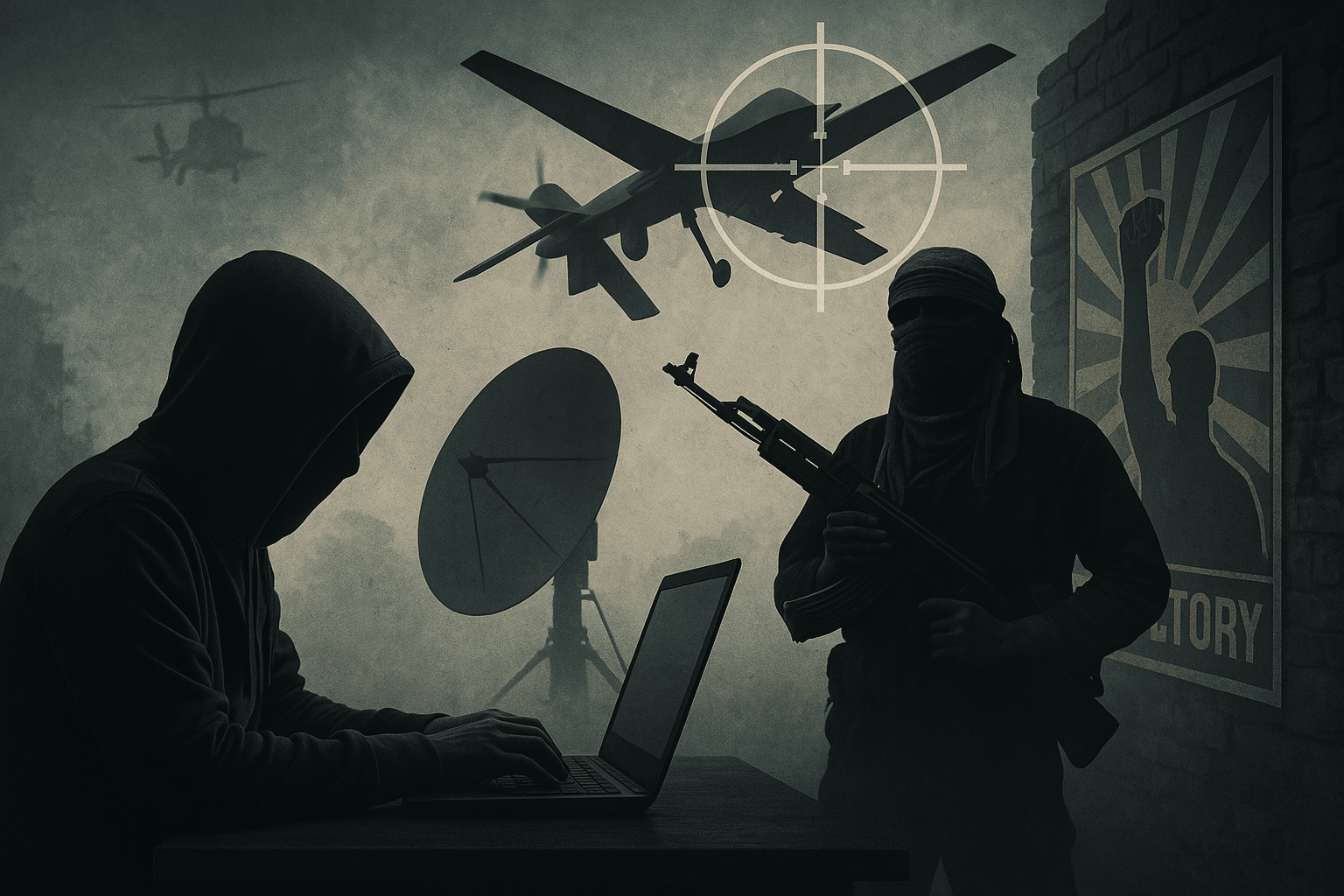
The modern battlefield is no longer confined to tanks, trenches, and clearly drawn front lines. Today’s conflicts merge propaganda with cyber attacks, insurgents with drones, and militias with memes. As this environment evolves, so too does the language we use to describe it. Irregular, asymmetric, hybrid, and guerrilla warfare are four of the most commonly
The Weaponization of Information: How Disinformation Fuels Modern Warfare

In today’s connected world, disinformation has become one of the most powerful weapons in modern warfare. It spreads faster than bullets and undermines its targets from within — without a single shot fired. More dangerous than mere falsehoods, disinformation consists of deliberately constructed narratives designed to manipulate perception, erode trust, and achieve strategic objectives by