
Latest posts
Case Study: Colombia

The Colombian conflict has the unfortunate distinction of being one of the longest-running civil wars in the modern world. Its conventional starting date is 1964, when government forces moved against a small communist self-defense enclave at Marquetalia in the Tolima mountains and the survivors regrouped under Manuel Marulanda, adopting the name Fuerzas Armadas Revolucionarias de…
Case Study: Algeria
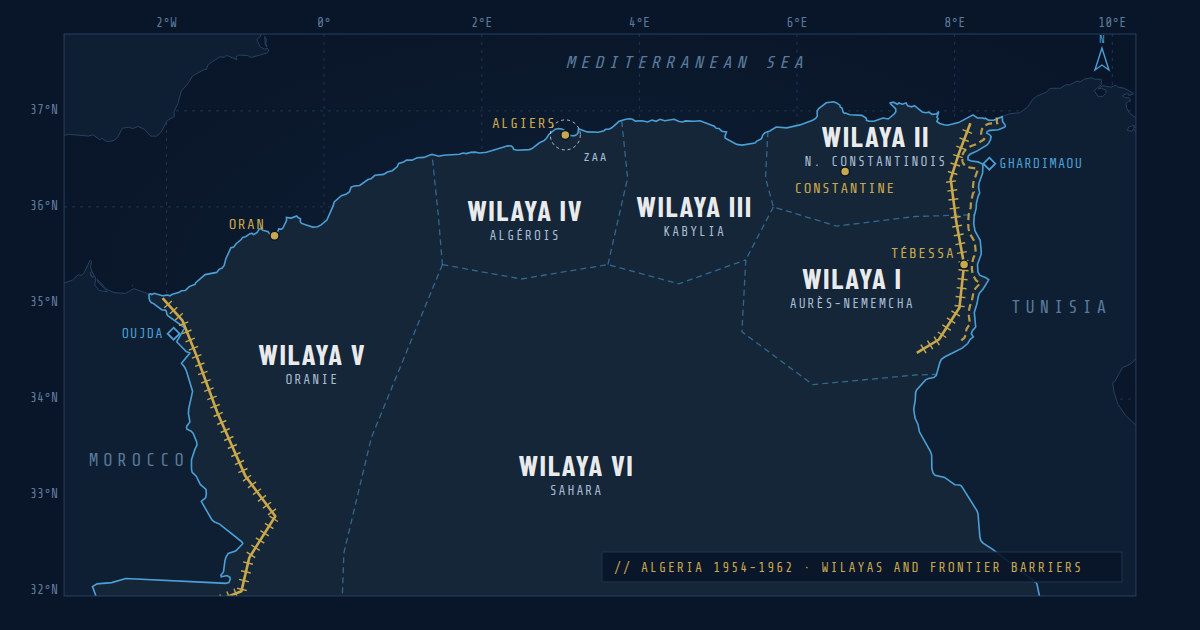
The Algerian war of independence is one of the foundational case studies in the modern irregular warfare literature. The political defeat of metropolitan France by the National Liberation Front (FLN) between November 1, 1954 and the proclamation of Algerian independence on July 5, 1962 is taught as a paradigmatic example of how a militarily weaker…
The Architecture of Entangled War: Karen National Union – Myanmar Military Conflict
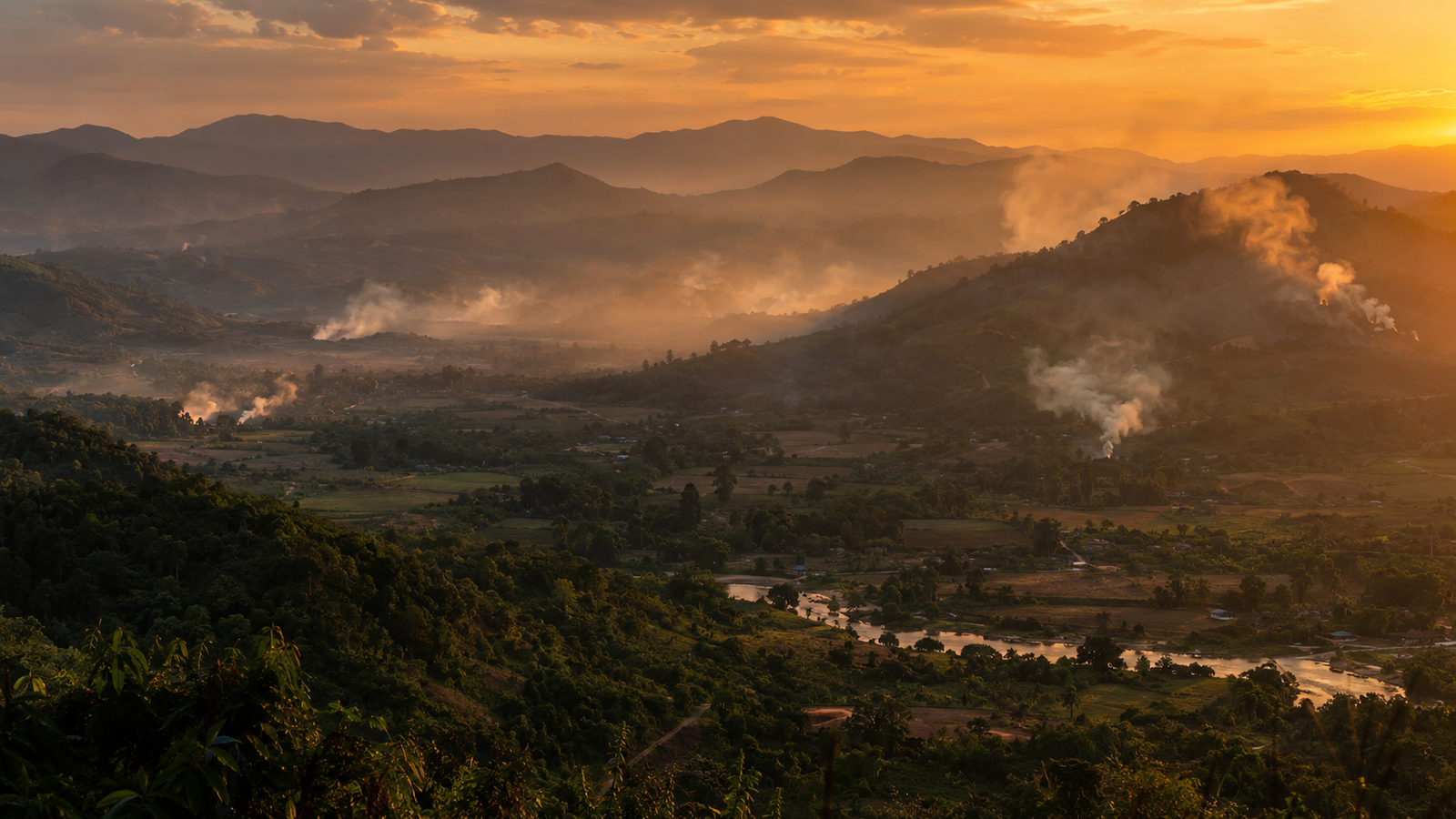
The first mistake in trying to understand the conflict between the Karen National Union (KNU) and the Myanmar military is to treat it as a war that moves toward resolution: an event that begins, escalates, and eventually ends. It is more accurately understood as a system of persistence structured by enduring asymmetry: a configuration of…
Case Study: Sri Lanka
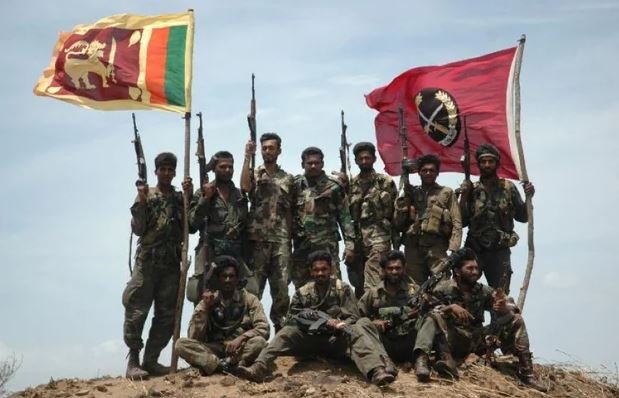
Sri Lanka’s civil war is the rare modern case where a separatist insurgency was brought to a definitive military end. The Liberation Tigers of Tamil Eelam, known internationally as the Tamil Tigers, ran one of the most capable insurgent organizations of the late twentieth century. They fielded a conventional army, a navy, an air wing,…
Case Study: Guatemala
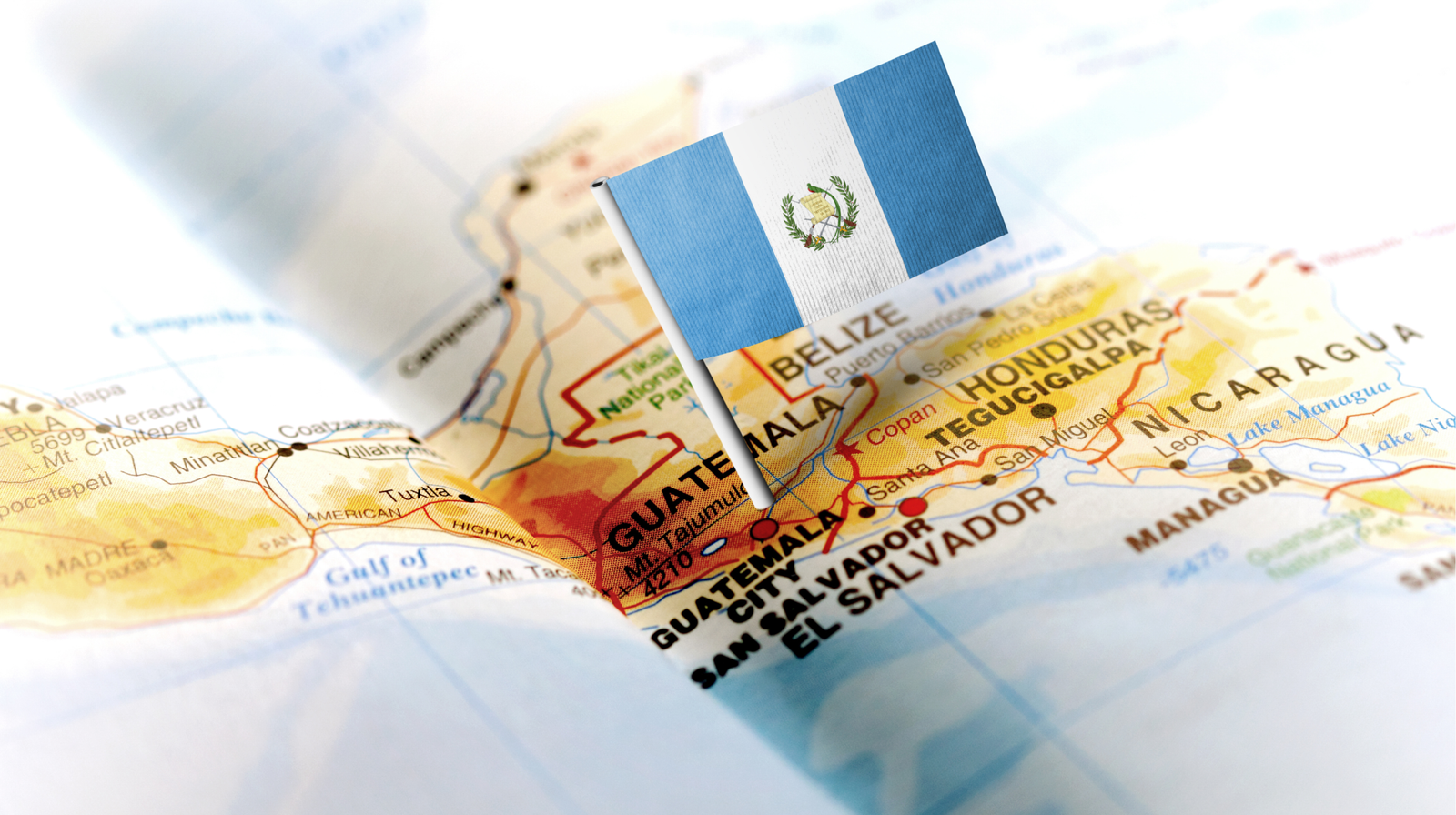
The Guatemalan decade of 1944 to 1954 sits in the small category of cases that the irregular warfare literature returns to over and over: a popular revolution, a reformist civilian government, an agrarian reform law, a foreign-owned corporation as the political fulcrum, and the 1954 Guatemalan coup that ended the experiment. The ARIS case study…
Insurgent Governance and Civil Affairs: The Karen National Union
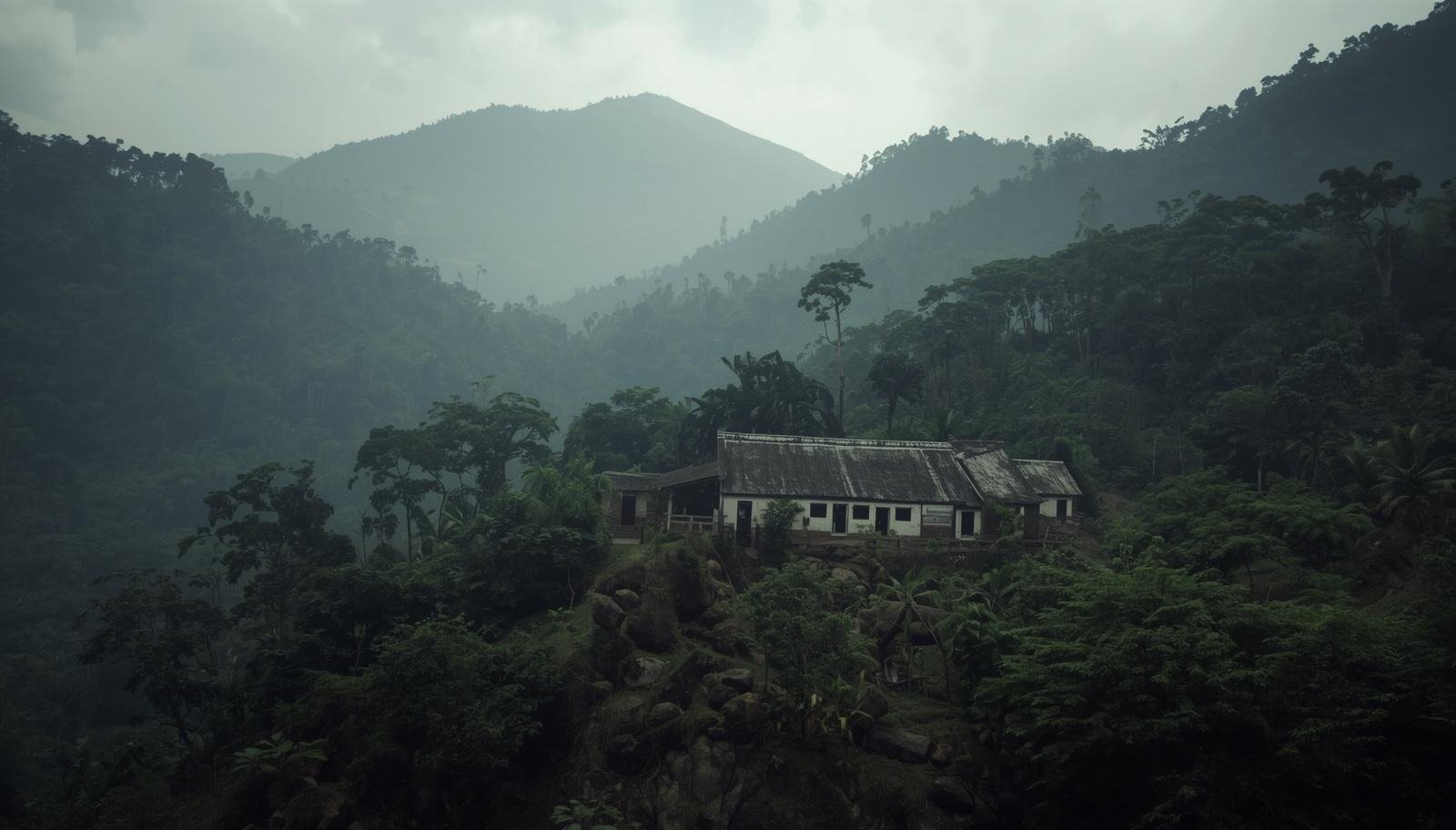
The Karen National Union (KNU) is an ethnic political and insurgent organization operating in southeastern Myanmar that has been engaged in a protracted conflict with the central government since 1949. As the political leadership of the Karen nationalist movement and the governing authority associated with the Karen National Liberation Army, the KNU has historically exercised…
Karen National Union (KNU) Case Study
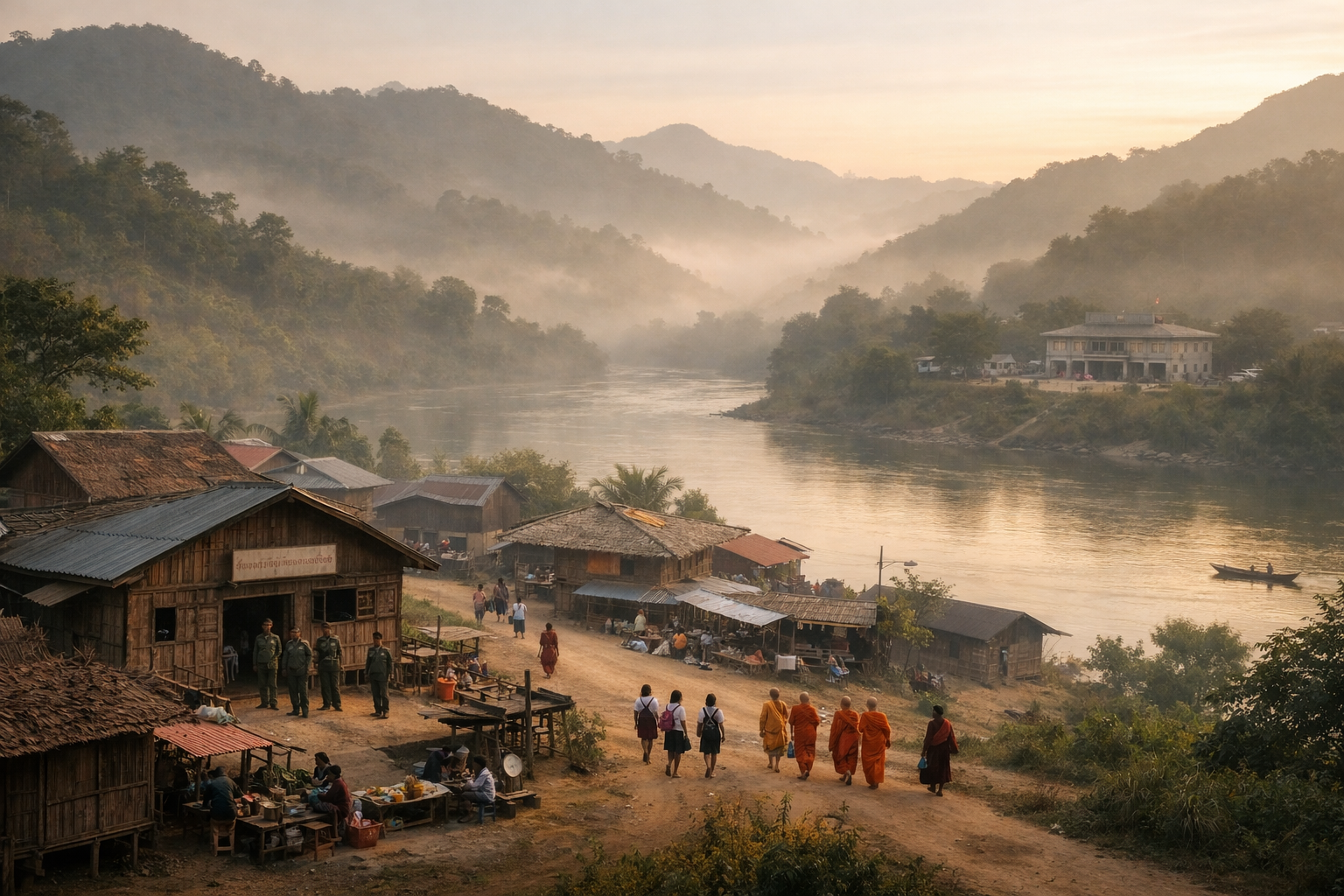
This case study applies the War Marketplace Framework (WMF) across three analytical levels — competition, structure, and strategy — to one of the world’s longest-running insurgencies: the conflict between the Karen National Union (KNU) and the Myanmar state. Rather than treating the Karen war as an ethnic rebellion, a counterinsurgency campaign, or a peripheral civil…
State-Insurgent Strategic Competition Part III
Contributor MOE GYO Moe Gyo is a writer and consultant working with ethnic organizations in Myanmar. Writing from the Thai–Myanmar borderlands, he draws on years of direct engagement with communities shaped by conflict and disrupted health systems. His work captures firsthand how resilience and informal support networks develop under prolonged irregular warfare. His writing has…