
Latest posts
Political Will: The Secret Weapon in Great-Power Competition
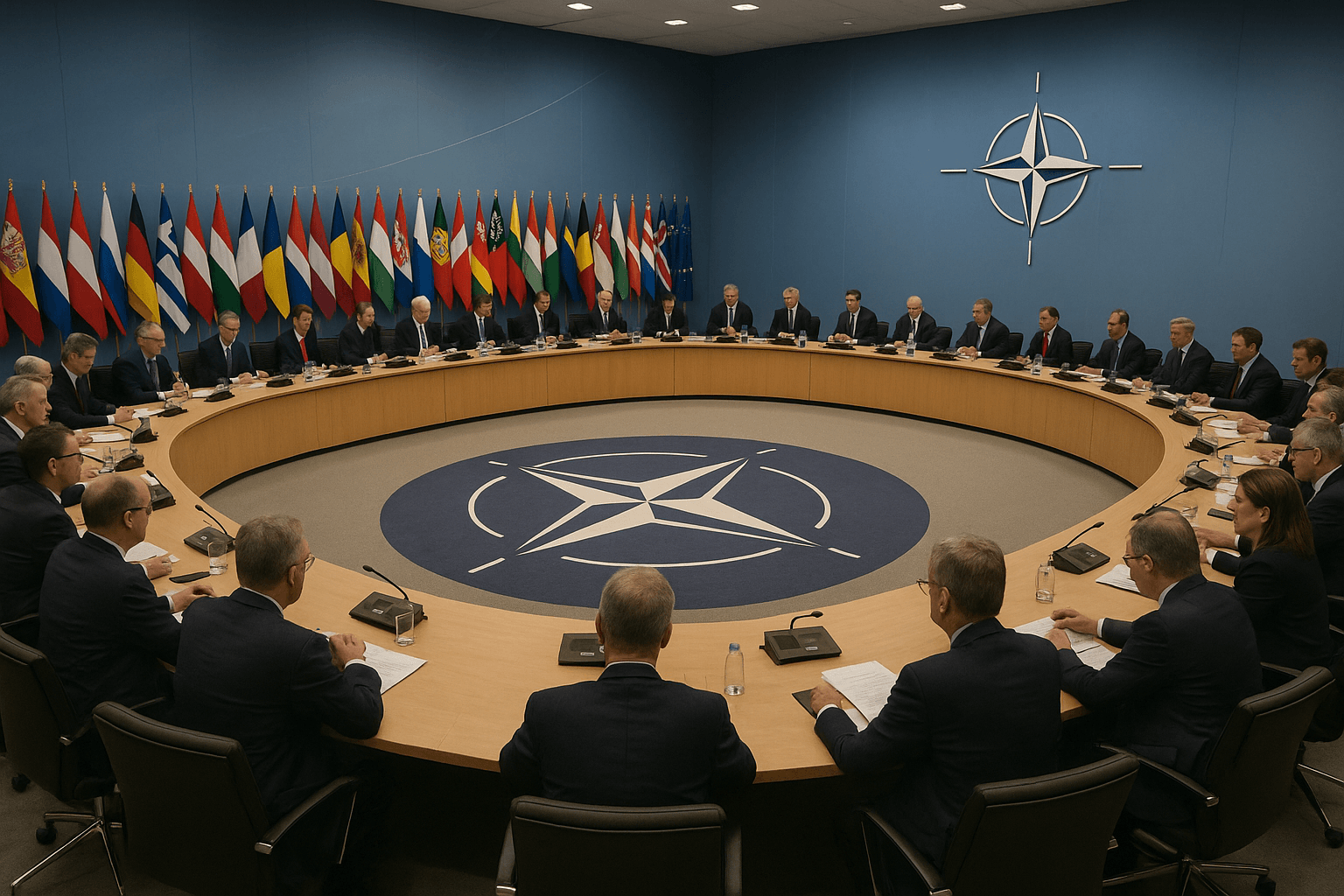
The Fear That Governs Action Nuclear weapons define the outer boundary of great-power conflict, but it is not the warhead that decides whether a fighter jet is shot down or a convoy is struck. It is a matter of political will, the readiness of leaders, parliaments, and alliances to bear the risks of escalation. Capabilities…
Irregular Warfare in the Arctic: Why the High North Matters
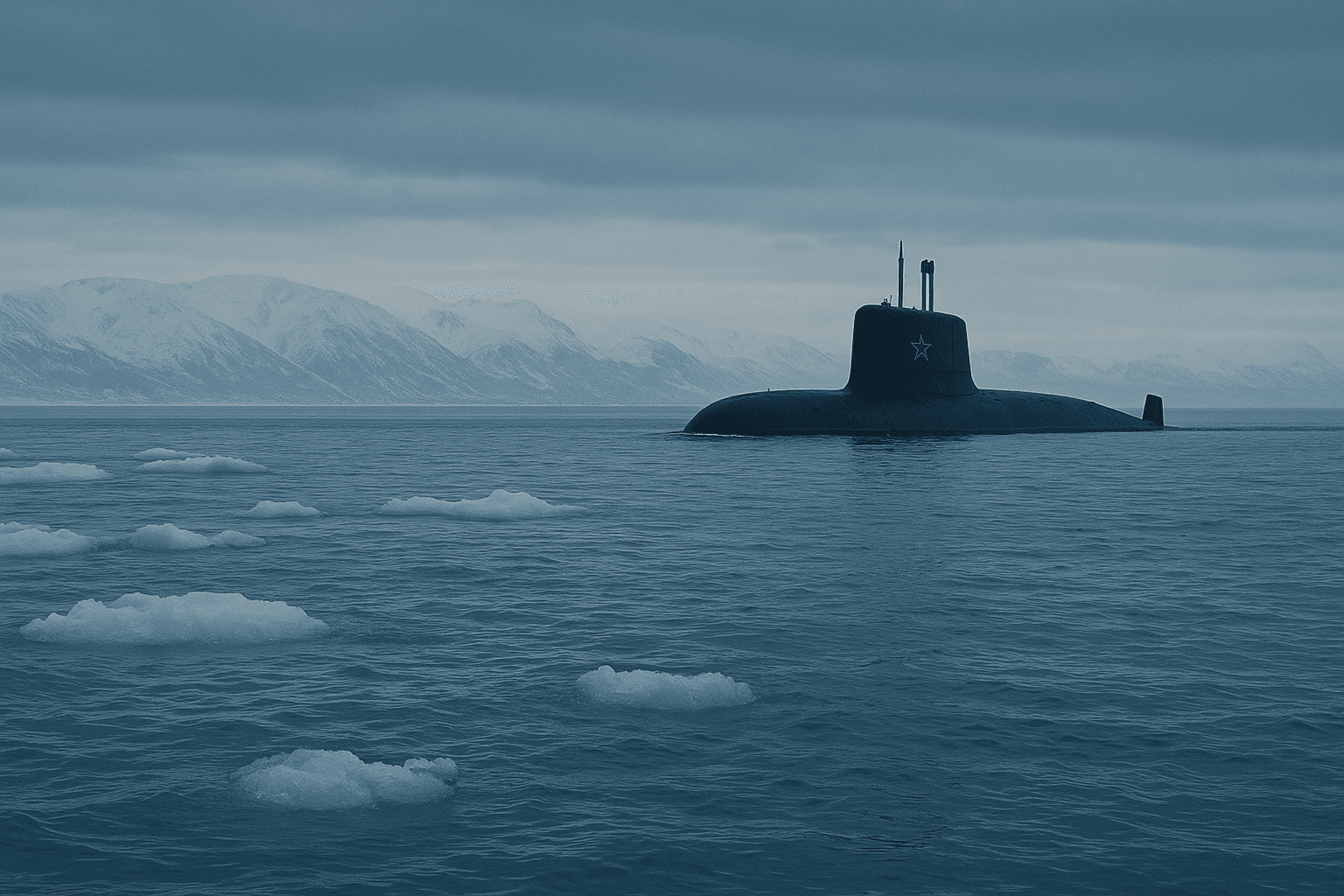
The Arctic was once dismissed as a frozen frontier. For centuries, thick ice and harsh conditions kept the region isolated from global competition. That insulation is disappearing. Climate change has reduced sea ice cover, making the High North more accessible than ever before. New shipping routes such as the Northern Sea Route along Russia’s Siberian…
Rail Signaling Attacks in Finland Reveal a New Front in Hybrid War
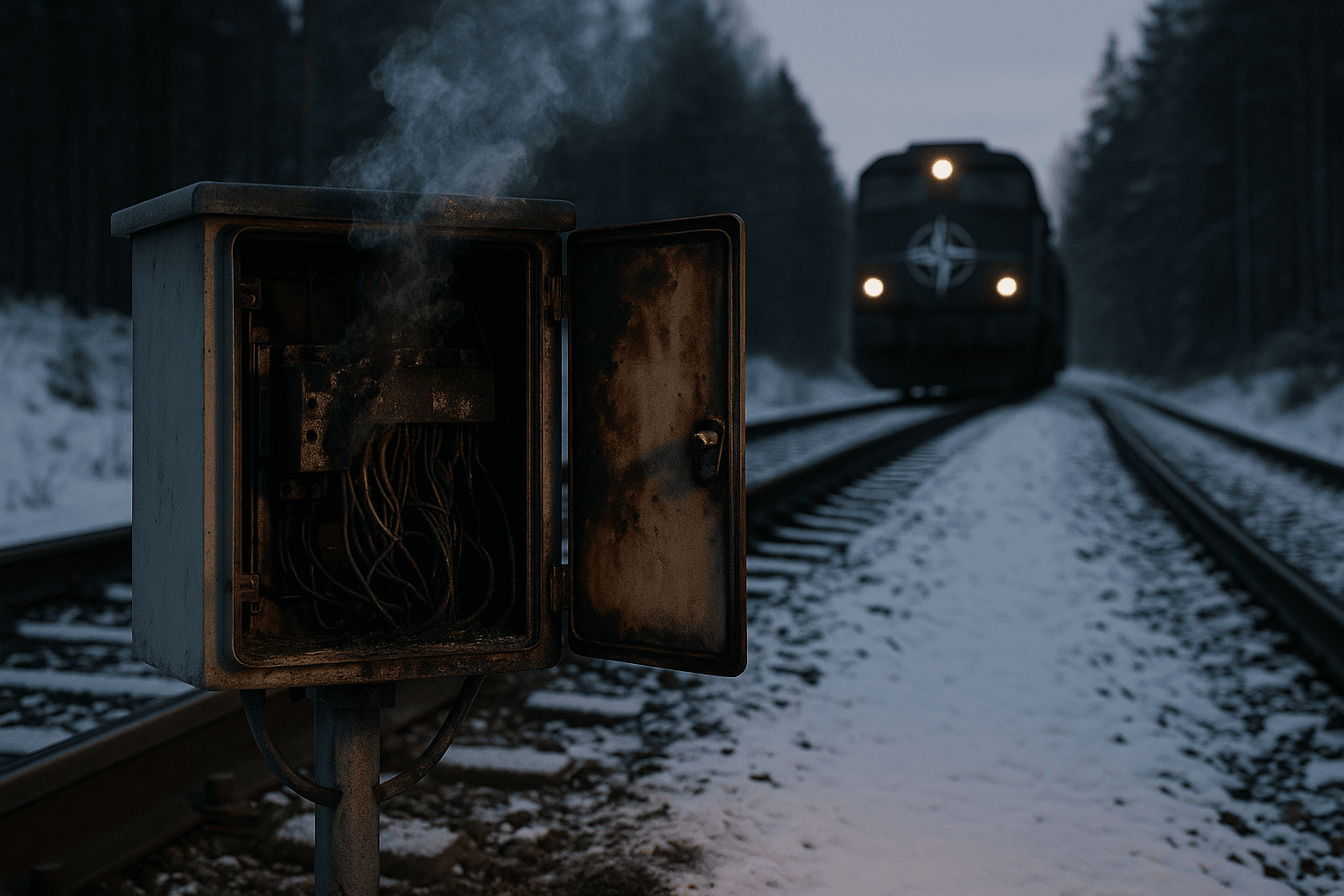
The Hidden War on Infrastructure In early May 2025, Finnish rail authorities reported two suspicious fires targeting rail signaling equipment near Kouvola and Tervola, two critical points in the country’s logistics network. Though initially labeled as isolated acts of vandalism, the events have since raised alarms within Finland’s security circles. Both locations are key junctions…
The Silent Weapon: The Role of Sabotage in Hybrid Warfare Today

In the battles of the 21st century, the frontlines are rarely marked by barbed wire or tank traps. Instead, the decisive blows often land silently, deep inside enemy territory, disrupting logistics, crippling morale, and fracturing trust, all without a single shot fired. This is the domain of sabotage, the quiet engine of hybrid warfare. Where…
Shadow Over the Grid: A Surge of Sabotage in Venezuela’s Electrical Infrastructure
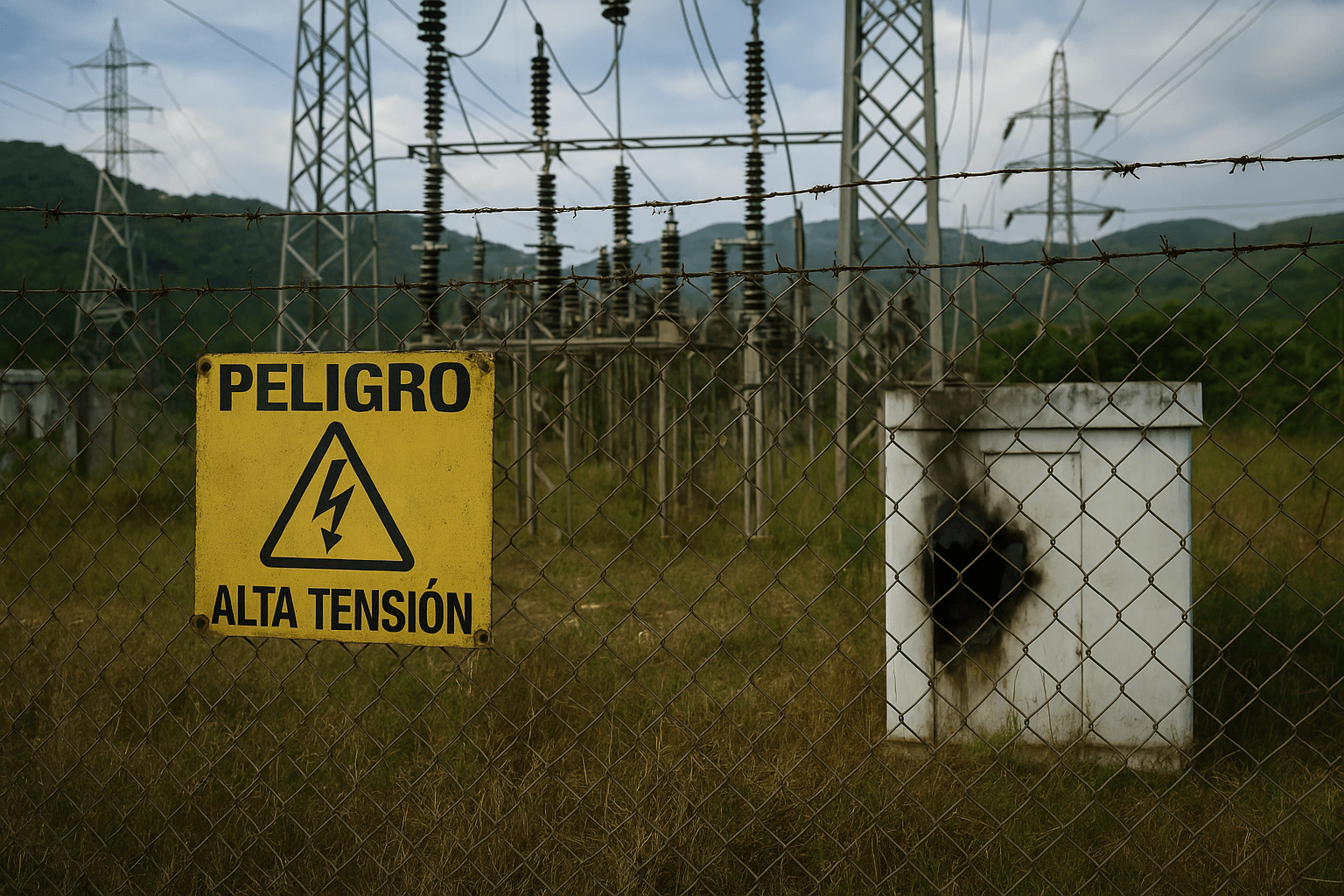
In early April 2025, Venezuelan authorities announced the arrest of three individuals accused of carrying out a “terrorist sabotage” operation against the nation’s electrical grid. The arrests mark the latest in a troubling pattern of attacks on Venezuela’s critical infrastructure. They have reignited a long-running debate about the links between internal dissent, foreign influence, and…
Sabotage in the Shadows: Pipeline Warfare and Resistance in West Africa
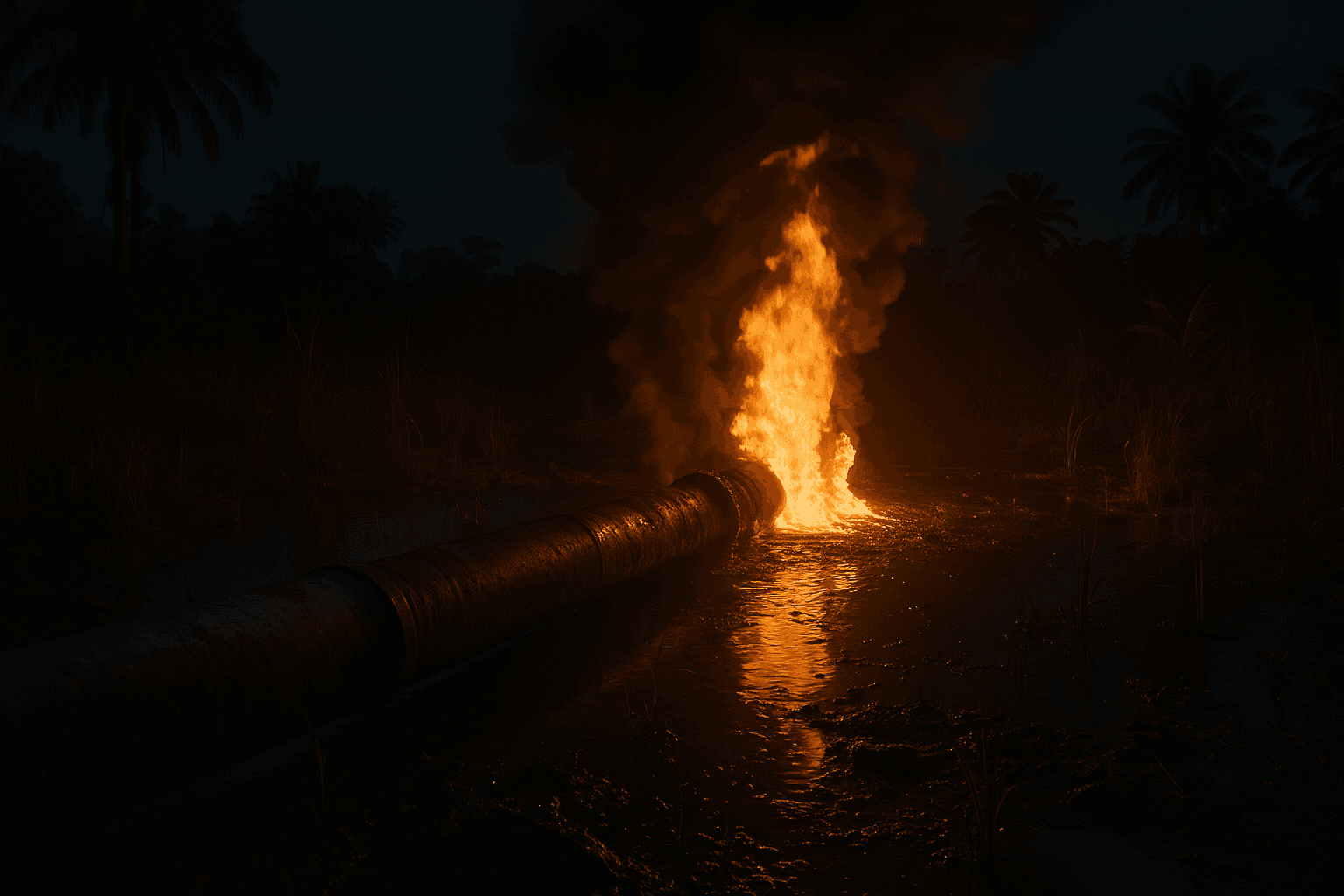
On the muddy creeks of the Niger Delta and far out into the waters of the Gulf of Guinea, an invisible war continues to rage. Pipelines explode in the night. Energy companies scramble to reroute exports. Militants vanish into the mangroves, only to strike again days later. For more than two decades, pipeline sabotage in…
German Warships Targeted: Investigating the Recent Naval Sabotage Incidents

Between January 2025 and February 2026, the German Navy faced a series of alarming sabotage attempts on its vessels. These incidents have raised significant concerns about maritime security in the region. Sabotage has targeted ships under construction and those already in active service, revealing major gaps in naval protection measures. Investigations suggest both state and…
Breaking Free: How the Baltic States Disconnected from Russia’s Power Grid and What It Means for Security
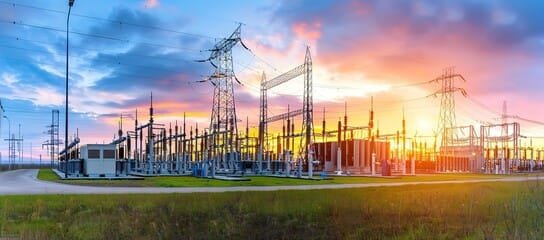
The Baltic disconnection from the BRELL system is best understood as a move in the long contest over critical infrastructure as terrain in hybrid conflict. Severing the physical dependence on Moscow’s grid closed one vulnerability and opened another, since the new interconnectors to the European system run through the same Baltic seabed where undersea cables…